As an Amazon Associate, we earn from qualifying purchases. Some links on this site are affiliate links at no extra cost to you. Our recommendations are based on thorough research and editorial judgment.


Bench Dogs and Holdfasts: Traditional Ways to Secure Work to a Bench

Have you ever found yourself struggling to hold a workpiece steady while you’re trying to make an accurate cut? Yeah, we’ve all been there. That’s where bench dogs and holdfasts come into play; they’re key for keeping things secure on your bench.
You may be interested


You can easily make your own bench dogs from hardwood dowels. Just shape them so they grip better. It’s simple and can save you some cash, plus you get a custom fit.
For holdfasts, try using 3/4-inch holes; they maximize grip really well. Don’t forget to space those holes out correctly—that’s crucial for effective use.
So, why does this matter? Having the right setup can really boost your efficiency and reduce those frustrating moments in your woodworking.
When your work is secure, you can focus on the project, not on fighting to keep everything in place.
Honestly, a little planning goes a long way. The best part is that these adjustments can make your hobby more enjoyable.
If you’re looking for more practical tips and techniques to elevate your woodworking game, keep digging deeper. What will you create with your newly secured setup?
Key Takeaways
- Bench dogs stabilize workpieces during planing, ensuring precision and reducing movement.
- Holdfasts securely clamp wood without damaging the bench surface, allowing for versatile workholding.
- Wooden bench dogs, shaped with notches, can grip irregular pieces effectively during hand tool use.
- Properly spaced 3/4-inch dog holes enhance holdfast grip and minimize slipping during projects.
- Regularly adjusting and experimenting with holdfasts can lead to improved stability and efficiency in woodworking tasks.
The Importance of Bench Dogs and Holdfasts in Woodworking
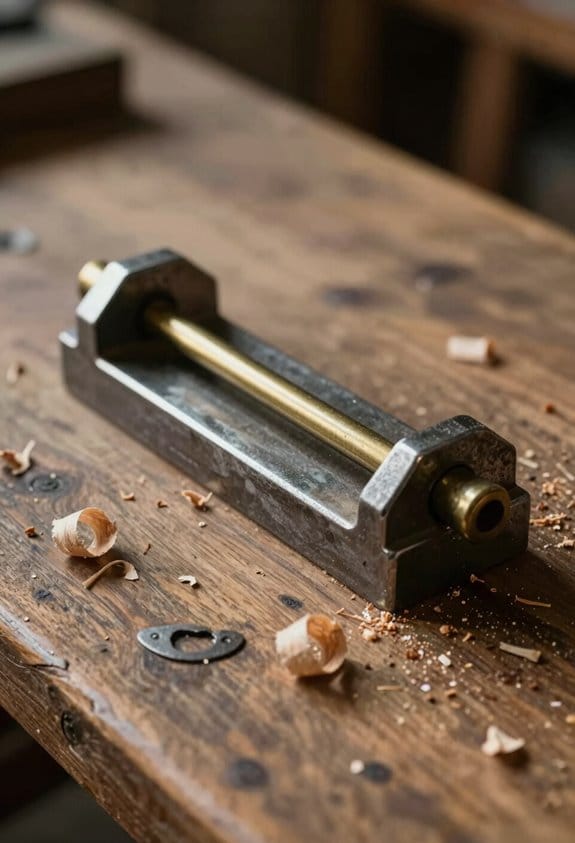
When you’re in the thick of a woodworking project, have you ever found yourself struggling to keep your workpiece steady? That’s where bench dogs and holdfasts come in handy. Bench dogs are key for stabilizing your wood while you’re planing or doing joinery. They help you maintain control so you can get that precision every woodworker dreams of.
Now, holdfasts are another must-have. They give you the ability to clamp down your pieces securely, without damaging the surface of your bench. Imagine making quick adjustments without the hassle of fiddling around. It’s pretty straightforward and saves you time. A tip I can share? Wooden bench dogs made from dowels are a great choice. They’re gentle on your handplane irons, and they don’t break the bank.
Proper spacing of your dog holes is super important too. Getting that right ensures your holdfasts work effectively and minimizes slipping during your tasks. So, why does this matter? The effectiveness of your holdfasts largely depends on your bench’s thickness and material. Sturdy, solid surfaces are the way to go if you want maximum performance out of your tools.
Additionally, integrating bench dogs with additional features in vises like clips and positioning pins can enhance your woodworking setup and provide more versatility.
Wrapping it up, keeping your workpieces steady makes a big difference in your woodworking. What tips do you have for maintaining control during projects?
How to Create Your Own Wooden Bench Dogs
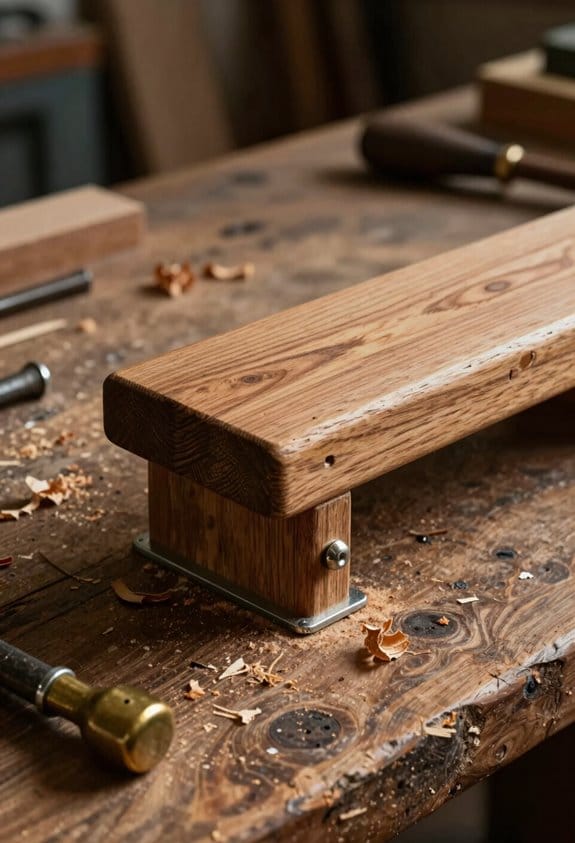
Creating your own wooden bench dogs can really boost your woodworking setup. Have you ever struggled with clamping odd shapes or keeping your workpiece stable? Well, making these handy tools is easier than you think.
Start by heading to your local hardware store and picking up some hardwood dowels. Aim for a length that’s just a bit longer than the thickness of your workbench top—it’ll ensure a snug fit. Now comes the fun part: shaping the bench dogs. Use a chisel to notch them, which improves their grip when you’re working with hand tools. It’s a small detail that makes a big difference.
When it’s time to create holes in your bench, a plunge router does the trick nicely. Try going for round holes; they allow for quicker gripping and more versatility. Speaking of versatility, consider adding triangular notches on your bench dogs. This extra feature helps accommodate those weirdly-shaped workpieces that often come along in any woodworking project.
Make sure to measure your bench dogs carefully using woodworking calipers to ensure precision and a perfect fit. The best part is that these bench dogs will be unique to you and your workflow, making sure you can work effectively and trustably every single time. So, why does all this matter? Because having tools that fit your specific needs can save you a lot of frustration down the line.
What Tools Do You Need to Make Your Own Bench Dogs?
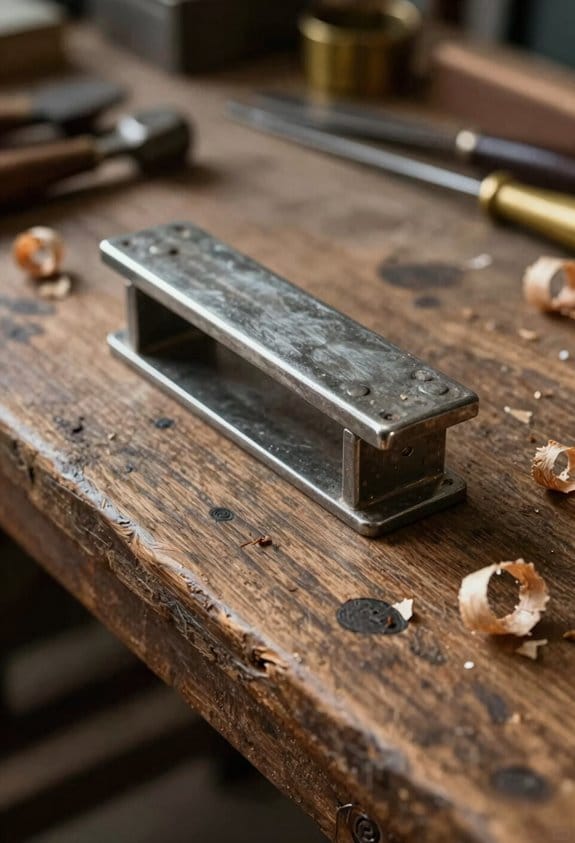
Looking to make your own bench dogs? It might seem daunting at first, but getting the right tools together can really simplify the process. Here’s the scoop: you’ll need some wooden dowels that are cut a bit longer than the thickness of your workbench. This little trick makes it easier when you’re working.
Next up, a Lie-Nielsen Dovetail Saw is your friend for those precise cuts. Want to shape and notch the dowels? A good chisel will come in handy for that. If you want your dog holes to be just right, consider using a plunge router with an adjustable fence, which really helps with consistent placement.
For the initial boring of those holes, you can’t go wrong with a corded hammer drill paired with either an auger bit or spade bits. These tools work best and will ease the job along. And don’t forget about notching the dowels with your chisel; it’s a great way to make sure your bench dogs can grip different workpieces securely. Using a marking gauge can also be very helpful to lay out accurate measurements and ensure consistency when making your bench dogs.
Step-by-Step Guide to Boring Bench Dog Holes
Boring bench dog holes can really transform your woodworking experience, but it can feel a bit daunting at first. Have you ever struggled with clamping your workpieces effectively? Getting the spacing and alignment of holes just right is crucial, and using a plunge router with an adjustable fence will help you achieve that precision you need.
Start by using a 3/4 inch spiral up-cut bit for the initial hole. This bit creates a snug fit for your bench dogs, maximizing their holding power. Don’t rush it—take your time and adjust your setup to ensure everything lines up perfectly. After you’ve drilled through, finish up with a spade bit for those clean edges you want. Just keep an eye on how the bit emerges from the wood to avoid those annoying blow-outs.
Here’s the trick: consider drilling through a wood strip beneath the holes. This simple step not only strengthens those high-use areas but also makes replacements a whole lot easier when the time comes. Honestly, reinforcing your workbench design like this can really improve its durability over the long haul. For increased convenience and efficiency, integrating your bench with power outlets can enhance your overall woodworking setup.
How Holdfasts Improve Stability and Efficiency in Woodworking
Have you ever felt frustrated trying to keep your workpiece steady while woodworking? It can be a real challenge, right? That’s where holdfasts come in. They do an amazing job of holding your work tight against the bench, especially when you drill round holes, ideally around 3/4 inch in size. This design is a lifesaver, allowing for quick adjustments and can fit different sizes and shapes of materials without a hitch.
The best part is, lightweight holdfasts mean you can set up quickly and get on with your woodworking tasks more efficiently. If you’re tackling something like morticing, they’re especially handy because they hold your work without leaving marks. So, you can focus on precision.
Want a tip? Thinner bench tops, around 3 inches thick, really improve how holdfasts grip. With the right setup, you’ll get maximum hold, turning your projects into smooth, hassle-free experiences. Honestly, there’s nothing quite like getting lost in a project without any distractions from your tools!
To wrap it up, holdfasts are a practical and straightforward tool that can truly enhance your woodworking experience. Many woodworking enthusiasts pair holdfasts with versatile layout tools to ensure precise cuts and measurements. Have you tried them yet?
Tips for Optimizing Holdfast Use in Your Workbench
Ever struggled with your workpieces slipping around while you’re trying to get that perfect cut? If so, optimizing your holdfasts can make a world of difference. The first step is making sure you’re working with round holes that are about 3/4 inch in diameter. This size really helps to ensure a good grip. Also, if your bench top is thinner—preferably under 3 inches—you’ll find it’s much easier to secure your projects.
Have you ever thought about adding extra dog holes? It may sound simple, but doing so can boost the stability of your bench and let you handle workpieces of different thicknesses with ease. Plus, consider sticking some suede on the contact surfaces of your holdfasts. It can significantly improve their grip.
Now, here’s a common mistake: over-tightening your holdfasts. It’s tempting to crank it down to get a secure hold, but too much force can actually make things worse by causing it to pivot. Instead, focus on tightening them just enough to hold your piece firmly in place. Remember, getting everything perfect right away isn’t the point. Rather, think of it as a process. Adjusting the depth of your holes and their positions as you work can lead to much better results.
Ultimately, with a little thought and experimentation, you’ll find your set-up improves dramatically. So, why not give it a try? What adjustments will you make to get the most out of your portable sharpening stones?
Troubleshooting Bench Dogs and Holdfasts
Ever had trouble with your bench dogs or holdfasts? It can be really frustrating when they don’t work as expected. First things first, check the fit of your bench dogs. They should slide snugly into those 3/4-inch round dog holes. If you’re working with square holes, that could be a big part of your holdfast issues.
Now, let’s talk about your workbench top. Ideally, keep it under 3 inches thick for optimal hold. Thicker tops can complicate things. Here’s a tip: Adding hardwood blocks around the dog holes can really boost durability and help those holdfasts grip better. Also, consider adding multiple dog holes. This little tweak can seriously enhance your flexibility for tasks like planing or sanding.
If you’re still having trouble with those holdfasts not gripping, give beveling the edges of your dog holes a shot. It can make a real difference by providing a more secure grip and reducing the chances of splits in those thicker benches.
Staying on top of these adjustments can really keep your work secure and efficient. For precise measurements when drilling or positioning these fixes, using tools with high measurement accuracy can ensure your modifications are spot on.
So, have you thought about how these little fixes could save you time and hassle? Give them a try and see how it goes!
Alternative Techniques for Secure Workholding Beyond Holdfasts
Struggling with how to hold your workpieces steady while woodworking? It can be a hassle, but there are several techniques beyond just using holdfasts that can really support your projects.
Wooden bench dogs are a fantastic tool. They sit snugly in your bench and help stabilize your pieces between the tail vise and the work surface, making those tricky tasks, like planing and joinery, a lot easier. You might also want to consider making homemade jigs from scrap materials. This gives you flexible and adjustable support for all sorts of workpiece sizes and shapes.
Clamps are another great option. They can act as effective planing stops, ensuring your boards stay in place while you’re shaping them. And don’t overlook angled stops or battens; they offer extra grip against any sideways forces that could cause slips. Here’s a tip: a good setup of well-spaced dog holes and wedges can really enhance stability and allow for quick adjustments.
For added safety and precision when cutting held pieces, consider using tools with ergonomic handles to reduce hand fatigue and improve control.
Frequently Asked Questions
How Do Bench Holdfasts Work?
Imagine gripping our workpiece, feeling secure. Holdfasts lock in place, boosting bench stability. These essential woodworking techniques, rooted in historical significance, elevate our craftsmanship across materials, enhancing our bench design for effective workpiece clamping.
How Do Dog Holes Work on a Workbench?
Dog holes enhance our workbench design by providing efficient clamping methods for various projects. Their strategic spacing maximizes project efficiency while considering material factors, making them essential woodworking accessories for versatile and secure work setups.
How to Stabilize a Bench?
To stabilize our bench, we must focus on effective anchoring, incorporating solid surface materials and improving bench design. Employing workholding techniques like clamps and considering vibration reduction can greatly enhance our woodworking methods.
Where to Put Bench Dog Holes?
For optimal bench dog placement, we should consider ideal spacing of 4-6 inches, use 3/4 inch holes, and account for workbench thickness. Custom configurations enhance versatility, while alignment techniques improve overall workholding effectiveness.


