As an Amazon Associate, we earn from qualifying purchases. Some links on this site are affiliate links at no extra cost to you. Our recommendations are based on thorough research and editorial judgment.

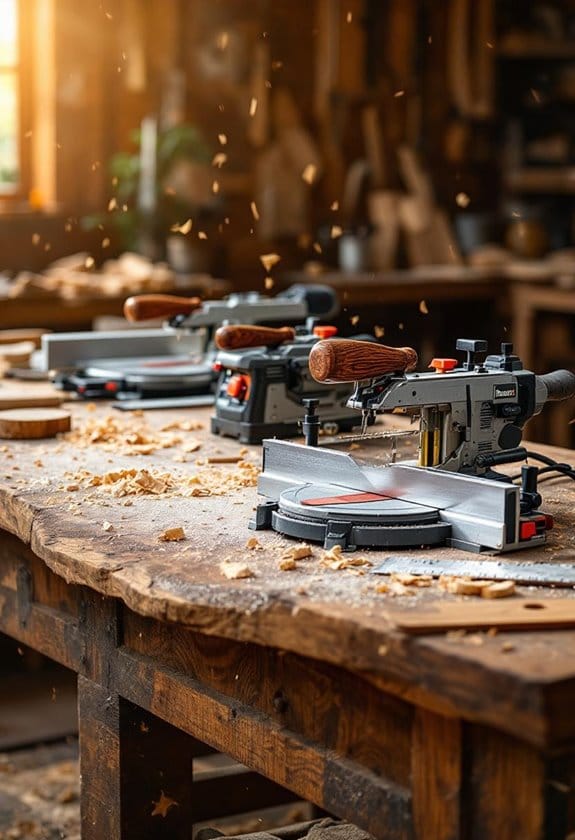
10 Best Panel Saws That Every Woodworker Should Consider

When choosing a panel saw, consider options like the 22″ Robert Sorby PS2210 for precision or the lightweight CROWN 189 with 10 TPI for easier handling. The Japanese Mini Dozuki offers fine cuts with its pull technique, while the KAKURI Azebiki is perfect for tight spaces. For durability, try the IRWIN Tools MARATHON with a lifetime warranty or the PAX range for handcrafted quality. Each saw has unique features that suit different tasks—let’s explore them further.
Key Takeaways
- Look for panel saws with high-quality blade materials like alloy spring steel or high carbon steel for durability and performance.
- Consider the Teeth Per Inch (TPI) that suits the cutting needs; higher TPI offers smoother finishes while lower TPI allows for faster cuts.
- Lightweight and well-balanced designs enhance user comfort, reducing fatigue during extended use while ensuring stable, accurate cuts.
- Ergonomic handles improve grip and comfort, contributing to better posture and reduced strain during woodworking tasks.
- Regular maintenance, including sharpening and cleaning, is essential for optimal performance and longevity of the panel saw.
| Robert Sorby PS2210 22″ Traditional Panel Saw | 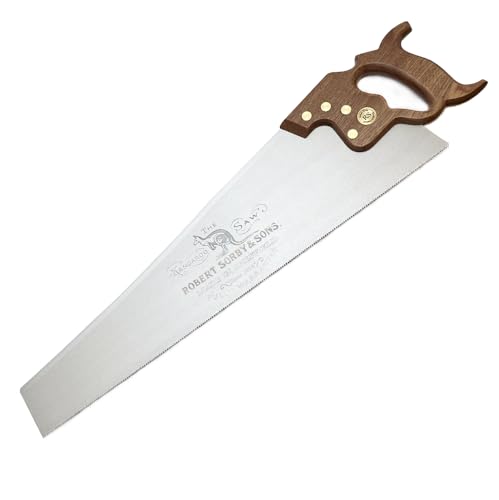 | Best Traditional Design | Type: Panel Saw | Blade Material: Alloy spring steel | Teeth Per Inch (TPI): 10 TPI | VIEW LATEST PRICE | Read Our Analysis |
| Japanese Mini Dozuki Panel Saw by Rockler | 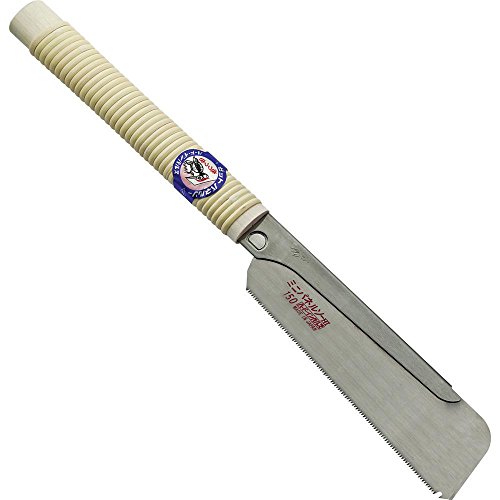 | Best Precision Cuts | Type: Mini Dozuki Panel Saw | Blade Material: High Speed Steel | Teeth Per Inch (TPI): Not provided (Pitch: 1.41mm; equivalent to TPI = approx. 18) | VIEW LATEST PRICE | Read Our Analysis |
| CROWN 189 22-Inch Panel Saw with 10 TPI |  | Best Budget Option | Type: Panel Saw | Blade Material: High carbon steel | Teeth Per Inch (TPI): 10 TPI | VIEW LATEST PRICE | Read Our Analysis |
| KAKURI Azebiki Japanese Pull Saw (3.5″) |  | Best Specialty Tool | Type: Azebiki Saw | Blade Material: High carbon steel | Teeth Per Inch (TPI): Rip 7.3, Cross 15.3 | VIEW LATEST PRICE | Read Our Analysis |
| IRWIN Tools MARATHON 2011202 24-inch ProTouch Fine Cut Saw (2011202) | 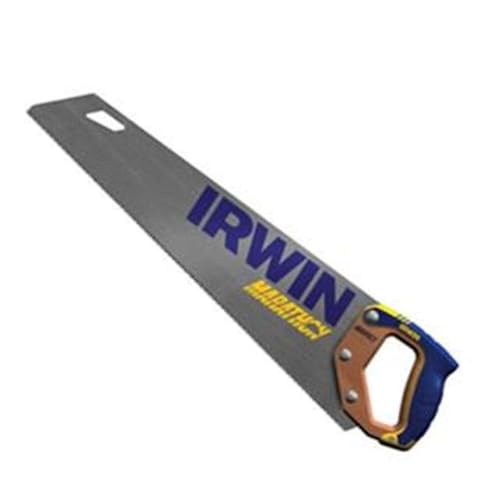 | Best Ergonomic Handle | Type: ProTouch Fine Cut Saw | Blade Material: High Speed Steel | Teeth Per Inch (TPI): 12 TPI | VIEW LATEST PRICE | Read Our Analysis |
| PAX 26” Hand Saw with Taper Ground Blade | 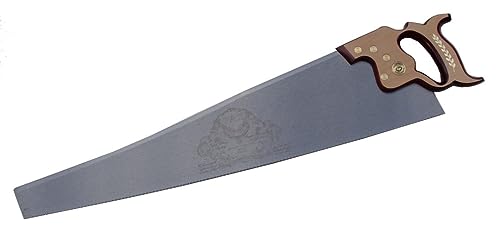 | Best Handcrafted Quality | Type: Panel Crosscut Hand Saw | Blade Material: Alloy spring steel | Teeth Per Inch (TPI): 10 TPI | VIEW LATEST PRICE | Read Our Analysis |
| Spear & Jackson Saw Skew Back 22 inch x 10 ppi | 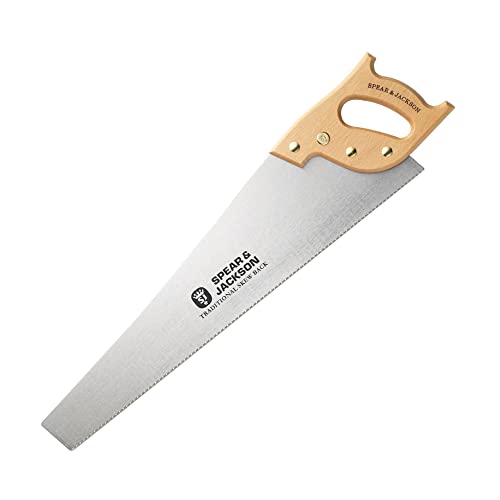 | Best General Use | Type: Skew Back Saw | Blade Material: Carbon Steel | Teeth Per Inch (TPI): 10 PPI (equivalent to TPI) | VIEW LATEST PRICE | Read Our Analysis |
| Goldblatt Folding Jab Saw with Soft Grip Handle | 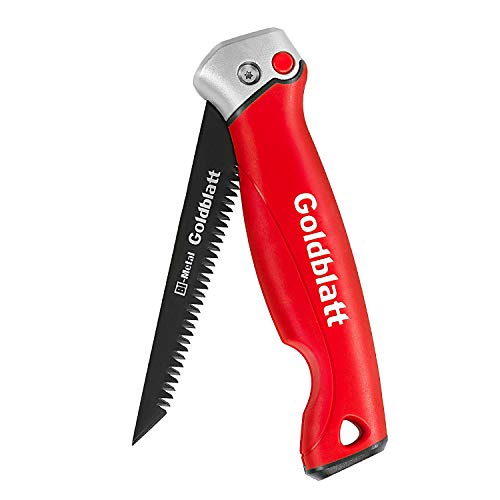 | Most Portable | Type: Jab Saw | Blade Material: D6A+M2 Steel | Teeth Per Inch (TPI): 8 TPI | VIEW LATEST PRICE | Read Our Analysis |
| PAX 20” Rip Hand Saw with Taper Ground Blade |  | Best Rip Cuts | Type: Rip Hand Saw | Blade Material: Alloy spring steel | Teeth Per Inch (TPI): 4.5 TPI | VIEW LATEST PRICE | Read Our Analysis |
| PAX 20” Panel Crosscut Hand Saw | 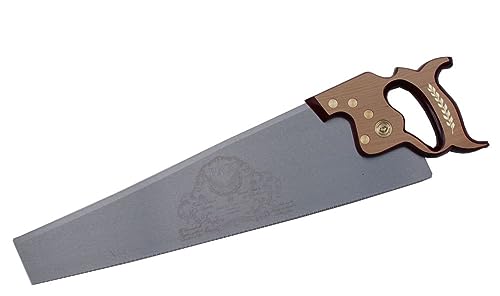 | Best Crosscut Performance | Type: Panel Crosscut Hand Saw | Blade Material: Alloy spring steel | Teeth Per Inch (TPI): 10 TPI | VIEW LATEST PRICE | Read Our Analysis |
You may be interested


More Details on Our Top Picks
Robert Sorby PS2210 22″ Traditional Panel Saw
If you’re a woodworker looking for a reliable tool, the Robert Sorby PS2210 22″ Traditional Panel Saw is worth considering. This panel saw features a 22-inch blade made of alloy spring steel, ensuring durability and effective cutting. Its handle, crafted from sapele, offers comfort and control while you’re working. With 10 teeth per inch, this saw cuts straight lines with ease. Plus, it boasts beautiful brass-plated screws and a medallion for added elegance. Remember, the blade is hand sharpened, allowing you to refresh its edge when needed. Don’t underestimate this reliable saw—it can be a game-changer for your projects.
- Type:Panel Saw
- Blade Material:Alloy spring steel
- Teeth Per Inch (TPI):10 TPI
- Handle Material:Sapele
- Resharpenable:Yes
- Country of Manufacture:Not specified
- Additional Feature:Brass-plated decorative elements
- Additional Feature:Hand sharpened blade
- Additional Feature:Kangaroo logo laser marking
Japanese Mini Dozuki Panel Saw by Rockler
The Japanese Mini Dozuki Panel Saw by Rockler is perfect for woodworkers who need precision in tight spaces. With a 150mm blade size, this universal saw excels at horizontal cuts. The pull-cutting technique lets you achieve finer strokes with less effort, thanks to its thin blade. Its back reinforcement limits cutting depth, making it ideal for delicate tasks. The blade’s pitch of 1.41mm and thickness of 0.30mm guarantee a clean cut with a kerf of just 0.49mm. Plus, the high-speed steel construction offers durability. Easily change the handles for added convenience. Grab one, and see your accuracy elevate!
- Type:Mini Dozuki Panel Saw
- Blade Material:High Speed Steel
- Teeth Per Inch (TPI):Not provided (Pitch: 1.41mm; equivalent to TPI = approx. 18)
- Handle Material:Easily changeable handles
- Resharpenable:Not specified
- Country of Manufacture:Not specified
- Additional Feature:Pull-cutting technique
- Additional Feature:Easily changeable handles
- Additional Feature:High-speed steel blade
CROWN 189 22-Inch Panel Saw with 10 TPI
Looking for a reliable panel saw? The CROWN 189 22-Inch Panel Saw boasts a 10 TPI configuration, perfect for efficient, precise cuts. Its high carbon steel blade is resharpenable, ensuring longevity in your woodworking projects. Weighing only 1.55 pounds, it’s lightweight and easy to handle. The stained beech handle is both comfortable and secure for extended use. Measuring 26.4 x 6 x 1.2 inches, it fits nicely in your toolkit. Plus, you get a 30-day return guarantee from Amazon, so you can test it worry-free. This saw’s combination of sharpness and design makes it a solid choice for any woodworker.
- Type:Panel Saw
- Blade Material:High carbon steel
- Teeth Per Inch (TPI):10 TPI
- Handle Material:Stained beech
- Resharpenable:Yes
- Country of Manufacture:England
- Additional Feature:Stained beech handle
- Additional Feature:Bare tool design
- Additional Feature:30-Day Return Guarantee
KAKURI Azebiki Japanese Pull Saw (3.5″)
For woodworkers seeking precision in tight spaces, the KAKURI Azebiki Japanese Pull Saw (3.5″) stands out as an essential tool. This traditional Azebiki saw is perfect for cutting mortises, sliding dovetails, and narrow grooves in wood panels. Its unique short, curved blade allows for plunge-cutting directly into flat surfaces, offering efficiency in tight corners. With a double-edged Ryoba blade, one edge is for rip cuts while the other handles crosscuts. Weighing only 2.5 oz, it’s easy to maneuver. Plus, the cane-wrapped handle provides a comfortable grip. If you need precise cuts in confined areas, this saw is a top choice.
- Type:Azebiki Saw
- Blade Material:High carbon steel
- Teeth Per Inch (TPI):Rip 7.3, Cross 15.3
- Handle Material:Cane-wrapped
- Resharpenable:Yes
- Country of Manufacture:Japan
- Additional Feature:Curved blade design
- Additional Feature:Ryoba-style double-edged blade
- Additional Feature:Cane-wrapped handle
IRWIN Tools MARATHON 2011202 24-inch ProTouch Fine Cut Saw (2011202)
If fine woodworking is your craft, the IRWIN Tools MARATHON 2011202 24-inch ProTouch Fine Cut Saw is a tool you’ll appreciate. This lightweight saw weighs just 1 pound, making it easy to handle during long projects. With a 24-inch blade and 12 advanced teeth, it cuts smoothly and efficiently through wood. The ergonomic hardwood handle features a rubberized grip for comfort, letting you maintain control as you work. Equipped with a tapered-pitch nose for better clearance, it’s perfect for those detailed cuts. Plus, the lifetime warranty guarantees you can trust in its durability. Get ready to enhance your woodworking!
- Type:ProTouch Fine Cut Saw
- Blade Material:High Speed Steel
- Teeth Per Inch (TPI):12 TPI
- Handle Material:Hardwood with ProTouch rubberized grip
- Resharpenable:Yes
- Country of Manufacture:Not specified
- Additional Feature:M2 advanced tooth geometry
- Additional Feature:Tapered-pitch nose design
- Additional Feature:Ergonomic ProTouch grip
PAX 26” Hand Saw with Taper Ground Blade
The PAX 26” Hand Saw with a taper ground blade is an ideal choice for woodworkers focused on precision and a smooth finish. With a blade length of 26 inches and 10 teeth per inch, it excels at crosscutting. The alloy spring steel construction reduces friction thanks to its taper ground design. Plus, the curved tooth line minimizes binding, making your cuts smoother. The handle, crafted from high-quality steamed beech, adds comfort and control. Handcrafted in Sheffield, this saw maintains PAX’s traditional quality standards. Take it for a spin, and you’ll appreciate the fine finish it delivers on every project.
- Type:Panel Crosscut Hand Saw
- Blade Material:Alloy spring steel
- Teeth Per Inch (TPI):10 TPI
- Handle Material:Steamed beech
- Resharpenable:Yes
- Country of Manufacture:England
- Additional Feature:Curved tooth line
- Additional Feature:Handcrafted in small shop
- Additional Feature:Precise hand sharpening
Spear & Jackson Saw Skew Back 22 inch x 10 ppi
When you need a reliable panel saw, the Spear & Jackson Saw Skew Back 22 inch x 10 ppi stands out for woodworkers looking for versatility and efficiency. Its 22-inch carbon steel blade is both durable and designed for balance, reducing friction. With a skew back design, you’ll enjoy smoother cuts without the hassle. The universal teeth let you cut along and across the grain in various materials like timber and plywood. Plus, its precision cross ground teeth can be resharpened, making this saw a long-lasting choice. Best of all, you control the power with manual operation—perfect for detailed tasks.
- Type:Skew Back Saw
- Blade Material:Carbon Steel
- Teeth Per Inch (TPI):10 PPI (equivalent to TPI)
- Handle Material:Not specified
- Resharpenable:Yes
- Country of Manufacture:Not specified
- Additional Feature:Skew back design
- Additional Feature:Universal teeth configuration
- Additional Feature:Precision cross ground teeth
Goldblatt Folding Jab Saw with Soft Grip Handle
You’ll appreciate the Goldblatt Folding Jab Saw with Soft Grip Handle, especially if you’re a DIY enthusiast or a woodworking professional in need of a reliable cutting tool. Measuring 11-3/4 inches in total length, this saw features a 5-inch sharp blade made from high-quality D6A+M2 steel. The precision triple-ground teeth help you cut smoothly and quickly through drywall and plywood. Its ergonomic handle fits most hand sizes and reduces fatigue. Plus, the foldable design makes it portable and easy to store. With a lifetime warranty, it’s a tool you can depend on for years to come.
- Type:Jab Saw
- Blade Material:D6A+M2 Steel
- Teeth Per Inch (TPI):8 TPI
- Handle Material:Anti-slip super grip
- Resharpenable:Yes
- Country of Manufacture:Not specified
- Additional Feature:Foldable compact design
- Additional Feature:Precision triple-ground teeth
- Additional Feature:Secure lock system
PAX 20” Rip Hand Saw with Taper Ground Blade
For woodworkers who demand precision and durability, the PAX 20” Rip Hand Saw is an exceptional choice. Handcrafted in Sheffield, England, this saw features a 4.5 TPI, ideal for cutting along the grain. Its taper ground blade, with a slightly curved tooth line, reduces friction and enhances cutting efficiency. Made from durable alloy spring steel, it’s built to last a lifetime. The handle, crafted from premium steamed beech wood, boasts a stunning two-tone gloss finish. When you choose the PAX 20”, you’re opting for quality and performance that stands out among other panel saw options.
- Type:Rip Hand Saw
- Blade Material:Alloy spring steel
- Teeth Per Inch (TPI):4.5 TPI
- Handle Material:Steamed beech
- Resharpenable:Yes
- Country of Manufacture:England
- Additional Feature:4.5 TPI for rip cuts
- Additional Feature:Premium steamed beech wood
- Additional Feature:Handcrafted traditional techniques
PAX 20” Panel Crosscut Hand Saw
The PAX 20” Panel Crosscut Hand Saw is a fantastic choice for woodworkers seeking precision with a touch of tradition. With a 10 TPI design, it excels at cutting across the grain, offering cleaner edges. Made from alloy spring steel, this saw features a tapered ground blade that reduces friction and promotes smoother cuts. You’ll appreciate the hand-set and sharpened teeth, which prevent binding during use. The premium steamed beech wood handle not only looks great with its two-tone finish, but it also provides comfort and durability. Invest in this hand-crafted tool—it’s built to last and deliver exceptional performance!
- Type:Panel Crosscut Hand Saw
- Blade Material:Alloy spring steel
- Teeth Per Inch (TPI):10 TPI
- Handle Material:Steamed beech
- Resharpenable:Yes
- Country of Manufacture:England
- Additional Feature:Finer tooth configuration
- Additional Feature:Optimal performance taper ground
- Additional Feature:Two-tone gloss finish
Factors to Consider When Choosing a Panel Saw Hand
When you’re choosing a panel saw hand, consider factors like blade material quality, handle comfort, and teeth per inch. You want a saw that feels balanced and easy to control, so check its weight and how it fits your cutting technique. Making the right choice can seriously upgrade your woodworking game, so pick wisely!
Blade Material Quality
Choosing a panel saw isn’t just about the brand or price; it hinges considerably on the quality of the blade material. A high-speed steel (HSS) blade offers excellent hardness and wear resistance, perfect for those fine cuts you want. If you prefer flexibility, alloy spring steel blades will hold their shape while enhancing your cutting capabilities. Carbon steel blades deliver great sharpness and are easy to sharpen, but they can rust if not maintained. Keep in mind, blade thickness is essential too. Thinner blades offer smoother cuts but might bend more easily in tougher materials. Assess these options carefully to find a panel saw that meets your needs and guarantees superior performance over time.
Handle Comfort Level
A comfortable handle can make a world of difference in your woodworking experience. Look for materials like steamed beech or ergonomic designs – they enhance grip and reduce fatigue. Make sure the handle’s shape and contour fit your hand comfortably; a natural wrist position is essential for control while cutting. Remember, the size and weight should suit your hand, promoting ease of maneuverability and stability. An anti-slip grip can be a game-changer, especially during precision cuts. Finally, choose a handle that allows for a vertically aligned workspace; this helps maintain good posture and reduces strain on your hands and wrists. With these considerations, you’ll be well on your way to a more enjoyable and productive woodworking journey!
Teeth Per Inch
Teeth per inch (TPI) is a key factor to evaluate in your panel saw selection. Higher TPI, like 10 TPI, gives you smoother finishes, ideal for crosscuts. If you’re after speed for rough cuts, a lower TPI will suit your needs better. When working with hardwoods, choosing a saw with the right TPI helps minimize tear-out and guarantees cleaner cuts. For fine materials, go for higher TPI to achieve effective cutting. On the other hand, coarse materials could benefit from a lower TPI. Understanding how TPI affects your cutting performance can guide your decision. So, think about what you’ll cut most often, and select your panel saw accordingly. Happy woodworking!
Cutting Technique Type
When it comes to selecting a panel saw, the cutting technique type plays a significant role in how effectively and precisely you’ll cut your material. You can choose between push saws, which cut on the forward stroke, and pull saws, which cut on the pull stroke. Pull saws, often used by Japanese craftsmen, typically allow for finer cuts with less effort due to their thinner blades. Consider saws with a higher Teeth Per Inch (TPI), like 10 TPI, for smoother finishes on wood. Also, look at the blade’s material; high-speed steel blades last longer and cut more smoothly. Think about your technique, too; manual operation requires different approaches depending on the saw’s design and tooth angle.
Weight and Balance
Choosing the right panel saw involves more than just the blade; weight and balance are critical factors too. A lighter saw is easier to handle during long projects, reducing fatigue. However, heavier saws may provide stability and momentum, which is advantageous for straight cuts.
Balance is key for accuracy. A well-balanced saw minimizes resistance and improves control, which you’ll appreciate when making intricate cuts. You want the center of gravity near the handle; this positioning lets you manage the tool effortlessly. Consider the saw’s design too, including handle placement and blade alignment, as they directly impact your cutting experience. Test a few options to find what feels right for you—after all, comfort can make all the difference in your work!
Maintenance and Sharpening
To keep your panel saw performing at its best, regular maintenance and sharpening are non-negotiable. Hand-sharpened blades, especially those made from alloy spring steel or high carbon steel, can be resharpened multiple times, allowing for extended tool life. Sharpen your blade after every few projects to maintain peak cutting efficiency. Keep the teeth set and properly filed; this prevents binding and guarantees smoother cuts. Also, regularly clean the handle and blade, removing debris to promote smooth operation. Don’t forget to lubricate moving parts to reduce wear over time. Just like a well-oiled machine, a well-maintained panel saw gives you the precision you need for your woodworking projects. Trust me; it’s worth the effort!
Frequently Asked Questions
What Is the Difference Between Pull Saws and Push Saws?
Pull saws cut on the pull stroke, while push saws cut on the push stroke. When you use a pull saw, you’re typically getting better control and cleaner cuts, especially for fine woodworking. Push saws can be more forceful, making them suitable for rough cuts. Generally, pull saws are lighter and easier to maneuver. Choose based on your project needs, but many woodworkers prefer pull saws for their precision. Happy sawing!
How Do I Maintain My Panel Saw for Longevity?
To maintain your panel saw for longevity, clean it after every use. Wipe down the blade to remove dust and resin. Regularly inspect the alignment; adjust if needed to guarantee accurate cuts. Lubricate moving parts with a light machine oil every few months to keep everything running smoothly. Store it in a dry place to prevent rust. With these simple steps, your panel saw will serve you well for years to come!
Are There Saws Specifically Designed for Cutting Hardwood?
Yes, there are saws specifically designed for cutting hardwood. Look for saws with a high tooth count, usually 40 to 60 teeth, which provides cleaner cuts. A carbide-tipped blade works best for durability. Brands like DeWalt or Festool offer excellent options. You can also use a panel saw with an adjustable speed feature, which lets you tailor the cut to different hardwood types. Remember, sharp blades are key to avoid splintering!
How Do I Choose the Right TPI for My Project?
To choose the right tpi (teeth per inch) for your project, consider the material and cutting speed. For hardwood, aim for 6-10 tpi for smoother cuts. If you’re working with softer woods, 10-14 tpi is effective. Finer teeth provide cleaner cuts but may take longer. For thicker materials, opt for lower tpi. Keep in mind, a balance between speed and finish usually leads to the best result—so don’t rush the cut!
Can Panel Saws Be Used for Both Crosscuts and Rip Cuts?
Yes, panel saws can handle both crosscuts and rip cuts. For crosscuts, use a blade with 60 to 80 teeth for smoother cuts. When ripping, a lower tooth count, around 24 to 30, works best to efficiently remove material. Confirm your saw’s settings match the cut type, adjusting the fence as needed. With practice, you’ll have clean edges for all your projects. Just remember, right blade, right cut—it’s a game changer!


