As an Amazon Associate, we earn from qualifying purchases. Some links on this site are affiliate links at no extra cost to you. Our recommendations are based on thorough research and editorial judgment.


Handle Shapes: Octagonal vs. Round Handles and Anti-Roll Designs

When you’re trying to decide between octagonal and round handles, comfort and grip are key. Octagonal handles are great for stability and give you precise control, which really shines during detailed tasks. On the other hand, round handles feel nice in your hand, but they might not provide the best grip when you’re doing intricate cuts. So, what should you choose?
You may be interested


One thing to keep in mind is that anti-roll designs really enhance safety. These designs help prevent your tools from rolling off surfaces, which can save you from accidents and damage. Imagine working on a project and your tool rolling off the table. Honestly, that’s a frustrating moment no one wants.
When picking your handle shape, consider what feels right for you and what you’ll be using it for. Some folks prefer the control of octagonal shapes, especially when precision is critical. Others may lean towards the comfort of round handles for general use.
The best part is that it all boils down to your personal preference and the tasks at hand. In wrapping this up, think about what suits your style and needs best.
So, next time you’re browsing for tools, ask yourself—what kind of handle would make my work easier?
Key Takeaways
- Octagonal handles provide superior grip stability and comfort, making them ideal for precise adjustments and prolonged use.
- Round handles offer a classic, cozy grip, preferred for basic cutting tasks but may lack precision compared to octagonal designs.
- Hybrid handles combine ergonomic comfort with traditional aesthetics, catering to users seeking a balance between modern and classic design.
- Anti-roll designs enhance tool stability, preventing tools from rolling off surfaces and improving overall user safety during various tasks.
- Material choices like ashwood and hickory can significantly enhance grip security, reducing user fatigue during extended tool use.
Which Handle Shape Is Right for You: Octagonal, Round, or Hybrid?

Choosing the right handle shape can be a bit of a puzzle, can’t it? It’s not just about what looks good hanging on your wall; it’s about how it feels when you’re using it. Let’s break down the options: octagonal, round, and hybrid.
Octagonal handles have their perks. They provide excellent grip stability, letting you make precise adjustments with ease. If you’re into various cutting techniques, especially with larger tools like axes, you’ll probably appreciate how an octagonal shape feels in your hand. It’s all about confidence when you’re working, right?
Now, if you’re someone who values a classic design, round handles might resonate with you. They’re familiar and easy to work with, and many people find that they help in maintaining edge orientation without much thought. It’s like slipping into a comfortable pair of shoes; you just know how they work for you.
Then we have hybrid designs. These are interesting because they combine the best of both worlds. You get the ergonomic comfort of a modern handle while still holding onto that traditional aesthetic. If you want something that feels good in your hand and looks nice too, this could be the way to go.
Ultimately, it boils down to personal preference. What feels right for you? Think about how you work and what you need from your tools. The right handle can really enhance your experience and make a significant difference in your tasks. So, what’s your pick going to be? Consider also the importance of ergonomic designs that enhance comfort during use for prolonged tasks.
Recommended Products

Balanced design: The design inspired by the Art Deco movement create balanced design that suits any living space.
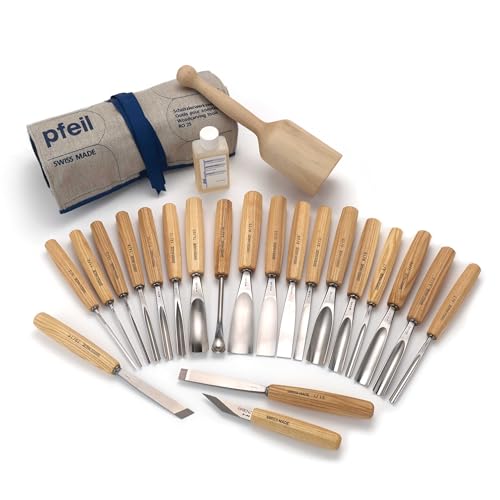
Electronically hardened alloy chrome-vanadium steel blade

Ergonomic Advantages of Octagonal Handle Shapes

Octagonal handles have some real ergonomic perks, especially when it comes to tools like axes and pulaskis. Ever noticed how easy it is to grip them? That eight-sided shape gives you a solid hold, making it easier to tweak your grip as you work. It’s a small detail, but it can really improve your control, especially with tasks that need you to cut or swing in different directions.
So, why does this matter? With round handles, it can be tricky to feel the tool’s orientation. But with an octagonal shape, the design helps you notice those rotations quicker. You’ll find you can adapt your grip without even thinking about it. This is a big deal if you’re engaged in more complex cutting or chopping tasks—every bit of control counts!
You’ll also appreciate the comfort that comes with these handles. They strike a nice balance between functionality and style. Honestly, an octagonal handle feels secure in your hand, which means less strain during long use. When you’re out there swinging away, the last thing you want is for your grip to slip or tire out.
The best part is that these handles not only look classic but also keep you working better. When you invest in a tool with an octagonal handle, you’re giving yourself the gift of that confidence knowing you’ve got a reliable grip every time you take a swing.
In fact, high-quality wood materials like English beech wood are often used for handles, combining durability with ergonomic comfort.
To wrap it up, octagonal handles provide a better grip and comfort for all your outdoor tasks. Next time you’re choosing a tool, think about how that handle will feel in your hand. Isn’t it worth considering how small changes can make a big difference?
Recommended Products

Handmade in Germany: The Journeyman camp axe is a hybrid of a hatchet and a conventional axe, and is the perfect all-purpose “in between” companion for the avid backpacker, camper, or woodsman. This pack axe is larger than a small axe and designed to be lightweight, compact, and easy to carry while trekking through wilderness. Comfortable to use one or two handed, the Journeyman will make kindling, limb branches, build your shelter, and other light splitting or cutting work.
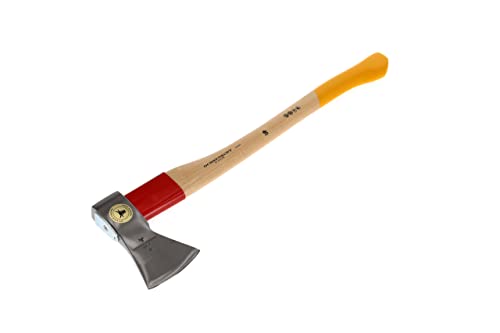
OUTDOORSMAN TOOL: For woodworks, splitting firewood, cutting branches or limbing felled trees

√ 【Ergonomic Design for Ultimate Comfort】The G10 material is lightweight and sturdy, making it ideal for use with tomahawk handles. The curved design and textured pattern of the tactical axe handle enhance grip for continuous use, providing non-slip performance. Additionally, the Jungle Axe's unique crowbar follows the principles of nail picking and leverage, while the nail puller at the bottom can hold against the hand to effectively prevent disengagement
What Are Round Handle Designs and When to Use Them?

Ever found yourself wondering what type of handle feels the best when you’re slicing and dicing in the kitchen? Round handle designs are a popular choice among many, and they often come standard on various tools and knives. With their smooth, circular shape, they offer a classic look that resonates especially well with chef knives.
These handles can provide a cozy grip, particularly when you’re making those downward cutting motions. That said, they do have their downsides. For one, they don’t give you the same edge orientation and indexing that octagonal shapes do, which can be a bit of a pain if you’re trying to be precise. If you’ve got a quick task ahead, a round handle might feel fine, but let’s be real—after a while, it might not be the most comfortable option.
So who should consider round handles? If you enjoy a traditional vibe and are comfortable with classic style knives, these could be your go-to. They’re well-suited for simple cuts where the look and feel trump advanced ergonomic features.
Truth is, the choice really comes down to your personal style and the tasks at hand. When experimenting next time, ask yourself: does comfort matter more for this job, or do you just want to lean into that classic aesthetic? For maintaining tools with round handles, choosing the right grit level for sharpening compounds can significantly enhance your cutting experience and preserve the handle’s integrity.
Recommended Products

Includes 3.5" Parer; 7" Santoku; 8" Chef; 9" Bread; Stainless Steel Shears; 9" Birchwood Handle Steel; 12-Slot Bamboo Block

KNIFE SET– Includes 3.5" Paring Knife, 6" Utility Knife, 8" Bread Knife, 8" Chef's Knife, 10" Honing Steel, 15-Slot Walnut Block

Set includes 3.5" vegetable knife, 6" utility knife, 8" chef's knife, 9.5" bread knife, 9" sharpening steel, kitchen shears, and bamboo block
User Preferences: Comfort and Performance Insights for Different Handle Shapes
Have you ever picked up a kitchen tool and thought, “This just doesn’t feel right?” Choosing the right handle shape can have a big impact on how comfortable you are while cooking and how well you perform those tasks.
I’ve noticed that many people tend to favor octagonal handles, and for good reason. These handles offer a solid grip that really helps with control, especially when you’re using different cutting techniques. When you’ve got an octagonal handle in your hand, it’s much easier to tell which way the tool is facing. Plus, they work for various hand sizes and let you move in multiple directions without straining your fingers.
On the flip side, there are folks who love the look and simplicity of round handles. They certainly have their charm! But when it comes to comfort and performance, octagonal shapes seem to offer more benefits. So, which handle shape do you think would work better for you?
To sum it up, the best handle shape really comes down to what feels right for you and how you cook. A well-designed handle, no matter the shape, can make a world of difference. Ergonomic designs, often featuring rubberized materials or specific shapes, help reduce hand fatigue during extended use. So, which one are you leaning towards?
How Do Anti-Roll Designs Enhance Safety?
Ever had a moment when you were cooking or working on a project, and a tool just rolled off the counter? It can be more than just annoying—it can be dangerous. That’s where anti-roll designs come into play. These features enhance user safety and grip stability in a big way.
When you think about it, tools with flat sides or ergonomic shapes really keep things in place. This means fewer distractions while you’re busy, allowing you to focus on your task without worrying about anything rolling away. Plus, having a stable tool means you’re spending less time picking it up from the floor, so your work stays efficient and safe.
Here’s the trick: many manufacturers are now making anti-roll designs standard in their products. This isn’t just clever marketing; it shows they really care about keeping you safe while you work. It’s impressive how these thoughtful design choices can drastically improve workflow.
Frankly, who wouldn’t want to work confidently, knowing their tools are staying put? So, next time you’re shopping for tools or gadgets, keep an eye out for that anti-roll feature. It might just make your kitchen or workshop a whole lot safer.
In short, these design smart features not only help you work more smoothly, but they also keep you focused. Are you ready to try out some anti-roll tools on your next project? Many bench clamps implement non-slip pads to prevent accidental rolling and improve grip stability.
Tips for Choosing the Best Handle Shape for Your Needs
How do you choose the right handle shape for your tasks? It can be a bit tricky, but let’s break it down together. First off, think about how your hand interacts with the handle. Octagonal handles are pretty versatile; they fit well in all hand sizes and feel stable, which is essential for control, especially when you’re getting into different cutting techniques.
If you’re working on precise cuts that require moving in various directions, octagonal shapes really excel there. And for those of you who switch hands, both oval and octagonal handles offer ambidextrous comfort, making them a solid choice. On the flip side, if you want a handle that gives you more versatility, steer clear of D-handles.
Here’s a tip: whenever possible, get a feel for different handle shapes in person. Hold them in your hand and see which one works best for you. It’s surprising how much of a difference that makes. Honestly, don’t forget to consider your personal touch—everyone has their own style. A well-designed tool isn’t just about performance; it should also be something you love to use.
Additionally, choosing a handle made from durable materials like treated ashwood or hickory can improve grip security and reduce fatigue over long use.
In the end, picking the right handle shape can really enhance your overall experience and productivity. What handle shapes have you tried, and which ones stood out to you?
Recommended Products

SG2 Semi-Stainless Steel is a high carbon steel that sits at the pinnacle of maximizing cutting performance and edge retention like no other before it. With a HRC Scale of 64-65, this knife will make and keep its superior edge for an extreme period of time. It is well known to have excellent edge retention, and its low wear resistance allows for much easier sharpening. It is perfect for those professionals who have daily high-volume prep work for extended hours.
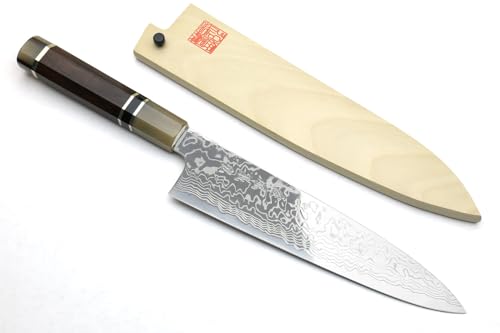
Blade Material: ZDP-189 Stainless Steel / Edge Angle: Double Edged / Grade: Suminagashi / Handle Shape: Octagonal / Handle Material: Ebony Handle with Triple Ring / HRC:66-67 / Knife Style: Gyuto Chef Knife / Saya Cover: Magnolia Saya Knife Cover / Stain Resistant: Yes / Made in Japan

The Blue Steel #2 stainless-clad core offers exceptional sharpness and edge retention with a Rockwell hardness of 63.
Frequently Asked Questions
What Is the Best Shape for a Knife Handle?
We’ve found the best knife handle shape combines ergonomic design with ideal handle length and weight distribution. For example, a well-balanced octagonal handle caters to diverse hand sizes, providing grip texture that enhances comfort during various cutting techniques.
Are Octagonal Knife Handles Comfortable?
Octagonal knife handles are definitely comfortable for us, thanks to their ergonomic design and grip comfort. User feedback highlights how they accommodate various hand sizes, enhance knife balance, and reduce pressure points during use.
What Is the Difference Between Octagonal and Oval Knife Handles?
Choosing between octagonal and oval knife handles is like selecting a pair of shoes—each offers different grip stability and comfort preference. Octagonal grips enhance handle ergonomics, while oval grips focus on simplicity and design aesthetics.
What Is an Octagon Axe Handle?
An octagon axe handle combines ergonomic design features with octagonal grip benefits, enhancing traction and comfort. Historical usage highlights its significance, while our user preferences survey shows its aesthetic appeal and adaptability for various tasks. Regular maintenance guarantees longevity.


