As an Amazon Associate, we earn from qualifying purchases. Some links on this site are affiliate links at no extra cost to you. Our recommendations are based on thorough research and editorial judgment.


Introduction to Rifflers: Shaping Tight Curves and Detail Work

Have you ever struggled to shape tight curves in your sculpting projects? It can be frustrating when you want to add those intricate details but just don’t have the right tools. That’s where rifflers come in handy.
You may be interested


Rifflers are specialized tools designed for creating those perfect curves and detailed work. They’re made with hand-raised burrs and sturdy steel, so they can handle both concave and convex shapes effortlessly. Since they come in various forms, you can easily tackle everything from tiny, delicate features to smoothing out larger surfaces.
Here’s the trick: get familiar with the different types of rifflers. Each type has a unique shape that allows you to reach spots other tools just can’t. For instance, some are better for undercuts, while others excel at refining edges or adding subtle details.
So, how can you make the most of these tools? You might want to practice your holding technique; a firm grip will help you control the tool better. Additionally, try using a slower, steady motion rather than rushing through your work. This not only improves your accuracy but also gives you that extra finesse we’re all after.
Truth is, mastering rifflers can truly elevate your sculpting game. It’s all about understanding how they work and taking the time to practice.
So, next time you’re in your workshop, consider incorporating rifflers into your toolkit.
To sum it up, rifflers are an essential part of your sculpting toolbox if you want to master those tight curves and fine details. What intricate design are you looking to create next?
Key Takeaways
- Rifflers are specialized tools designed for creating precise curves and intricate details in sculpting.
- They come in various shapes, allowing versatility for both concave and convex designs.
- Constructed from durable steel, rifflers feature hand-raised burrs for effective cutting and shaping.
- Proper techniques, like gliding in one direction, enhance the quality of detail work.
- Regular maintenance ensures the longevity and optimal performance of rifflers in sculpting projects.
Key Features of Rifflers for Shaping Curves

Have you ever struggled with shaping curves in your projects? It can be tricky if you don’t have the right tools. That’s where rifflers come in. These handy tools are designed specifically for creating those precise curves that can make or break your work.
The great thing about rifflers is that they come in various shapes. You’ll find everything from sharp points to round edges, making it easier to tackle different curves just the way you need. It’s all about having options. As you use them, take a moment to step back and look at what you’ve done. This isn’t just about carving away; it’s about making sure every detail meets your standards.
What sets rifflers apart is their construction. Made from steel with hand-raised spiky burrs, they cut through materials with ease. If you’re working on intricate tasks, these are your go-to tools. While traditional rasps are excellent for rough shaping, rifflers provide that smooth transition to fine sanding. They’re perfect for when you want to get into those tight curves and master beautiful surfaces.
Honestly, using the right tools can truly enhance your craftsmanship. So, whether you’re a seasoned woodworker or just starting, consider adding a set of rifflers to your toolkit. With the ability to shape curves more effectively, you might just find yourself enjoying the detailing process more than ever. What will you create next? Proper maintenance such as regular cleaning and storage in a dry environment ensures long-lasting performance of your shaping tools.
Recommended Products

COMPACT SIZES- SE rifle files have a unique shape, ideal for precise tasks. The files measure 3 mm by 140 mm, suitable for reaching difficult-to-access areas. These metal file sets include fine-tuned steel files for specific applications.

VERSATILE- SE Heavy Wood Rasp Riffler File Set is a multi-purpose tool kit with 8 assorted shapes, perfect for wood carving, clay sculpting, foam shaping, and other activities, allowing you to achieve precise and intricate cuts.

File Length: 5-1/2" (140mm), Diamond Coated Area: 1" (25mm), Average Shaft Dia. : 1/8" (3mm)
What Are Rifflers and How Are They Used?

Ever find yourself struggling to smooth out those tricky curves or awkward surfaces in your projects? That’s where rifflers come in. These nifty little tools are narrow and elongated, perfect for filing, shaping, and smoothing out those detailed spots where traditional tools just can’t reach.
Rifflers come in various shapes, each designed to tackle a specific task. They often have sharp points and rounded edges, making them ideal for precision work. You’ll love how they handle tight spaces! They’re made of durable steel with hand-raised spiky burrs, which adds to their effectiveness. Here’s the trick: when using them, always glide them across surfaces in one direction, avoiding dragging them backward. It’s a small detail that makes a big difference in the finish.
Why does this matter? Well, using rifflers can really refine your shapes before you start sanding, boosting your overall efficiency. They excel at addressing hollows and awkward forms, making them essential for anyone involved in sculpting or woodworking. Think of them as your secret weapon for achieving that intricate craftsmanship you’re going for.
The best part is, once you try rifflers, you’ll see just how much easier they make your work. Seriously, they can tackle areas that were once a hassle. So, why not give them a shot? With a little practice, you’ll wonder how you ever managed without them.
In fact, many woodworkers recommend complementing rifflers with quality chisels featuring chamfered blade designs to enhance precision and control in shaping projects.
In recap, if you’re looking to improve your detailing work, consider adding rifflers to your toolkit. What projects will you tackle next with your new skills?
Recommended Products

31PCS METAL FILES: Libraton metal file set contains 4pcs of 8" metal files of flat, half-round, round and triangle shape; 12pcs of 4" precise needle files of round, half-round, square, flat, flat warding, triangle sharp; 1 riffler file; 12pcs sandpapers; 1 steel brush; 1 zipper bag. Ideal set for DIY woodworking or shaping metal.

8 Double-Ended Profiles
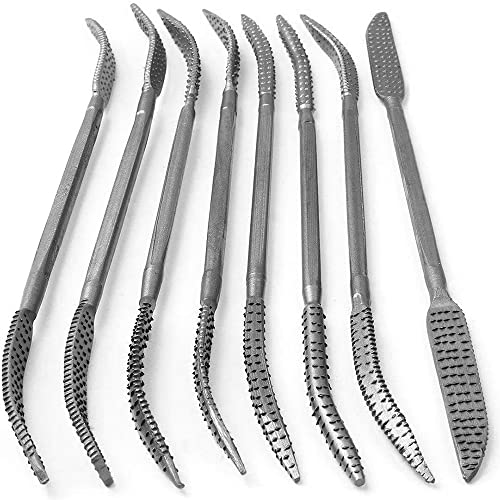
Alloy Steel Material: Alloy steel has higher strength and toughness than carbon steel, wear resistant and durable, suitable for long term work.
Why Rifflers Are Crucial for Detailed Sculpting

Sculpting can be tough, especially when it comes to that oh-so-important detail work. You might find yourself struggling to get into those tight curves or small spaces, right? That’s where rifflers come in. These long, narrow tools are perfect for precision, making it way easier to get those intricate designs just right.
When you’re picking tools, don’t underestimate the material. Rifflers made from steel with hand-raised burrs can really elevate your work. They keep their edge longer, so you won’t spend all your time sharpening them. Plus, those unique curved surfaces let you create both concave and convex shapes without breaking a sweat. Want to shift smoothly into those finishing touches? Rifflers have got your back.
So, here’s the trick: experiment with different sculpting styles using these tools. There’s something special about how they improve your creative process and help your detailed work shine. Honestly, once you start using rifflers, you’ll see that they make a noticeable difference in your projects. Using tools with non-marring surfaces also helps protect delicate workpieces during detailed shaping.
Comparing Rifflers With Other Carving Tools
Have you ever found yourself struggling with tight curves or intricate details while carving? It can be pretty frustrating, right? This is where rifflers really shine. They handle those tricky spots that other tools just can’t reach, making them a must-have for any carver.
Unlike standard rasps that have wider surfaces, rifflers feature elongated designs that offer fine control. This precision is especially handy when you’re working on concave areas, refining shapes little by little. What’s impressive is how well rifflers push through materials, thanks to their hand-raised spiky burrs. While rasps can remove material quickly, they just don’t offer the same flexibility as rifflers do. When you need that extra bit of precision, reaching for a riffler can make a world of difference in your work.
So, here’s the trick: when you’re faced with intricate details, consider the unique advantages rifflers provide. They’re not just another tool in your kit; they can really make the finishing touches much easier and more effective. Honestly, once you start using a riffler, you’ll see just how versatile they can be.
In short, if you find yourself often carving tight spots and curves, really give rifflers a shot. They might just become your new favorite tool. What’s one project you have in mind where a riffler could come in handy?
Additionally, pairing rifflers with high-quality carving knives made from high-carbon steel can elevate your craftsmanship to the next level.
Recommended Products

20-IN-1 VERSATILITY: Featuring 10 double-ended designs, this set offers 20 different tips, catering to a diverse range of tasks.

Industrial-Grade Durability: Crafted with ultra-durable T12 alloy steel and diamond-coated files for heavy-duty shaping. Metal files tackle soft materials, diamond files handle hardened surfaces.

Total Length: 7" (180mm) , File Length: 2-3/4" (70mm), Diamond Grit: 150, Handle Shank Diameter: 13/64" (5mm)
Step-by-Step Techniques for Using Rifflers in Sculpture
When you decide to dive into using rifflers for your sculpture work, having a solid plan is crucial. Selecting the right rifflers can make all the difference—think sharp points for those tiny details, rounded ones for gentle smoothing, and curved ones to get those beautiful contours just right. You won’t want to grip these tools too tightly; instead, try gliding them slowly as you feel their response against the material. Here’s the trick: pushing the rifflers forward helps keep them sharp and ensures you’re getting optimal cutting action.
If you’re just starting out, practicing with softer stones like soapstone is a smart move. It’s a lot more forgiving and boosts your confidence before working with tougher materials. Regular maintenance is a must; make it a habit to inspect and clean your rifflers to clear away any debris. This little step goes a long way in improving your efforts during those intricate refinements. For optimal performance, it’s important to keep your tools in a dry environment to prevent rust and maintain condition.
Recommended Products

Precision Filing for Delicate Work: Designed for detailed shaping, smoothing, and finishing, this 10-piece diamond file set gives you control where sandpaper and bulky tools fail—ideal for intricate, small-scale projects.

SE 7408WFR 8-Piece Heavy Wood Rasp Riffler File Set

High-quality diamond file set designed for hard-to-reach & odd-shaped objects
Effective Riffler Techniques
Ever struggle with getting those perfect curves in your sculpture? Mastering effective riffler techniques can make a world of difference. First things first—don’t grip the tool too hard. A light grip lets you feel how it’s responding, which means you can adjust your pressure as needed.
When you’re working on those intricate shapes, glide and scrape the tool forward. It’s more effective than dragging it backward, which can dull the cutting edges quickly. Regularly cleaning the debris from your rifflers is a must; it keeps the performance sharp and ensures you get those clean results you want.
Starting with softer woods, like poplar, can really help build your skills. Why not? These materials are easier to work with, and over time, you’ll get a much better hand-eye coordination. You’ll find that navigating tight spaces becomes second nature, and those detailed features will really pop.
To maintain the best performance, consider regular sharpening of your tools using appropriate techniques.
Avoid These Common Pitfalls When Working With Rifflers
Getting those intricate curves right can feel like a real challenge, right? It’s not just about technique; it’s also how you handle your rifflers that counts. For starters, keep your grip light and always push forward. Dragging the rasp backward? That’s a surefire way to dull that cutting edge and wear down your tool faster than you’d like.
Cleaning your rifflers after each use is essential, too. Think about it: debris buildup can totally mess with performance, and nobody wants that. Make sure you’re also paying attention to the direction of the tool’s teeth. Using them the wrong way can ruin your finish and take years off your tool’s lifespan—definitely not ideal.
Here’s the trick: choose the right shape and size for your tasks. Doing so will help you work more efficiently and achieve the precise results you’re after.
Also, securing your workpiece properly using a clamping force tool can greatly enhance precision and safety during detailed riffling work.
Choosing the Best Riffler for Your Tasks
How do you know which riffler is right for your project? It all starts with the shape and curvature of the tool. If you’re working in tight spaces, a narrower and elongated riffler is usually the best choice.
When it comes to materials, look for those with hand-raised spikes made from sturdy steel. These will really help when you’re diving into detail work. And let’s not forget about comfort—an ergonomic design can make a huge difference, particularly during long sessions. If you need to work on concave surfaces, go for a curved riffler; they’re designed for that. On the flip side, sharp-pointed ones are perfect for those tricky, hard-to-reach spots.
So, why does this matter? Well, using the right tool isn’t just about having something that looks good in your toolbox; it’s about getting the job done efficiently. A well-balanced riffler enhances your comfort and helps you avoid fatigue.
Additionally, selecting tools made from hardened alloy steel ensures durability and effective cutting performance, especially in detailed woodworking.
Now, let’s discuss maintenance because a tool can only perform well if you take care of it. Always use the riffler in one direction to prevent blunting it. By keeping these tips in mind, you’re setting yourself up for success in your projects.
Happy shaping! What project are you excited to tackle next?
Recommended Products

【Carbon Steel Materials】- The metal files are made of carbon steel which had high hardness. The fine-grained texture of the rasp file set is deeply quenched and coated for long-lasting cutting performance
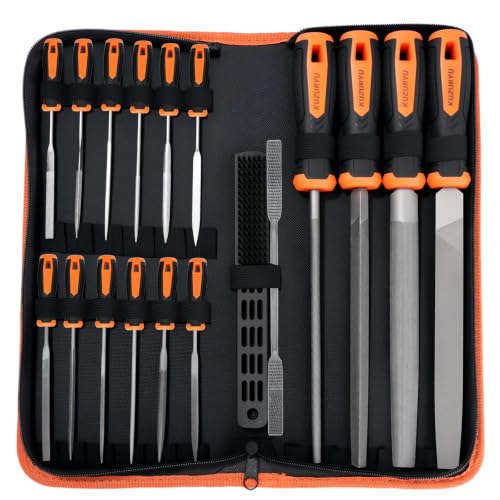
✅ 31PCS METAL FILE SET: Contains 4 8-inch metal files (flat, half-round, round, triangular) and 12 4-inch precision needle files, 1 riffler file, 12 sheets of sandpaper, a steel brush, a pair of work gloves and a tool bag. This file set meets all needs of DIY enthusiasts and professionals.
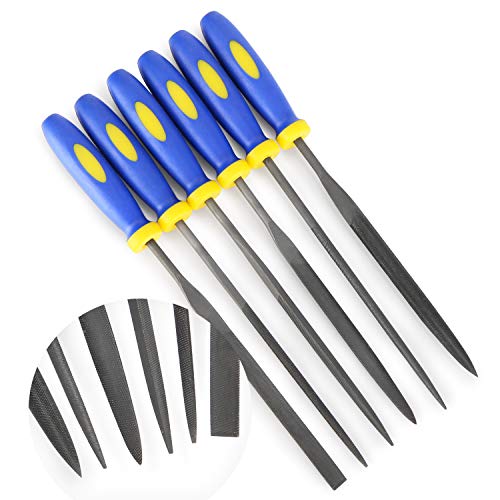
MINI SIZE - 6'' Total Length, 4'' File Length, 3mm Width
Frequently Asked Questions
What Is a Riffler Used For?
Rifflers are essential for shaping intricate curves and details in our projects. Their narrow design allows precision in tight spaces, offering distinct advantages in both woodworking and sculpting, transforming our creative visions into detailed realities.
What Are the Different Types of Riffler Files?
We can explore various rifflers like pointed, rounded, and curved options. Their materials and techniques vary, catering to different applications like shaping wood or stone, making them essential for detailed sculpting and fine craftsmanship.
Is There a Difference Between a File and a Rasp?
When we navigate our creative journeys, we find files and rasps embody different paths—files refine with precision, while rasps reshape with strength. Understanding their materials and design features lets us choose wisely for every crafting endeavor.
What Is a Rasp Tool?
A rasp tool’s made of high-carbon steel for durability, serving versatile applications in woodworking. When choosing rasp tools, we appreciate their coarse surface that efficiently shapes and refines material, creating detailed work without grit residue.


