As an Amazon Associate, we earn from qualifying purchases. Some links on this site are affiliate links at no extra cost to you. Our recommendations are based on thorough research and editorial judgment.


Technique Guide: Paring vs. Chopping – When to Use the Mallet

Have you ever found yourself staring at a piece of wood, unsure whether to chop or pare? It’s a common dilemma, and knowing the difference can really impact your project.
You may be interested


When you want to make quick, powerful cuts, reach for a mallet and a heavier chisel. This method is perfect for tasks like creating mortises, where speed is crucial.
On the flip side, paring requires a gentle touch. Instead of grabbing the mallet, you’ll want to apply steady hand pressure to carefully shave off thin layers—aim for about 1/32 inch at a time. It’s all about finesse and precision here.
So, what’s the best tool for the job? Here are a few pointers:
- For chopping, a heavier chisel with a mallet is your go-to.
- For paring, lightweight chisels and your hand work together to get those fine details just right.
Truth is, mastering these techniques can really elevate your woodworking skills. It’s not just about tools; it’s about knowing which one to use based on what you’re trying to achieve.
When you feel confident in your choices, your projects will reflect that skill and care.
Trying to improve your craft? Consider how these distinctions affect your workflow. It might just make all the difference in your next woodworking adventure!
Key Takeaways
- Use chopping with a mallet for removing larger wood chunks quickly, ideal for making mortises and deep cuts.
- Paring does not require a mallet; rely on hand strength for fine, precise adjustments and smooth finishes.
- Choose chopping techniques for power-based tasks while paring emphasizes finesse and control.
- Select a heavy chisel with a mallet for chopping; use a lighter paring chisel for delicate work.
- Always secure the workpiece and keep hands behind the chisel edge for safety during both techniques.
Understanding Chopping and Paring Basics

When you’re diving into woodworking, you might find yourself wondering how to tackle those different tasks, especially when it comes to chopping and paring. Chopping is your go-to for things like making mortises. It involves using a chisel and striking it with a mallet, which makes it perfect for quickly removing bigger chunks of wood. Just make sure your workpiece is secured to a sturdy surface—nothing’s more frustrating than trying to work on something that’s wobbling around.
On the flip side, let’s talk about paring. This technique is all about finesse. If you need to make those fine adjustments or add some detailed touches, a paring chisel is what you need. You’re shaving off very thin layers—barely 1/32 inch at a time—allowing for that smooth, polished finish you want for your project. It’s really a hand-powered affair, providing enhanced control and precision. So, why does this matter? Well, it’s all about knowing when to chop for speed or pare for precision based on what’s in front of you.
Here’s the trick: understanding the right moments to switch between these two techniques can make a big difference in your woodworking experience. Balancing speed and precision is key to success, regardless of the project at hand. You might find that knowing when to grab a mallet versus when to slow down for detail can elevate your work significantly. Choosing chisels made from high-carbon steel can enhance both chopping and paring effectiveness due to their durability and sharp edge retention.
Recommended Products
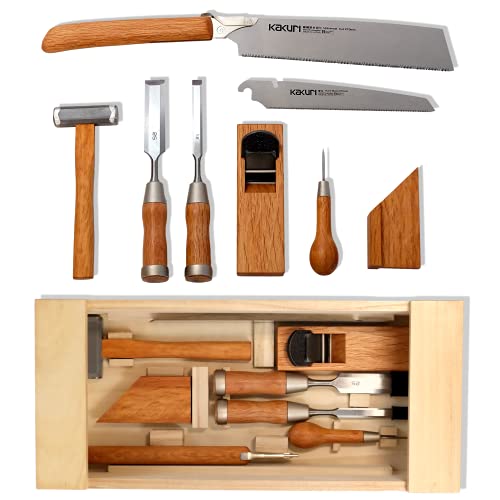
[QUALITY JAPANESE WOODWORKING TOOL SET] Discover the highest-grade Japanese carpentry tool set from KAKURI, trusted by professional artisans worldwide—from musical instrument makers to joiners, furniture craftsmen, and carpenters. This premium set comes in a traditional Japanese toolbox made of lightweight, durable paulownia wood, designed for both protection and portability.
![KAKURI Japanese Wood Chisel Set Damascus 6 Piece for Woodworking, Aogami Blue Steel No.2 Blade, Made in Japan [Japanese & Western Mixed Style]](https://m.media-amazon.com/images/I/513YqtuzMiS._SL500_.jpg)
6 SET OF PREMIUM GRADE JAPANESE CHISELS: It is a top-quality Japanese woodworking tool for professional carpenters and dedicated woodworkers. Each blade width size: 6 mm / 12 mm / 19 mm / 25 mm / 32 mm / 38 mm. You can use it for various types of woodwork such as architecture, furniture, making mortise, and DIY.

Versatile Whittling Kit: Our 10 pc. Deluxe Mallet Set is the perfect wood working companion, featuring gouges from 1/8" to 1-1/4" for intricate detail or large projects.
The Art of Paring: Effective Techniques for Smooth Finishes

Mastering paring can really step up your woodworking game. It involves using your hands to shave off thin layers of wood—usually around 1/32 of an inch. Now, what’s the secret to that smooth finish we all want? Well, you’ll want to make sure your workpiece is clamped down securely. Adopting a classic paring grip will give you steady hand pressure and better control over your chisel.
If you need a little extra oomph without pulling out a mallet, try a modified chopping grip. It can give you that added downward pressure when you need it most. So, why does this matter? Proper chisel angle is key for gradual material removal; it makes all the difference in how easily you can pare down wood. Keeping your chisels sharp is crucial too—regularly sharpening and honing them means you’ll get clean cuts and save effort on those fine details.
Honestly, paying attention to these tips can take your projects to the next level. Remember, it’s all about technique and practice, so don’t get discouraged if it doesn’t come easy at first. Using a sharpening jig with adjustable angles can help maintain the precise bevels needed for smooth paring.
Happy woodworking, and what project are you tackling next?
Using a Mallet for Chopping: Key Tips

Ever found yourself struggling to chop wood accurately? Using a mallet can seriously up your woodworking game, but there’s a right way to do it. First off, make sure your workpiece is firmly clamped. It’s not just about keeping it steady; it also ensures your safety while you work.
For the best results, grab a plastic dead-blow mallet to strike the chisel handle. This kind of mallet reduces marring and provides a good punch when you’re chopping. When you hold the chisel, wrap all your fingers around it. This grip gives you better control, especially with those thicker blades. So, how do you chop effectively?
Aim for well-placed cuts that quickly remove material—this is especially crucial when you’re making mortises. Also, remember to angle the chisel correctly and remove material in increments. This careful approach prevents damage to both your wood and your tools, allowing for cleaner, more precise cuts.
Using a mallet with an ergonomic, non-slip grip can reduce fatigue and improve control during extended chopping sessions.
In the end, it’s all about being methodical and focused. Why not give these tips a shot next time you’re in the shop? With practice, this technique can really sharpen your skills!
Recommended Products

Less Rebound, Greater Control – Steel shot inside the hammer head reduces rebound

Keep this dead blow hammer in your arsenal for those times you need strike objects without marring them

Non-Rebounding hammer, perfect for powerful strikes. Noise-dampening and gentle on the joints.
Chopping vs. Paring: What’s the Difference?
Do you know the difference between chopping and paring in woodworking? It might seem simple, but it can really change everything about how you approach your projects.
Chopping is all about using a mallet to hit a heavy chisel, letting you remove larger amounts of wood quickly. It’s perfect for jobs like mortising, where the goal is to create deep cuts in the wood. When you apply force, it drives the chisel into the material, making fast work of tough tasks.
On the flip side, paring is a more delicate process. Instead of using a mallet, you rely on your hand’s strength to guide a thinner, longer chisel. This technique is ideal for making fine adjustments—think shavings rather than chunks. It’s about getting those joints to fit just right without overdoing it.
So, where’s the real difference? Chopping focuses on power, while paring is all about finesse and precision. Keeping these two techniques in mind can help you pick the right one for any given task.
Using accurate tools like a carpenter speed square can help ensure your cuts and shapes are precise whether you’re chopping or paring.
Next time you find yourself at your workbench, ask yourself: Do I need to chop away a lot of wood fast, or am I looking to make those careful little adjustments? It’s worth considering! Happy woodworking!
Recommended Products

To commemorate its 100 anniversary, Narex developed a new line of Richter Extra Chisels named after their founder. The Richter Extra chisels are the finest chisels Narex has produced in its 100-year history. This line of chisels are made from the finest materials available, have undergone superior heat treatment and been manufactured using the most stringent manufacturing processes.

Premium Quality Blades: Made from high-quality Chrome Vanadium (Cr-V) steel, cryogenically treated for enhanced strength and wear resistance.

To commemorate its 100 anniversary, Narex developed a new line of Richter Extra Chisels named after their founder. The Richter Extra chisels are the finest chisels Narex has produced in its 100-year history. This line of chisels are made from the finest materials available, have undergone superior heat treatment and been manufactured using the most stringent manufacturing processes.
Selecting the Right Chisel for Chopping and Paring
When you’re tackling a project that involves chopping or paring wood, choosing the right chisel can really make a difference. You don’t want to find yourself halfway through a job, struggling because you picked the wrong tool. So, what should you look for?
First off, for chopping tasks, consider going with a mortise chisel or a firmer chisel. These chisels have thick blades that can handle the force of a mallet without bending or breaking, making material removal easier. You’ll appreciate having a comfortable grip; it makes those powerful strikes a lot less strenuous.
Now, if you’re looking to do some paring work, grab a longer, thinner paring chisel. These are designed for hand pressure rather than being pounded with a mallet, which helps you achieve precise cuts. Bevel-edge chisels are also handy for squeezing into tight spots while maintaining their sharpness.
Truth is, your choice of chisels can depend on the type of wood you’re working with. Harder woods might demand heavier mortise chisels that can take the abuse, while softer woods can be just fine with a lighter paring chisel. So, think about what you’ll be working with before making your selection.
In short, having the right chisel for the job isn’t just a matter of preference—it’s about efficiency and achieving the best results. Remember, choosing chisels with high carbon steel blades ensures both durability and sharpness during heavy woodworking tasks. What tools do you keep in your toolbox?
Recommended Products

【Solid Cast Iron Construction】- CXRCY Heavy Duty Mortising Machine is well built with premium cast iron, which makes the mortisers more durable and sturdy. The mortise and tenon machine is heavy duty for its weight 47.06lbs. Our mortiser machine is covered in greases, preventing from rust. Furthermore, we made the package outermost a wood case to protect the mortising machine for making sure that you can get a wood mortiser in a decent condition when it arrives

Set of 6 Narex Richter chisels by The Woodworking Club
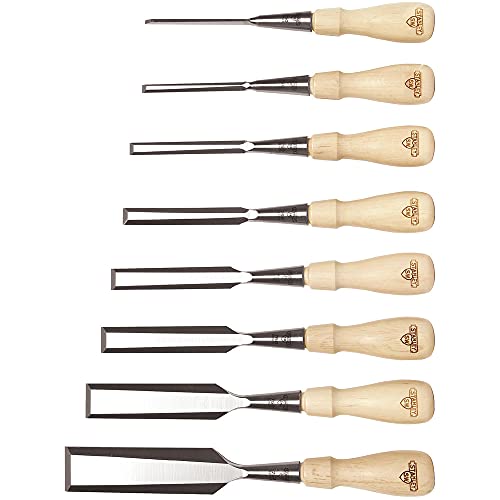
Classic 750 Series design
Best Chisels for Chopping and Paring
Choosing the right chisel can make a big difference in your woodworking projects, and let’s face it, using the wrong tool can lead to frustration. If you’re planning on doing some chopping, a sturdier mortise chisel is essential. It can take the heavy strikes from your mallet effortlessly, making it ideal for cutting precise mortises or removing thick material.
On the other hand, if you’re focusing on paring, you’ll want a long, thin paring chisel. These are great for smoothing surfaces and making fine adjustments. And the best part is, you don’t even need a mallet for these types of chisels. They’re all about control and finesse.
Thinking about versatility? A bevel-edge chisel is your best friend here. With its angled edge, it’s fantastic for both chopping and delicate paring tasks, giving you more options as you work. When you’re picking out paring chisels, aim for a flatter angle for smoother cuts, while reserving the mortising chisels for those firmer chops.
For best results and longevity, investing in chisels made from chrome-vanadium steel ensures durability and sharpness retention suitable for both chopping and paring tasks.
Recommended Products

COMPATIBILITY: Designed with a 5/8 in. shank to fit Delta products; also fits most brands of Mortisers and Drill Press Attachments.

To commemorate its 100 anniversary, Narex developed a new line of Richter Extra Chisels named after their founder. The Richter Extra chisels are the finest chisels Narex has produced in its 100-year history. This line of chisels are made from the finest materials available, have undergone superior heat treatment and been manufactured using the most stringent manufacturing processes.
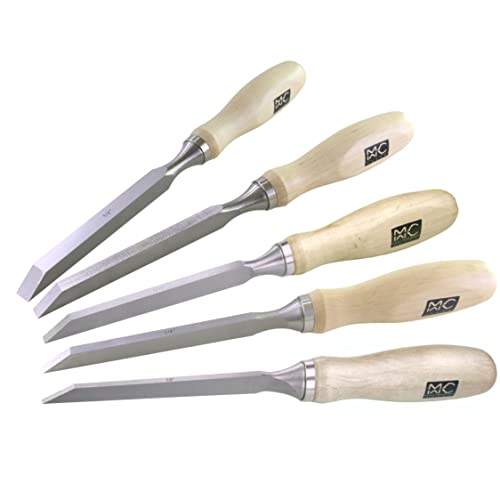
5 SIZES PROFESSIONAL DESIGN: Our designers designed this set of mortise chisels with carpenters’ safety and efficiency in mind, positioning professional users for any challenging woodworking projects, our well-made carving blades set includes 5 different size of 1/8", 1/4”, 5/16", 3/8”,1/2”, exactly designed for your woodworking demands
Safety Tips for Effective Chopping and Paring Techniques
Having the right chisels can really elevate your woodworking projects, but safety’s key—no one wants a trip to the hospital over an accident. First things first: you need to secure your workpiece to a stable surface with clamps. This helps keep everything in place while you chop or pare. When it comes to chopping, grab a specialized mallet. Not only does it protect your chisel, but it also saves your workpiece from damage. A plastic dead-blow mallet is a great choice because it won’t mar the surface.
For paring, you’ll want to use only hand pressure. Take off no more than 1/32 inch at a time; this is all about precision. It’s crucial to work away from yourself and keep your hands behind the chisel edge. Think about it—keeping your hands out of the danger zone is a no-brainer. And don’t overlook the importance of keeping your chisels sharp. Sharp tools not only improve control but also reduce the force needed, making your tasks safer overall. Ergonomic handles with non-slip textures can also help reduce hand fatigue and improve control during prolonged use.
Frequently Asked Questions
Which Direction Should You Chip or Cut When Using a Chisel?
When chipping or cutting with a chisel, we should always follow the grain direction. This cutting technique minimizes splintering and helps us achieve a smooth finish, ensuring better control and accuracy during our projects.
What Is a Paring Chisel Used For?
A paring chisel’s used for delicate woodworking tasks, like refining joints and shaping corners. By mastering paring chisel techniques, we can achieve precision in our projects, making it an essential tool in our applications.
How to Use a Chisel With a Mallet?
When wielding our trusted chisel and mallet, we’ll embrace woodworking safety! We’ll position the chisel firmly and strike with precision, ensuring control and care while expertly guiding the tool to accomplish our creative vision.
What Is the Correct Way to Use a Wood Chisel?
When we use a wood chisel, we prioritize chisel maintenance, ensuring it’s sharp and well-maintained. We apply controlled pressure for paring and firm strikes with a mallet for chopping, focusing on accuracy and safety throughout.


