As an Amazon Associate, we earn from qualifying purchases. Some links on this site are affiliate links at no extra cost to you. Our recommendations are based on thorough research and editorial judgment.


Spokeshaves: Flat vs. Round Bottom Shaves for Curves

When you’re tackling curves with a spokeshave, you might wonder which one to grab. Flat-bottomed spokeshaves are your go-to for larger curves. They really shine on surfaces that are up to 6 inches wide, providing smooth control.
You may be interested


On the other hand, if you’re looking at tighter concave curves, round-bottomed spokeshaves come into play, but they can be a bit tricky to handle.
So, what’s the deal with the blades? Quality matters a lot, and having adjustable depth can really make a difference in how easy these tools are to use. Brands like Lie-Nielsen and Veritas often get high marks for their options, so you might want to check those out.
Here’s the trick: practice makes perfect. With time, you’ll get the hang of these tools, and soon enough, you’ll be crafting beautifully shaped curves.
Have you ever thought about how satisfying it is to create something with your own hands? It can really be rewarding!
In short, when it comes to spokeshaves, think about the curve you’re working with before making your choice.
So, what’s the next curve you’re planning to tackle?
Key Takeaways
- Flat-bottomed spokeshaves are best for shaping larger, gentler curves and flat surfaces, up to 6 inches in radius.
- Round-bottomed spokeshaves excel at creating tighter concave curves but require more skill to operate effectively.
- The quality of the blade and adjustability are crucial for achieving optimal performance in both types of spokeshaves.
- Flat-bottomed shaves offer greater stability and user-friendliness, making them suitable for beginners.
- Maintaining sharp blades and adjusting depth enhance cut quality and control, no matter the spokeshave type.
Understanding Spokeshaves

Are you struggling to shape wood precisely for your projects? Well, spokeshaves might be just what you need. These tools feature a blade, or cutting iron, sitting snugly between two handles and are essential for crafting curves in wood. You’ll usually come across two main types: flat-bottomed and round-bottomed spokeshaves.
Flat-bottomed spokeshaves are super versatile. They do great on flat surfaces and can handle gentle curves, typically for radii up to 6 inches. If you’re working on larger pieces that require a bit of flexibility, they’re perfect. Now, if you’re tackling those tighter concave curves, that’s where round-bottomed spokeshaves really shine. But be prepared—they take a bit more skill to master.
You might want to pay close attention to the quality of the spokeshaves you choose. Modern models can sometimes be plagued with chatter, while vintage ones often perform like champs. Honestly, with the right sharpening techniques and a little practice, both types can help you achieve fantastic results in your woodworking endeavors. Proper sharpening techniques are crucial to maintain a clean, precise cutting edge on your tools.
Choosing the Right Spokeshave for Your Project

Choosing the Right Spokeshave for Your Project
Are you confused about which spokeshave to buy for your next woodworking project? When it comes to deciding between flat bottom and round bottom spokeshaves, think about the curves you’re going to work with. Flat-bottomed shaves are great for larger radii. They’ll let you shape flat, convex, or gently concave surfaces with ease. But if you’re tackling those tight concave curves, especially ones less than 6 inches, you really can’t go wrong with a round-bottomed shave.
So, what else should you look for? The quality of the blade is key, and being able to adjust it properly makes a big difference in performance. Brands like Lie-Nielsen and Veritas are known for their solid craftsmanship, but don’t overlook vintage Stanley models; they can really surprise you with their performance at times.
Here’s the trick: always try out different models before you commit. It’s important to find the right fit for your own hands and your specific needs. After all, a tool that feels comfortable will help you create better work. Also, considering the ergonomic designs of tools can reduce hand fatigue and improve control during extended use.
Recommended Products

Complete 10" Spokeshave Kit : This set includes 1pcs 10-inch adjustable spokeshave and 2pcs spare blades, providing essential tools for your woodworking shaping tasks

Precision Shaping Tool: Designed for clean chamfers, sculpted roundovers, and refined curved edges, this Bench Dog spokeshave is ideal for chair legs, spindles, and contour work; leaves smooth shavings instead of dust for cleaner woodworking results

【Complete SpokeShave Set Package】This set includes 2 sizes of an adjustable spokeshave and 4 replaceable blades, and 1 portable woodworking plane. The adjustable SpokeShave comes in 10" and 9" sizes, with blade lengths of 43.8mm/1.72" and 52mm/2.05". The Portable Woodworking Plane is 44mm/1.73" in total length.
How to Master Spokeshave Techniques

Ever find yourself wrestling with a spokeshave that just won’t cooperate? It’s frustrating, right? A big part of mastering those techniques starts with keeping your blades sharp. Dull blades don’t just slow you down—they can turn a smooth task into a real hassle.
When it comes to grip, maintaining a steady hand position is key for control as you push or pull the spokeshave across your workpiece. This isn’t just about technique; it’s about comfort too. You want to feel confident and in control.
Now, if you’re working with a round-bottom spokeshave, here’s the trick: ease up on the pressure and make those angle adjustments frequently. Curves can be tricky, but lighter pressure helps prevent chatter and keeps your shavings nice and even. Seeing long, consistent shavings? That’s a great sign that your cutting technique and sharp blades are doing their job.
One more thing—don’t skip checking and adjusting the depth settings of the blade. It’s crucial for getting that perfect cut, whether you’re dealing with flat or round surfaces. So, what’s your go-to spokeshave technique?
For the best results, consider using chisels made from high carbon steel to maintain edge sharpness during detailed woodworking.
Recommended Products

Product Information --- Tough 42mm carbon steel blade; Size: Length: 10". Blade hardness: 58-60HRC. Comfortable rosewood handles.

Ready To Use: The blade is precision-manufactured from 440C steel, hardened, tempered, and finely ground to be razor-sharp right out of the box. The edge staying sharp through extensive use.

Exquisite craftsmanship: This plane spokeshave is made of superior iron and steel, long-lasting in use. Double screw adjustment structure, planing thickness adjustment is convenient and reliable, locking firmly and planing smooth.
Solving Common Spokeshave Challenges
Every woodworker knows that spokeshaves can be pretty tricky sometimes. Have you ever struggled with control while using a round-bottom shave? It’s frustrating when the tool skips over the wood, isn’t it? One tip that might save you a headache is to ease up on the pressure and refine your technique. It might take some practice, but a lighter touch really can make a big difference.
On the flip side, if you’re new to spokeshaves, flat-bottomed versions are usually more stable and user-friendly for working on flat surfaces or gentle curves. They can help you build confidence in your skills without so much hassle.
Now, let’s talk about blades. Keeping them sharp is crucial. Dull blades can make your control problems worse and leave you with rough finishes. To set yourself up for success, don’t forget to adjust the blade depth too. Fine-tuning this, especially with round-bottom shaves, can significantly enhance the quality of your cuts. Have you ever found yourself frustrated by how rough things turn out? It could be all in how the blade is set!
There’s no one-size-fits-all with grips and techniques, so don’t be afraid to experiment. Trying out different holds can really improve your precision and make the whole experience much smoother. Honestly, who doesn’t want to enjoy their woodworking projects more?
In short, whether you’re working with round or flat-bottom shaves, staying on top of your blade maintenance and being mindful of your technique can really elevate your skills. So, what’s been your biggest challenge with spokeshaves?
Also, understanding the differences between rasps and files can improve your choice of tools when shaping curves and finer details.
Recommended Products

【Complete Knife Sharpening Stone Kit】You don't need to be a Pro to sharpen your blades, all you need is the right tools & technique. All the sharpening tools you need are here, one affordable set for you: 400/1000 & 3000/8000 grit whetstone; Coarse flattening stone; Non-Slip Bamboo base; Knife sharpening angle guide; Leather strop, a simple instruction manual about how to use and what does every component do.

WHETSTONE KNIFE SHARPENER — NO SKILL, NO GUESSWORK Most people avoid whetstones because holding the correct angle is intimidating. The included angle guide locks your blade position automatically — making professional knife sharpening practically idiot-proof, even on your first try. No oil needed, no mess, no guesswork.

DUAL-GRIT COMBO FOR REPAIR TO POLISH — Includes 180/320 grit whetstone for heavy repair, reshaping and bushcraft work, plus 400/1000 grit stone for sharpening, honing and polishing kitchen knives, pocket knives, machetes and axes
Top Spokeshave Brands to Consider
Choosing the right spokeshave can feel overwhelming, can’t it? With so many brands out there, it might be hard to know what fits your needs and skill level best. If you’re looking for something classic, vintage Stanley spokeshaves are great, but keep in mind that some modern versions might not perform as well.
For those who prioritize precision and a smooth finish, Veritas spokeshaves are a solid pick. Experienced woodworkers tend to reach for these because they really help in elevating the quality of your work. If intricacy is your thing, check out Lie-Nielsen; their craftsmanship is top-notch and ideal for tasks that need that extra touch.
Now, if you’re just starting, you’ll want something that’s effective yet forgiving. Lee Valley spokeshaves strike a nice balance here, making them newbie-friendly without skimping on quality. And let’s not forget Grizzly. If budget is a concern, they offer decent options that echo those classic flat and round designs. This way, you can dip your toes into the world of spokeshaving without spending a fortune.
Additionally, using tools made from durable materials such as brass or hardwood can greatly enhance the longevity and performance of your spokeshave.
Recommended Products

More Complete: Package include 2 sizes adjustable spokeshave and 4 replaceable blades and 1pcs portable woodworking planes.Our philosophy is to serve customers,caring, peace of mind, more confidence.
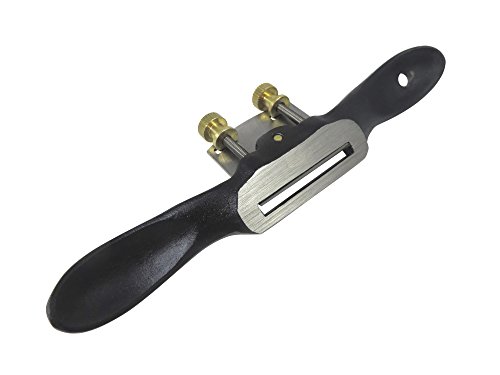
Flat bottom curved spokeshave with dual fine blade adjustment mechanism. Sole is 1” wide.
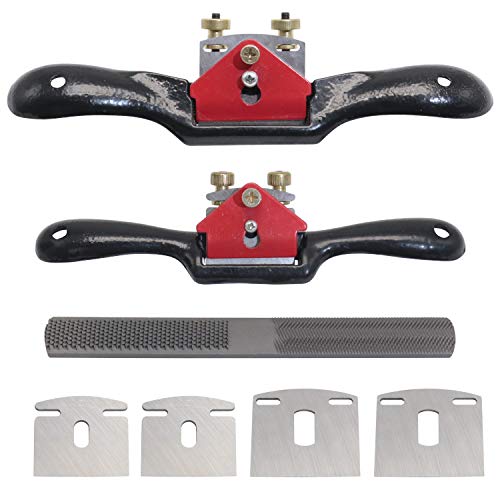
PACKAGE CONTAINS: 1X 9'' spokeshave (with 2extra blades), 1X 10'' spokeshave (with 2extra blades), 1X 4 sides file. You no need to buy the extra, save your time and money. Different sizes of spokeshave can meet your flexible requirements for work. And the 4-in-1 rasp is suitable for quick shaping or polishing of wood, plastic, plaster work-pieces, leathers etc
Frequently Asked Questions
What Is the Difference Between Flat and Round Spokeshave?
Flat spokeshave features a straight sole for smoother surfaces, while round spokeshave advantages lie in tighter curves. Choosing spokeshave types depends on our tasks; maintenance tips and techniques comparison enhance both tools’ effectiveness in woodworking.
What Is a Concave Spokeshave Used For?
A concave spokeshave’s perfect for concave surface finishing. We use it for shaping profiles and refining details in our woodworking projects. By applying spokeshave techniques and following tool maintenance tips, we achieve smooth, elegant results.
Is a Spokeshave Used for Smoothening?
Yes, we use spokeshave techniques for smoothening wood finishes. By focusing on tool maintenance and bevel sharpening, and using ergonomic design, we can achieve excellent results, transforming rough surfaces into beautifully crafted pieces.
What Is a Boggs Concave Spokeshave?
A Boggs concave spokeshave is an essential tool for curve shaping, combining ergonomic design features and ease of cutting edge maintenance. Together, we can achieve woodworking efficiencies, creating smooth, precise surfaces with confidence and control.


