As an Amazon Associate, we earn from qualifying purchases. Some links on this site are affiliate links at no extra cost to you. Our recommendations are based on thorough research and editorial judgment.


The Story Stick Method: Why Ancient Measuring Techniques Still Beat Numbers

Have you ever struggled with getting perfect measurements? The Story Stick Method might be just what you need. It’s a throwback to the way people measured things long before calculators and tape measures took over. By using a physical stick, you can connect with the story of each project and really grasp the dimensions you’re working with.
You may be interested


When you’re measuring with a stick, you can see and visualize the lengths right in front of you. It’s surprisingly easy to avoid common mistakes that folks often make when relying solely on numbers. Why is that? A stick provides a tangible reference, making it simpler to grasp the scale of what you’re creating.
This approach is especially helpful for those new to measuring, as it allows for real-time adjustments and encourages some creativity in the process.
The best part? It helps build confidence in your skills. You get a deeper sense of satisfaction as you physically engage with your project. There’s just something enriching about connecting with your craft in such a hands-on way.
So, if you’re looking to measure things differently, give the Story Stick Method a shot. You might just find it to be an engaging alternative that transforms how you approach your projects. What have you got to lose by trying something new?
Key Takeaways
- The Story Stick Method fosters a deeper connection to craftsmanship by transforming measurements into personal stories rather than mere numbers.
- Utilizing visual references through the Story Stick enhances measurement accuracy, reducing reliance on memory and minimizing errors in woodworking projects.
- This ancient technique bridges traditional practices with modern tools, improving engagement and intuitiveness in measuring lengths and dimensions.
- Each notch on a Story Stick represents significant project details, making measurements memorable and enhancing storytelling within the woodworking community.
- The Story Stick promotes adaptability during the creative process, allowing real-time adjustments and improving overall project accuracy and structural integrity.
Understanding the Story Stick Method: An Overview

When it comes to woodworking, have you ever struggled with getting precise measurements? The Story Stick method might be just what you need. This technique hails from ancient cultures, where tally sticks helped folks keep track of measurements by marking them directly on a wooden stick.
What’s great about this method is that it provides a clear visual reference for your project. You’re not just working with numbers; you’re engaging in a tradition that tells a story and connects us with past craftsmen. You get to see lengths and dimensions right in front of you, making adjustments easier and more accurate.
Here’s the trick: as you work, you can quickly adapt your measurements to fit your specific needs. It’s like having a personalized tool that helps enhance your precision on the spot. Historical evidence shows that this method has proven effective through the ages.
Additionally, combining traditional methods like the Story Stick with modern tools such as centering squares can greatly improve overall measurement accuracy and efficiency.
So, why does this matter? It’s all about connecting with your craftsmanship. When you use a Story Stick, you’re not just doing functional work; you’re weaving meaning into what you create. So, if you haven’t tried it yet, give it a shot. You might find yourself enjoying a richer woodworking experience.
How Ancient Techniques Enhance Accuracy in Woodworking

Ever found yourself struggling with precision in woodworking? Many of us rely on modern tools that promise accuracy, but sometimes, it’s the old-school methods that really shine. Take the Story Stick Method, for instance. It’s a simple yet effective way to get your measurements right. By marking dimensions directly on a wooden stick, you minimize the headaches that come from misreading numbers. It allows for real-time adjustments, so you can tweak things on the fly without any worry about making a mistake.
Now, what’s really worth noting is how this approach connects you to your materials. Picture using a flat disk to mark out circles or lengths—you’re not just measuring; you’re tapping into a more intuitive way of visualizing your project. This kind of hands-on experience helps you better understand joinery practices, often leading to a sturdier build. Frankly, when you adopt the Story Stick Method, you’re not merely woodworking; you’re forming a deeper bond with your craft.
So, when you’re planning your next project, consider stepping away from strictly numeric measurements. Here’s the trick: instead of grabbing a tape measure right away, try making a story stick. Carve out your dimensions and see how it feels. You might find that this approach not only simplifies your workflow but also enhances the quality of your work. The best part is—you’re engaging in a time-tested skill that many woodworkers still swear by today.
In short, don’t underestimate the power of ancient techniques. They can truly elevate your woodworking game. Using tools with multiple measurement modes can complement these traditional methods for even better accuracy. What methods do you use to connect more deeply with your craft?
Recommended Products

Story Sticks For Flawless, Repeatable Full-Scale Layout Marking And Measuring
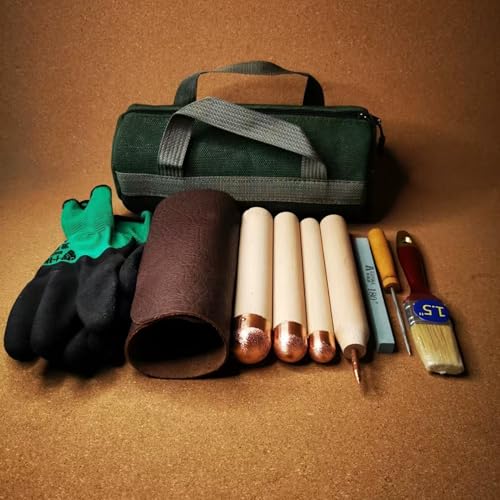
🪓 【Artisan's Essential Companion】: Crafting with obsidian demands a specialized set of tools that are as crucial as the material itself. These tools are the artisan's indispensable companions in the world of obsidian crafting.

The Benefits of Physical Measurement Tools Over Numbers

Have you ever found yourself lost in a sea of numbers while trying to measure something? It can be confusing, right? That’s where physical measurement tools, like story sticks, come into play. They offer a straightforward, visual way to tackle the task at hand without the anxiety that numbers can sometimes bring.
Using story sticks provides immediate guidance. You can see and compare shapes side by side, which definitely helps avoid mistakes. This is especially true for those who are just starting out in woodworking. It’s amazing how engaging with a simple tool can boost your understanding of dimensions and measurements. When you hold a story stick in your hands, it creates a tangible connection to what you’re working on.
Want to make your measuring more accurate? Try this: ditch the digital devices and focus on the physical tools. They don’t just minimize reliance on memory but also make measurements feel more real. When you interact directly with your materials, you often find that those hands-on experiences lead to better outcomes.
Honestly, there’s something satisfying about following a traditional method. Crafting things with your own hands gives a sense of achievement that you just can’t get from numbers alone. So, why does this matter? It transforms the way you engage with your craft.
In fact, using tools with ergonomic designs can improve comfort and precision during manual measurements, enhancing the overall woodworking experience.
In the end, going the physical route with measurement tools can enhance your woodworking experience. It’s a simple shift that might just make a big difference in your projects. Have you thought about giving it a shot?
Recommended Products

PRECISION HEIGHT MEASUREMENTS – Designed to measure horses from 10H to 18H with accuracy, this deluxe stick includes centimeter conversions for versatile use in barns, shows, and equine facilities.


Hands-free measuring
Practical Tips for Using the Story Stick Method Successfully
When it comes to using the Story Stick method, you want to maximize your efforts and avoid common pitfalls. A good tip is to not just track length measurements but also jot down specific details like cutouts and joints. This little touch can really clear things up when you’re deep into construction.
Another thing to keep in mind is the importance of accuracy. Regularly check your Story Stick against a reliable measuring tool—it can save you a lot of headaches. When you’re ready to use it, hold that stick up to your material for a visual fit. It’s a simple trick, but it makes those adjustments a breeze.
Now, if something seems off, don’t hesitate to recalibrate. It’s much easier to fix things early on rather than dealing with big mistakes later. Also, make using the Story Stick a habit in your woodworking routine—it pays off in the long run.
Honestly, this method isn’t just about measurements; it’s about figuring out what works best for you. So, how can you integrate the Story Stick method into your next project? Give it a shot—you might just find it smooths out the process!
For even better precision, consider pairing your Story Stick measurements with high-visibility vials on line levels to enhance readability during various lighting conditions.
Recommended Products
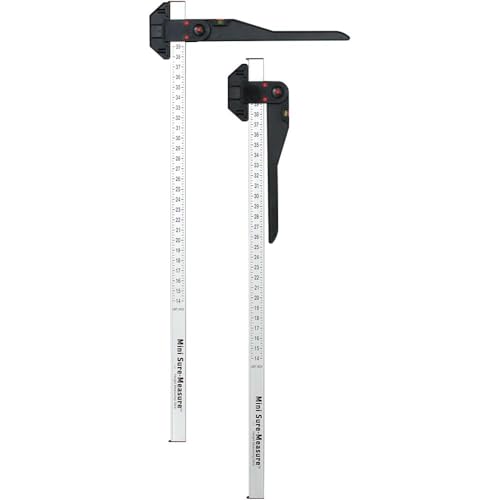
Polished aluminum

✅ MULTI PURPOSE HEIGHT MEASURING TOOL - Ideal for horses, cattle, livestock, goats, sheep, and farm animals. Great for use in barns, shows, stables, ranches, and veterinary practices. Measures in hands, inches, and centimeters.

Measures horses up to 18 hands
Why Storytelling Matters in Measurement Practices
Have you ever struggled with remembering measurements while working on your woodworking projects? You’re not alone. Tying those numbers to stories can make all the difference. The Story Stick method is a way to turn those abstract numbers into meaningful experiences. Each notch on your stick isn’t just a measurement; it’s a little slice of the journey you’re experiencing with that wood.
When you tell a story connected to a certain length, it makes everything more relatable. It’s like sharing a secret handshake with your materials. Suddenly, those numbers stick with you. You might remember that a 12-inch cut was for your buddy’s new shelf, or that 24-inch piece was for a wedding gift.
Try this: As you measure, think about what each dimension means to you. What project are you investing that length into? It helps create a personal connection that plain numbers can’t provide. The best part is, sharing these stories with others helps create a stronger woodworking community. By learning from each other’s successes and mishaps, we all grow together.
Honestly, when you view measurement through the lens of storytelling, it’s more than just numbers on a tape. You’re no longer just measuring; you’re building a narrative. So, next time you’re in your workshop, pause and think: What story does this measurement tell? It could really enrich your experience and those of your fellow woodworkers too. In the end, stories give life to our projects and help solidify our skills. What story will you tell next? Using precise tools like a woodworking awl can help translate your stories into accurate marks and holes, ensuring your narrative is reflected in your craft.
The Story Stick: a Creative Tool From Nature
Crafting a Story Stick makes connecting your measurements to woodworking projects easier and more fun. Think about it: when you have a stick with different marks for specific lengths, you get a better feel for both your materials and designs. By marking dimensions right on the wood, you can actually visualize the measurements. This hands-on method not only fuels your creativity but also helps you adapt as you work, letting the wood’s quirks guide your decisions.
Here’s the trick: using a Story Stick means you can cut down on mistakes that often come with standard numerical systems. Each mark on the stick becomes a real, tangible reference point you can see and touch. How cool is that? It transforms the way you approach your woodworking tasks, making the whole process a lot more engaging and precise.
Try marking your measurements today! Take a piece of scrap wood, grab a pencil, and start noting lengths that matter for your projects. You’ll find it’s a refreshing way to make those important dimensions stick—pun intended. For securing your workpieces while using a Story Stick, consider the benefits of a heavy duty C-clamp to ensure precise and stable measurements.
Recommended Products

Massive cast iron vise body is virtually indestructible, weighing up to 30% more than competing models


The information below is per-pack only
What Not to Do With the Story Stick Method
Using the Story Stick Method can really help with your woodworking projects, but there are a few mistakes you definitely want to steer clear of. First off, you’ve got to make sure your reference points and markings are clear. If they’re inconsistent, it could lead to a whole mess of incorrect measurements and that’s the last thing you want when you’re trying to build something nice.
Now, here’s the trick: don’t just go off what you see. It might seem tempting to rely on your eyes alone, but always double-check with other measuring tools. This extra step can save you a lot of headaches later.
Next up, keep your story stick updated. As you work, you might get new measurements. If you’re still using outdated marks, your project is at risk of falling apart—which nobody wants. To put it simply, you shouldn’t let old measurements hang around like that.
Also, pay close attention to the thickness of your materials. Miscalculating these differences can really mess things up structurally. You want everything to fit together nicely, right?
Finally, seriously consider practicing the story stick method on smaller projects before tackling the big ones. It’s a handy tool when done right, but if you dive in without much experience, it might lead to frustrating results.
Additionally, using a workbench with adjustable height features can help maintain accuracy and reduce fatigue while measuring and marking.
Community Experiences With the Story Stick Method
Have you ever struggled to get your measurements right when woodworking? You’re definitely not alone. Many woodworkers have discovered the Story Stick Method, which can really help keep those pesky measurement errors at bay. This method turns something as simple as a stick into a powerful tool that gives you a much better feel for dimensions and proportions.
Instead of relying solely on numbers, using a physical stick to mark your cuts allows for a more intuitive approach. You can see and visualize what you’re doing, making it way easier to understand how everything fits together. Plus, consistent marking is crucial for getting accurate results, and the Story Stick can really help with that.
What’s great is that there’s been a resurgence of interest in this traditional technique amongst modern crafters. It’s a neat reminder that these old-school methods can still make a big difference today. So, if you’re looking to improve your woodworking projects, why not give the Story Stick Method a try? You might find it enhances your connection to the materials and boosts your confidence in every cut you make. Unlike digital measuring tools, the Story Stick Method avoids reliance on locking mechanisms, which can sometimes limit flexibility during complex measurements.
The Cultural Significance of Ancient Measurement Practices
Have you ever stopped to think about how measurement goes beyond just numbers and rulers? It’s easy to overlook the cultural significance behind ancient practices. Take the Lebombo bone, for instance. This ancient counting tool gives us a peek into how communities have always needed ways to track things that matter to them—whether it was counting days, livestock, or even people.
Many of these early methods relied on natural elements like body parts or familiar landmarks. Can you imagine using your own arm or a nearby tree as a reference point? It really ties you to your surroundings in a way that modern measuring just doesn’t. Plus, tools like tally sticks were more than just counting aids; they became a way for communities to share their stories and preserve their history.
Think about the Egyptian cubit rod. It wasn’t just an object; it created a standard that was crucial for trade and governance. When you dive into these ancient practices, you see this incredible mix of functionality and cultural identity. Honestly, measurement has always been about more than just getting the right number. It’s about connecting with our shared past and understanding how our ancestors lived and thrived. Today, modern devices like laser levels carry forward this legacy by combining precision with versatility in measurement tools.
Bridging Past and Present: Modern Applications of the Story Stick
Have you ever struggled with getting exact measurements for your carpentry project? The Story Stick method is a refreshing way to mix traditional skills with what you need today. By marking measurements right on a stick, you create a physical guide that fits your project perfectly. It’s almost like using your fingers to measure, providing a hands-on approach. This method really helps to grasp dimensional concepts, especially when dealing with unexpected material shapes.
More and more makers are trying out this technique alongside their gadgets. If you team up the Story Stick with tools like laser levels and digital calipers, you’ve got a nice balance of accuracy and efficiency. This combo works for everyone—from beginners to experienced pros. You don’t have to choose between the old ways and the new; combining them brings fresh ideas and personal touches to your work.
So, why does this matter? It’s all about making your projects easier and more intuitive. Honestly, the connections you foster by using tactile methods can lead to deeper understanding and creativity. The best part is that you can adapt this method to fit whatever you’re working on, adding your personal flair to every piece. Incorporating the Story Stick method with precision tools like Ryoba saws can enhance accuracy and control in woodworking projects.
Recommended Products

Extendable Height: 27'; Collapsed Height: 5-1/4'
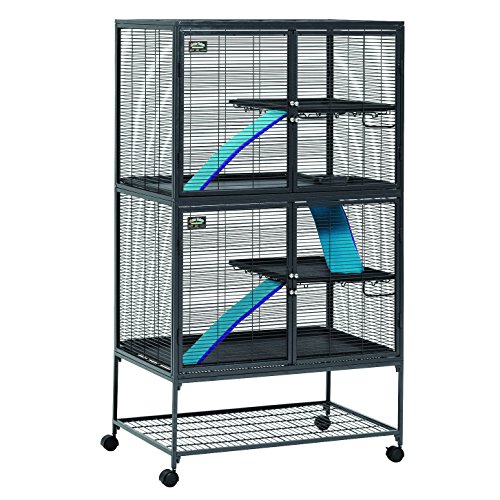
SPACIOUS 2-STORY HABITAT: Measures 36 x 24 x 63 inches with two full levels of living space. The 1/2" horizontal wire spacing safely contains rats, chinchillas, ferrets, sugar gliders and degus while allowing natural climbing behavior.

Kurt Adler Nativity Advent calendar
Frequently Asked Questions
What Are the Ancient Methods of Measuring Length?
Did you know using ancient tools like the Egyptian royal cubit or the Māori’s forearm for measurement connects us to our past? Those traditional techniques remind us how ingenuity can transcend time and culture beautifully.
What Is a Story Stick Used For?
A story stick’s used for measuring lengths and distances practically. Its advantages include enhancing accuracy in woodworking and maintaining consistent dimensions, fostering a hands-on connection with materials that numbers alone just can’t provide.
Were the Methods of Measurement in Olden Days Correct?
We believe ancient measurement methods were quite accurate within their historical context. The accuracy debate often overlooks how intuitive and practical these techniques were, tailored to the needs and environments of the cultures that used them.
What Is a Stick Measurement System?
Oh, a stick measurement system? It’s just the fanciest method of using stick lengths instead of those pesky measuring tools! We mark intervals directly, ensuring we measure accurately without all those complicated numbers getting in the way.


