As an Amazon Associate, we earn from qualifying purchases. Some links on this site are affiliate links at no extra cost to you. Our recommendations are based on thorough research and editorial judgment.


Bevel Up vs. Bevel Down: How Plane Geometry Affects Tear-out

Have you ever struggled with tear-out when working on a woodworking project? When it comes to choosing between bevel up and bevel down planes, the differences in how they handle this problem can really affect your results.
You may be interested


Bevel up planes stand out because they let you adjust the blade angle, generally featuring a bed angle of around 12°. This flexibility helps you tackle challenging wood grain with ease. On the other hand, bevel down planes come with a fixed frog angle of 45°, so they’re not as adaptable.
Keeping both types sharp is a must if you want them to perform well, though.
So, why does this matter? Well, if you frequently work with difficult woods, going for a bevel up plane might just save you a lot of headaches down the line.
Don’t forget about the blades, either! The sharpness of the blades can make a world of difference. Try to stay on top of sharpening them as part of your routine.
In conclusion, choosing the right plane can really help you manage tear-out effectively. Are you ready to find the best fit for your woodworking adventures?
Key Takeaways
- Bevel up planes feature adjustable cutting angles, effectively managing tear-out in challenging grain types compared to the fixed angles of bevel down planes.
- With a lower bed angle, bevel up planes achieve higher effective cutting angles, reducing tear-out when working with wild or end grain.
- Bevel down planes rely on chip breakers to help manage shavings, but they are less adaptable to different wood grain types affecting tear-out control.
- Regular sharpening of blades is crucial for both plane types to minimize tear-out and enhance overall cutting efficiency during woodworking tasks.
- Understanding the specific advantages of each plane geometry aids woodworkers in selecting the appropriate tool to minimize tear-out based on material and technique.
Understanding Bevel Up and Bevel Down Plane Geometry

Are you struggling to decide between bevel up and bevel down planes for your woodworking projects? Understanding the differences between these two can really make a difference in your work.
Bevel up planes hold their blade with the bevel facing up, and they usually have a bed angle of 12°. This design isn’t just for show— it allows you to easily change the blade bevel angle, which means you can adapt to various grain types without much fuss. So, if you’re dealing with tricky woods that tend to tear out, these planes can really help you out.
On the flip side, bevel down planes feature the blade facing down, typically using a frog angle that hovers around 45°. While these planes are quite reliable and effective for smoothing tasks, their cutting angle remains pretty consistent. What does this mean for you? Well, it limits their adaptability, particularly when you’re working with different wood types.
So, here’s the trick: if you know you’re tackling challenging wood, consider reaching for a bevel up plane. Their higher cutting angles help reduce tear-out, so you can achieve that smooth finish you’re after. Ultimately, choosing the right plane is about elevating your craftsmanship and completing your projects with greater ease.
Additionally, just as precision in plane geometry affects your woodworking outcome, using high-accuracy tools like professional tape measures ensures your measurements complement your craftsmanship.
To wrap it up, consider your options carefully. Which plane do you think would work best for your next project?
Recommended Products

Three high-speed steel knives provide over 16,500 cuts per minute for a superior finish

Helical cutterhead with 27 four-sided indexable carbide inserts provide a superior finish and quieter cut

Exclusive three high-speed steel auto-set quick-change knife system
The Role of Bevel Up and Bevel Down Plane Angles in Tear-out Management

Have you ever struggled with tear-out when working with wood? It can be so frustrating, especially when you’re aiming for that smooth finish. Understanding how the angles of bevel up and bevel down planes affect tear-out management can make a difference in your projects.
Bevel up planes typically have a bed angle of around 12 degrees, and their blade bevels range anywhere from 25 to 50 degrees. This setup gives them higher effective cutting angles, making them a solid choice for handling tricky woods, particularly end grain and wild grain. If you’ve ever attempted to plane difficult wood, you know how important that can be.
On the flip side, bevel down planes come with a standard frog angle of 45 degrees. While you can adjust this angle for more stability, it just doesn’t offer the same versatility in changing effective cutting angles. So, if you’re facing tear-out issues, consider which type of plane can fit your needs better.
But no matter which plane you go for, one thing is clear: sharpness is crucial. A well-honed blade can make all the difference. Want a smooth finish? Make sure your blades are up to par before diving into your project. Using a precision sharpening system can help maintain the correct bevel angle and blade sharpness for optimal cutting performance.
To wrap it up, the angle of your plane really does impact how well you manage tear-out. So next time, pay attention to those details and think about how they might help your woodworking journey. What’s your go-to method for preventing tear-out?
Recommended Products
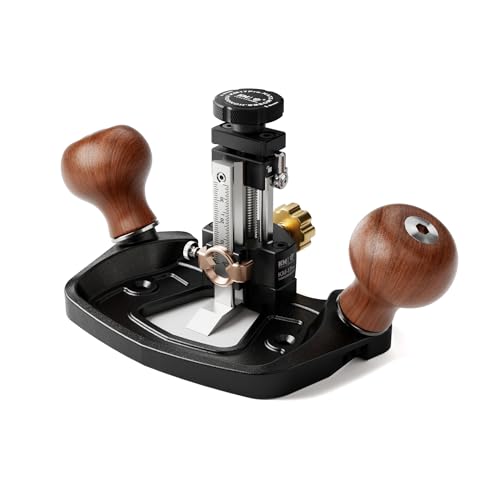
Versatile Dual-Blade Design: Engineered for serious woodworkers, The KM-17 Pro Router Plane is equipped with both a straight and a 45° blade, which can interchanged depending on specific applications(install on the handle can use as carving chisel). The blades are ½” (12.7 mm) wide at the widest point for enhanced precision.
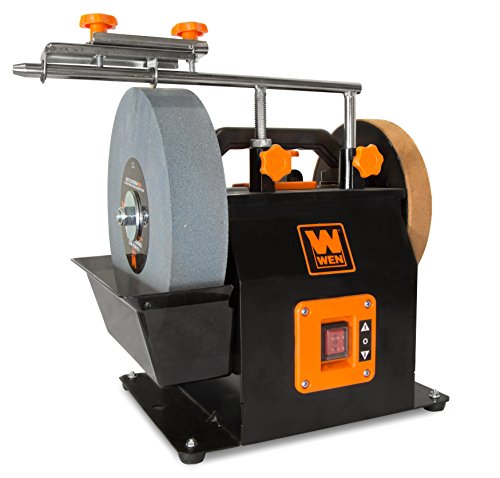
Features a 10-inch 220 grit sharpening stone and an 8-inch leather-stropping wheel

COMPLETE CHISEL SHARPENING SYSTEM: Full sharpening kit includes five diamond stones, deburring plate, leather strop and fitted storage case.
Pros and Cons of Bevel Up and Bevel Down Planes for Tear-out Control

Choosing between bevel up and bevel down planes can be a bit of a head-scratcher when it comes to controlling tear-out, but it’s really about figuring out what works best for you. Bevel up planes are pretty fantastic because they let you adjust the cutting angle. This is a big deal for those tricky end grain areas or wild grain patterns that can really trip you up. And if you use sharper blades, you can get even nicer results.
On the other hand, bevel down planes have their own perks. They come with chip breakers, which are designed to manage how chips flow while you’re smoothing. This means they can really help prevent tear-out during tasks.
Now, here’s the thing: Both types of planes rely heavily on how well you sharpen the blades. A well-honed blade can make all the difference, no matter which type you choose. So, if you’re working with different wood types or tackling specific tasks, knowing the strengths and weaknesses of each design will definitely help you manage tear-out in the best way possible.
Thinking about what you need in your shop? It’s all about finding the right fit for your work style. Are you more about versatility, or do you prefer the consistent power of chip breakers? Also, having an ergonomic workspace with adjustable height workbenches can improve your comfort and control while planing.
Recommended Products
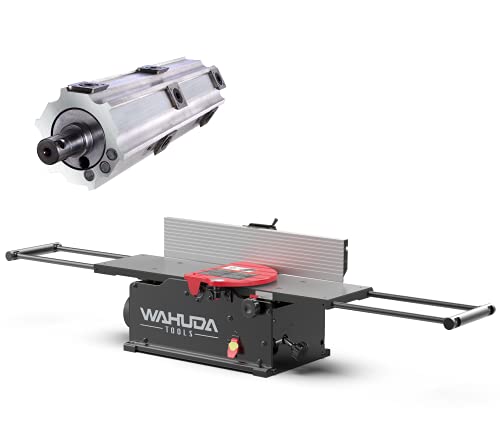
No More Cupped Woods. Create perfectly flat surfaces and edges quickly and hassle-free with the Wahuda Jointers. Experience smoother and accurate cuts even on tough or figured woods w/ Wahuda Tools.
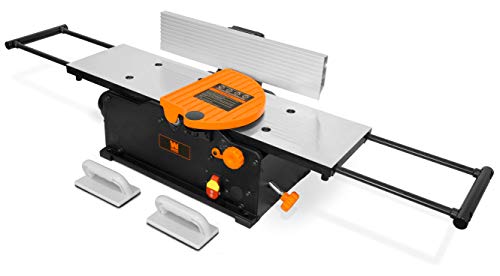
Spiral cutterhead system utilizes 16 staggered HSS blades for an ultra fine finish

Dock & Lock the included INCRA Miter Gauge in Seconds
Selecting the Right Plane for Your Woodworking Projects
Selecting the right plane for your woodworking projects can really affect how smoothly things go. Ever tried tackling those stubborn hardwoods? You might want to grab a high-angle bevel-up plane. These little wonders allow you to adjust the blade angles, which helps cut down on tear-out and makes your life a whole lot easier.
For general smoothing tasks, bevel-down planes are often the preferred choice. They typically come with effective chipbreakers that help manage the shavings you create. If you’re new to woodworking, bevel-up planes are a great option due to their simplicity and versatility. You can tackle different tasks without needing a whole arsenal of tools.
So, what should you keep in mind when choosing between bevel-up and bevel-down planes? Think about the type of wood you’ll be working with and the specific tasks ahead. Are you working on softwoods or dense hardwoods? How intricate is the detail work? Answering these questions will steer you toward the right choice and ensure you achieve the best results.
Choosing the right plane can transform your project from frustrating to a breeze. For projects involving precise clamping during planing, using Bessey parallel clamps can help hold wood securely for better results. What’s your favorite plane to work with, and how has it impacted your projects?
Recommended Products
Adjustable left and right fence and extension tables provide greater versatility and support

2-7/8" W x 22" L with 2-3/8" W blade
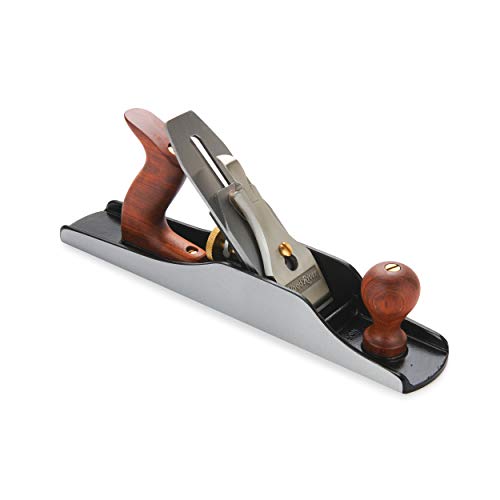
Modeled after the Bedrocks, Stanley Tool's very best line
Essential Maintenance Tips for Optimal Plane Performance
Finding the right plane for your woodworking projects is just the start. Keeping that tool in good shape is where the real magic happens. When was the last time you sharpened your blade? Regularly honing it to a sharp bevel will help you cut better and reduce tear-out, giving your wood a smoother finish.
Tuning your plane’s sole for flatness is another step that makes a huge difference. It ensures the blade meets the chipbreaker correctly, which means more effective cutting. If you’re working with different types of wood, consider adjusting the mouth opening too. A wider mouth can handle easier grain, while a tighter one is perfect for those tricky woods. It’s all about balancing the risk of tear-out with how smooth you want your cuts to be.
And don’t overlook the basics: cleaning and lubricating the moving parts. It sounds simple, but this prevents a lot of performance issues before they start. Now, here’s the tricky part—each type of wood might need a different blade sharpness or mouth setting. Stay adaptable and be willing to experiment a bit.
Using honing guides during sharpening can help maintain precise angles and prolong the blade’s sharpness between uses.
To sum it all up, some regular maintenance can keep your hand planes in top shape for years. What’s your go-to tip for keeping your tools in prime condition?
Frequently Asked Questions
What Is the Difference Between Bevel up and Bevel Down Planes?
In woodworking, the dance of bevel types reveals a duet: bevel up planes offer higher angles for tear-out prevention, while bevel down planes boast traditional stability. Our user preferences hinge on task, material compatibility, and blade design.
Should Bevel Be up or Down?
We believe the bevel should be up for improved plane performance and tear-out reduction in challenging grain directions. However, for smoothing surfaces and edge finishing, bevel down often excels, emphasizing blade sharpness and tool maintenance in woodworking efficiency.
Should a Plane Blade Be Bevel up or Down?
We believe a plane blade should be bevel-up for versatility, especially with different wood species. Proper technique, blade angle, and maintenance routine enhance tear-out reduction, ensuring a great surface finish regardless of grain direction or plane thickness.
What Are the Benefits of a Bevel up Plane?
With bevel up planes, we enjoy an ergonomic design that enhances handle comfort, while angle adjustments improve cutting efficiency. The blade longevity, maintenance ease, and wood compatibility make this a smart choice for any woodworker.


