As an Amazon Associate, we earn from qualifying purchases. Some links on this site are affiliate links at no extra cost to you. Our recommendations are based on thorough research and editorial judgment.


The Numbering System: Understanding Stanley Plane Sizes #1 Through #8

Ever find yourself staring at a project, unsure which tool to grab? It can be overwhelming, especially when it comes to picking out the right Stanley plane. Knowing their numbering system can make all the difference.
You may be interested


Stanley planes are numbered from #1 to #8 based on size and intended use. For instance, the #1 is a compact 5-1/2 inches, perfect for those detailed touch-ups. If you’re looking for something versatile, the #4 is a solid choice as an all-purpose smoother.
Got some flattening to do? The #5 jack plane does that job well. Now, if you’re tackling bigger boards, the #7 and #8 jointer planes are where you want to be. They’re designed to handle wider surfaces, making your life easier when working on larger projects.
So, why does this matter? Mastering this numbering system empowers you to choose the right tool for every task, whether it’s a small fix-up or a big job.
Here’s a trick: think about what you’ll be working on before you choose a plane. Each size has its own strengths and weaknesses, so knowing which one suits your needs can save you time and effort. Honestly, experimenting with different planes can also help you figure out what fits your style best.
In short, understanding the Stanley plane sizes gives you a clearer picture of what tools will work for you. What projects are you planning next, and which plane will you reach for?
Key Takeaways
- Stanley planes are numbered from #1 to #8, indicating their size and intended application in woodworking tasks.
- Smoothing planes (#1 to #4½) provide fine finishes; jack planes (#5 to #6) offer versatility in various tasks.
- Jointer planes (#6 to #8) are designed for flattening and jointing wide boards efficiently.
- Each plane’s size affects its effectiveness; for example, #4 is ideal for beginners, while #7 excels in long board tasks.
- Collecting rare models, like the No. 1, enhances woodworking craftsmanship and historical appreciation.
Understanding the Stanley Plane Numbering System

When you’re diving into the world of woodworking and come across the Stanley plane numbering system, it can feel a bit overwhelming at first. Each number, from #1 to #8, has its own significance, and knowing what they mean can really help you get things done right. So, why does this matter? Because using the right plane can make all the difference in your project.
Smoothing planes are numbered #1 through #4½, which makes them perfect for getting that nice, clean finish on your work. If you’re looking for something more versatile, jack planes are the way to go, with options like #5, #5½, and #6. When it comes to jointer planes, you’ll find #6, #7, and #8, which come in handy for wider applications.
Thinking about smaller planes? They excel in detail work and are great for those fine finishes you want in your projects. Honestly, if you’re just starting out, the #4 is a solid choice. It’s flexible enough to handle a lot of different tasks without being too complicated.
If you’ve got long boards to deal with, you might want to look at the #7 or #8 to tackle those efficiently. The best part is, there are also specialized planes that come with their own unique numbers and designs, tailored for more specific uses. Remember, there’s a perfect plane for every woodworking challenge.
To sum it up, knowing which Stanley plane to reach for can simplify your woodworking experience. What project do you have in mind that could benefit from the right plane? Regular maintenance, such as sharpening and cleaning, is crucial to keep your planes performing at their best.
Key Features of Each Stanley Plane Size From #1 to #8

Do you ever find yourself struggling with choosing the right tool for woodworking? It can be a real headache, especially when it comes to planes. Let’s break down the key features of each Stanley plane from #1 to #8 so you can figure out what might work best for your projects.
First up is the Stanley No. 1, and at just 5-1/2 inches, it’s perfect for detail work. But don’t expect it to handle bigger tasks; it’s more of a specialty tool. If you want something versatile, the No. 4 is a great smoother for finishing surfaces. It’s ideal for beginners who are just getting into woodworking.
Now, if you’re looking for a jack-of-all-trades, the No. 5 might be what you need. It’s 14 inches long and can handle tasks like jointing and flattening wood with ease. And then we get to the larger players—the No. 7 and No. 8 jointers. These bad boys range from 22 to 24 inches and are designed specifically for edge jointing and smoothing out long boards.
So, why does this matter? Knowing the right plane size helps you pick the best tool for detail work or bigger projects, saving you time and effort in the long run. Simply put, this numbering system reflects their intended uses, and understanding that can make a big difference. Also, using complementary tools like a 45-degree square can greatly improve the precision of your woodworking projects.
Recommended Products

2-7/8" wide x 14-15/16" long with a 2-3/8"-wide blade
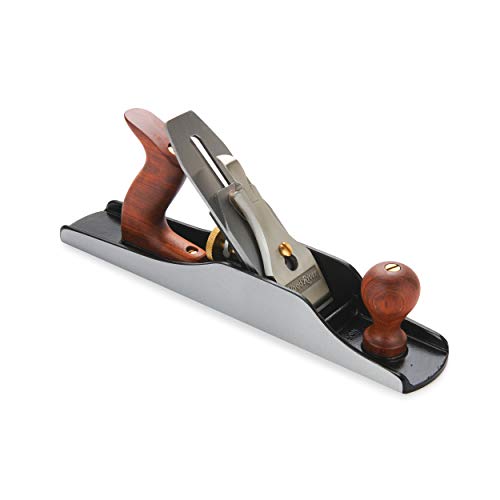
Modeled after the Bedrocks, Stanley Tool's very best line

2-7/8" wide x 10-3/8" long with a 2-3/8" wide blade
Top Uses for Bench Planes #4, #5, #6, and #7

Ever struggled to smooth out a rough surface on that beautiful hardwood piece? You’re not alone. Let’s dive into how these bench planes can make your woodworking projects a lot easier.
The #4 smoother is your go-to for that final touch. Its size makes it easy to handle, and it’s especially good for giving hardwoods a smooth finish. You’ll be amazed at how much of a difference it can make when you want a polished look.
Now, if you’re looking for a versatile tool, the #5 jack plane should be in your toolbox. At 14 inches long, it’s perfect for jointing and flattening. It’s got a bit of extra heft that helps you take care of those bigger tasks without breaking much of a sweat.
The #6 fore plane sits right in between a jack and jointer. This plane is great at removing material quickly, while still providing a smoother finish than those shorter alternatives. So, if you want efficiency without sacrificing quality, this one might be right for you.
When you’ve got larger projects in the pipeline, reach for the #7 jointer plane. At a solid 22 inches, it’s really designed for flattening and jointing wide boards. You’ll appreciate how easily it glides over the surface, making it so much easier to get everything perfectly straight.
Combining the right tools like these planes with high-quality chisels featuring hardwood handles can significantly improve your precision and comfort during woodworking.
Altogether, having these planes on hand can really amp up your precision in woodworking. The best part is, you’ll feel more confident tackling your projects! So, which of these planes are you excited to try out next?
Recommended Products

Set includes #3, #4, #5 and #6 hand planes

With machined sides, adjustable cutter, case-iron base with precision ground sides and bottom, epoxy coating and finger rest.
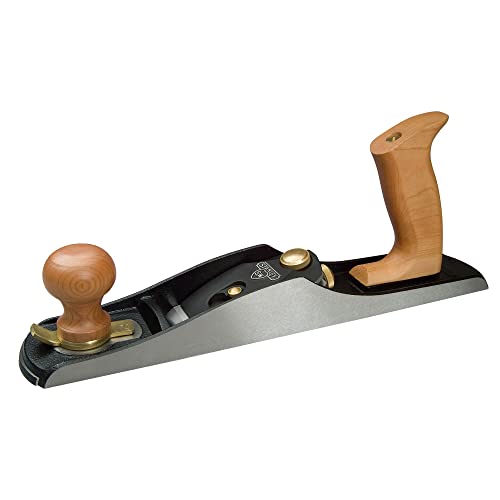
One-piece base and frog virtually eliminate chatter and increased accuracy
Why Collecting Rare Stanley Models Is Worthwhile
Have you ever wondered why some woodworking tools seem to be worth a small fortune? Collecting rare Stanley models can be quite the thrill for anyone passionate about woodworking. Take the No. 1 model, for instance. It’s not just an ordinary hand plane; it’s a historical gem that was made in limited production from 1867 to 1943. Yep, that rarity can drive up its price significantly.
Now, let’s not overlook other models like the No. 2 and No. 3. They’re not just pretty to look at; they’ve got stories to tell, too. These models mark important design advancements in woodworking. Each piece you find adds something special to your collection, revealing insights into craftsmanship and the history of tools.
Thinking about starting your own collection? Here’s a tip: focus on these unique models. Not only does it enrich your own toolbox, but it also allows you to appreciate how woodworking tools have evolved over time. And honestly, there’s nothing quite like holding a piece of history in your hands.
Collecting rare Stanley models offers more than just monetary value; it deepens your connection to the craft. Why not dive in and explore what treasures you can find? It’s a worthwhile journey that connects you to a rich tradition. For woodworking enthusiasts, understanding how precision tools like marking gauges evolved alongside hand planes enriches the appreciation of the craft.
Recommended Products

No.5 Jack Plane (2in)

Iron of the hand planer for woodworking is made from extra-thick 1/8-inch (3.18 mm) A2 steel for excellent edge retention

Professional smoothing plane
How to Choose the Right Hand Plane for Your Projects
When you’re diving into woodworking, picking the right hand plane can feel like a puzzle. You’ve got a range of Stanley sizes, and knowing which one to grab can make or break your project. What tasks are you planning to tackle? For fine details, a smoother #4 will do the trick. If you’re aiming to take off a fair amount of material, go for a jack plane #5. For the heavy lifting, longer planes like jointers #7 or #8 are must-haves.
So, why does this matter? The numbering system of these planes is there to help you sort through them. Planes #5 through #8 are your best friends when dealing with rough lumber. Don’t overlook specialized planes like block planes for those specific needs, either. Interestingly, the #6 is a great middle ground, combining features of both jack and jointer planes.
Here’s a tip: try to balance what you need with your budget. Quality hand planes can be an investment, but they’re worth it in the long run. Honestly, finding the right one for your project can transform the experience. Also, considering ergonomic handle designs can make prolonged use more comfortable and reduce fatigue.
Recommended Products

Modeled after the Bedrocks, Stanley Tool's very best line

Heavy ductile iron casting
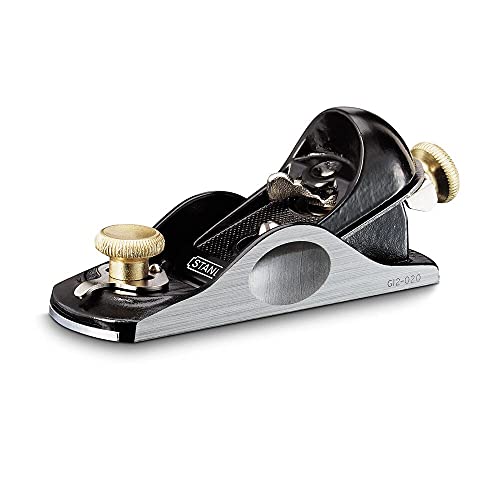
Small professional fine grey iron
Maintaining Your Hand Planes for Best Performance
Keeping your hand planes in top shape can feel like a chore, but it’s totally worth the effort. Why let a dull blade ruin that perfect woodworking project? Start with sharpening the blades to about 3500 grit. A honing guide can be your best friend here—try keeping a 30-degree angle for hardwoods and 25 degrees for softwoods.
Next, take a moment to check those lateral and depth adjusters. You want to make sure they’re working as they should. After all, even blade projection is key when it comes to achieving those consistent shavings. You wouldn’t want to be in the middle of a project and realize your plane’s not set up right, right?
Don’t forget to give the plane body a good cleaning. Using a brass brush or a soft cloth can really help clear away any debris that’s built up. A clean plane runs smoother, and it’s just more enjoyable to use.
Now, let’s talk storage because, frankly, there’s nothing worse than finding rust on your tools. Keeping your hand planes in a controlled environment can help prevent that nasty rust. A little rust prevention paper or some oil on the metal parts goes a long way in protecting your investment.
If you’re looking for more tailored advice, especially if you’re using specific models like those from Stanley, do a little research. There are loads of expert resources out there that can give you tips just for your tools.
For related metalworking processes, consider how adjustable hand reamers can help achieve precise fits and finishes in woodworking hardware and tool maintenance.
Recommended Products

The JET JWS-10 features a completely enclosed motor to keep debris and water out along with precision sharpening at variable speeds from 90 to 150 RPM. It comes with a built-in drawer for convenient jig storage.
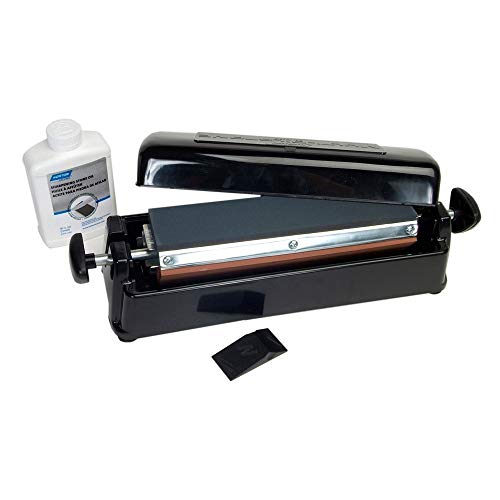
Protect your investment in quality knives with this IM313 Tool and Knife Sharpening Stone Set with 3 oil stones, including: 100 Grit Oil Stone made of Silicon Carbide for Repairing; 150 Grit Oil Stone made of Silicon Carbide for sharpening and maintaining edges and 320 Grit Oil Stone made of Aluminum Oxide for honing cutting edges

TRIPLE DIAMOND SHARPENING STONE SYSTEM: Three side-by-side diamond sharpening surfaces (300, 600 and 1200 grit) allow quick progression from edge reshaping to fine sharpening without resetting stones or changing sharpening setups.
Frequently Asked Questions
What Do the Numbers Mean on Stanley Planes?
The numbers on Stanley planes indicate size variations, helping us choose the right plane for specific tasks. By understanding historical models and comparing plane types, we can optimize performance with proper blade materials and hand positioning.
What Is a Stanley Number 1?
Think of the Stanley No. 1 as a pocket-sized wonder in woodworking! This small hand plane showcases historical craftsmanship, yet it’s got limited practical use. Collectors love it, but we should consider its quality and maintenance needs carefully.
What Is a Stanley Number 4 1 2?
The Stanley Number 4 1/2’s a versatile smoother, ideal for fine woodworking techniques. When maintaining it, we should embrace plane blade sharpening and explore vintage planes through restoration guides for a deeper understanding of historical plane evolution and size comparisons.
How Long Is a #8 Plane?
The #8 plane measures 24 inches long, highlighting its historical significance and user preferences. We’ve found that proper maintenance enhances efficiency, and it’s commonly used for jointing. Check a comparison chart for material types and vintage collecting options!


