As an Amazon Associate, we earn from qualifying purchases. Some links on this site are affiliate links at no extra cost to you. Our recommendations are based on thorough research and editorial judgment.


Scrub Planes: Converting a Cheap Plane Into a Rough Stock Removal Tool

Ever struggled with rough stock that just won’t cooperate? If you’re like many woodworkers, you know that getting rid of those gnarly surfaces can be a pain. But here’s a way to turn an inexpensive plane into a nifty scrub plane that can handle those tough jobs.
You may be interested


Start by grabbing a budget-friendly plane, like one from Kobalt, which you can usually find for around $30. Next, you’ll want to roll up your sleeves and disassemble it. Give everything a good clean—grime can really hinder performance.
After that, it’s time to camber the blade so it can take thicker shavings. This is crucial for those rough surfaces you’re dealing with. Don’t forget to widen the throat; this will really help with chip clearance as you work!
Now, let’s talk about blade angle. Adjusting it to around 30 degrees will improve durability—so don’t skip this step. Honestly, with these tweaks, you’ll be well on your way to smoother, cleaner cuts.
Once you’ve made these modifications, you’re equipped to tackle that rough stock with confidence.
So, why does this matter? Because having the right tools makes a world of difference in your woodworking project’s success.
Ready to tackle that rough wood? Just give these tips a try. Happy woodworking!
Key Takeaways
- Select a budget-friendly plane from brands like Kobalt, focusing on heavier models for better stability when converting them into scrub planes.
- Disassemble and thoroughly clean the plane before making any modifications to ensure optimal functionality after conversion.
- Camber the blade gently to achieve a curved edge for effective and aggressive material removal without risking excessive tear-out.
- Widen the mouth and adjust the bevel angle to 30 degrees for improved chip clearance and enhanced blade durability during use.
- Regular maintenance, including sharpening every few boards, is crucial for keeping the scrub plane performing at its best.
What Is a Scrub Plane and Its Purpose?

Ever find yourself staring at a pile of rough lumber, feeling overwhelmed? A scrub plane can be a real lifesaver when it comes to prepping that material for your next project. This handy tool is designed for quick stock removal, so it’s perfect for flattening and shaping those uneven pieces of wood you might have lying around.
Typically, scrub planes are about 14 inches long, and they come with a wide mouth opening. This allows for bigger shavings, which means you can get through your work more efficiently. The highly cambered iron on these planes lets you take thick shavings without needing a chipbreaker, so you can dive right into those heavy cuts. Whether you’re dealing with warped boards or twisted lumber, having a scrub plane in your toolkit can help you tackle those challenges before you move on to the finer finishing touches.
Got an old bench plane lying around? The best part is, you can convert it into a scrub plane without spending a fortune. Just a bit of tweaking can give you quality results that won’t break the bank. Additionally, using tools with ergonomic handles can greatly improve comfort and control during prolonged use of hand tools like scrub planes.
Benefits of Converting a Cheap Plane Into a Scrub Plane

Have you ever struggled with rough lumber and wished there was an easier way to deal with it? Turning a cheap plane into a scrub plane can really make your life a lot simpler. For just around $30 at places like Lowe’s or Harbor Freight, you can pick up a plane that can be transformed into something really effective for rough stock removal.
The secret to making this work is all in the modification. You’ll need to camber the iron, which means creating a curved edge. This allows the plane to take larger shavings and remove material more quickly. It’s fantastic for flattening out rough wood and prepping it for your projects.
Another trick is to widen the mouth of your new scrub plane. This upgrade improves chip clearance, enabling it to manage thicker shavings without a hitch. You can get through your wood much faster, and honestly, it feels great to have tools that are perfectly suited for the job at hand.
Not only does tackling this DIY project save you money, but it’s also a great way to learn about tool maintenance and custom adaptations. As you get your hands dirty, you’ll develop a stronger appreciation for hand tools and sharpen your skills in stock preparation. So why not give it a shot? You might surprise yourself with what you can achieve!
In the end, converting that cheap plane into a scrub plane not only enhances your toolkit but also gives you a sense of accomplishment. Have you ever thought about taking a regular tool and turning it into a versatile carpenter’s tool?
Selecting the Right Plane for Conversion

Selecting the right plane for conversion can really make or break your scrub plane project. Have you ever tried finding a good budget-friendly option without breaking the bank? Consider looking at affordable scrub planes like Kobalt, or check out what Lowe’s or Harbor Freight has to offer. If you’re open to alternatives, a standard #4 or even #3 bench plane does a solid job for this purpose.
When choosing a plane, weight and sturdiness matter. Heavier planes are usually more stable during the scrubbing process, which helps a lot. Plus, it’s crucial to pick a plane that doesn’t have significant rust or damage. Otherwise, you might find yourself in a tricky situation during the conversion. So, is it really worth the hassle? Community feedback often points to older, budget models being the ideal choices for modification. Steer clear of those valuable vintage planes—they’re better left untouched.
Additionally, selecting a tool with durable construction ensures it will withstand the rigors of stock removal over time, making durability a key factor to consider.
With the right plane, you’re all set to create a functional scrub plane that fits your needs. Give it some thought, and don’t rush the selection process. What’s your go-to tool for DIY projects?
Key Modifications for Your Scrub Plane
Before diving into the nitty-gritty of scrub plane modifications, let’s get real for a moment. Have you ever felt like your hand plane just isn’t pulling its weight? Here’s the trick: modifying it isn’t just about changing parts; it’s about precision and practicality to get your woodwork looking fantastic.
Start by cambering the blade. This means shaping the cutting edge to have a curve. Why does this matter? A curved edge allows for quicker removal of thick shavings, getting the job done faster and easier.
Next, pay attention to the throat of your hand plane. Widening it can really help improve chip clearance. Since scrub planes handle larger shavings, a wider throat means less clogging and smoother work sessions.
Now, let’s talk about the bevel angle. If your blade’s at 25 degrees, consider bumping it up to 30 degrees. This simple tweak can really boost the blade’s durability, so you’ll spend less time sharpening and more time working on your projects.
Finally, adjust the chipbreaker so it won’t get in the way when you’re making blade adjustments. What’s the best part? These modifications can take an ordinary hand plane and turn it into a reliable workhorse for rough stock removal.
Using a high-carbon steel blade can further extend the blade’s sharpness and durability during heavy use.
Recommended Products
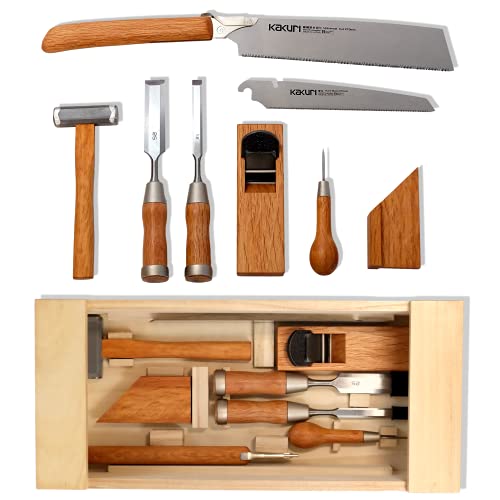
[QUALITY JAPANESE WOODWORKING TOOL SET] Discover the highest-grade Japanese carpentry tool set from KAKURI, trusted by professional artisans worldwide—from musical instrument makers to joiners, furniture craftsmen, and carpenters. This premium set comes in a traditional Japanese toolbox made of lightweight, durable paulownia wood, designed for both protection and portability.

Great garden shears for serious gardeners. This is a heavy, high quality pruning shear you’ll be proud to own or gift. These garden pruners are a classic design and feel expensive. Every gardener needs this pruner, but most gardeners don’t have one.

Includes Nokta Pointer: Conduct target-focused searches on land and underwater with our waterproof pinpointer.
Step-by-Step Guide to Converting Your Plane
Have you ever struggled with a scruffy plane that just doesn’t seem to get the job done? Let’s tackle that issue head-on by modifying your hand plane. First off, you’ll want to take it apart and give every component a good scrub with mineral spirits. It’s surprising how much gunk you can find!
Got some rust? Don’t sweat it. A citric acid solution or a wire wheel can do wonders to clean it up, making your plane look like new again. This is about making sure every part of your tool works as it should.
Next up, let’s make some changes to that blade. Consider cambering it—this means adding a curve to the edge, which is great for taking thicker shavings off your wood. A curvy blade can really help when you’re trying to remove a lot of material quickly.
Now, think about the mouth of the plane. Widening the throat can dramatically improve chip clearance, making it easier to work with larger shavings.
Once you’ve reassembled your plane, it’s time to hone that freshly shaped blade. Here’s the trick: practicing planing across the grain will help you get a feel for how your modified tool works. Honestly, you’ll be amazed at how much easier it is to tackle rough stock now!
For best results and to maintain a sharp edge, use a ceramic sharpening stone to hone the blade regularly.
Recommended Products

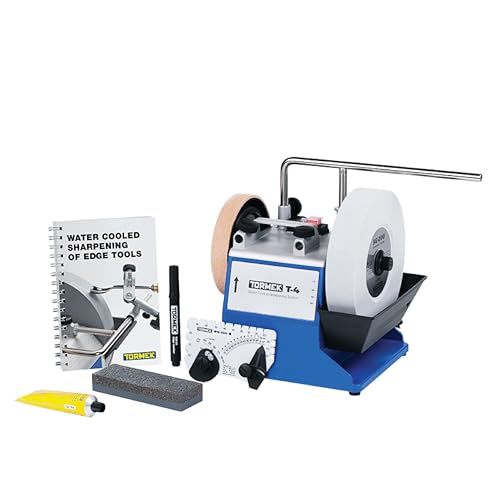

Water-Cooled Sharpening system for Wood Chisels, Plane Irons, Spoke Shaves, Carving Tools, Lathe Turning Tools, Knives, Axes, and most edge tools.
Tips for Optimizing Your Modified Scrub Plane
When it comes to getting the most out of your modified scrub plane, you might be surprised at how a few simple tweaks can really step up your game. Ever struggle with getting those thick shavings off? The trick is to create a good camber on the blade—aim for about 1/8 inch. This kind of curve lets you pull off some aggressive stock removal without the plane getting bogged down.
Have you ever faced the nuisance of clogging? Widening the throat to about 1/16 to 1/8 inch can make a big difference here. It allows chips to clear out more easily, keeping your workflow smooth and hassle-free. And don’t forget the bevel angle! Keeping it at 30 degrees on the cutting edge can give you better durability, especially when working with hard woods.
The best part is honing the blade to a 300-400 grit finish. That sharpness makes all the difference when you’re looking for precision. And when you set your depth of cut to around 1/16 inch, you’ll notice that it can really mimic the efficiency of a jack plane, but gives you that extra finesse for smoother surfaces.
In short, don’t underestimate the power of a few adjustments. Using blades made from chrome-vanadium steel can further enhance the sharpness and durability of your modified scrub plane’s cutting edge. What’s your favorite tip for optimizing tools?
How to Sharpen and Maintain Your Scrub Plane
Getting your scrub plane to work its best takes a bit more than just fine-tuning it. You’ll want to keep that blade sharp if you want to keep things moving smoothly. So, when do you know it’s time to sharpen? Typically, you should do it every few boards or if you hit any tough knots.
For a scrub plane, sticking with a grit between 300-400 is usually a smart choice since higher grits can dull pretty quickly given the rough nature of scrub planing. Also, keep an eye out for any dings or nicks on the blade—they can really mess with how well your plane works. Using a honing guide can make a big difference, too. It helps you keep the right camber, which is crucial for effective material removal.
After you’ve sharpened that blade, don’t skip testing it out on some scrap wood. That way, you can make sure the edge is ready to take on whatever projects you’ve got lined up.
So, why does all this matter? A well-maintained scrub plane can save you both time and frustration in your woodworking projects. Keeping up with the sharpness not only helps you work more efficiently, but it also ensures cleaner cuts and better results overall. Regular sharpening with proper tools is one of the essential maintenance guidelines to ensure longevity and performance.
In short, stay on top of your sharpening and maintenance. It pays off in the long run! Have you sharpened your tools today?
Recommended Products
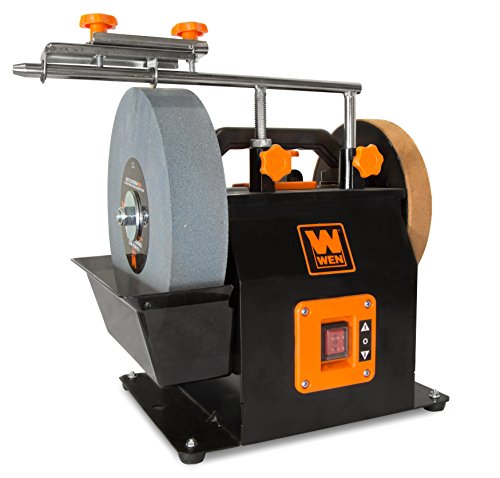
Features a 10-inch 220 grit sharpening stone and an 8-inch leather-stropping wheel

【Professional Sharpening Kit Included】 – Comes with HONGDUI precision sharpening honing guide,2 brass rollers(In use) 2 extra replacement brass rollers, 4 replace rubber ring and magnetic hex key. All accessories work seamlessly together to deliver a hassle-free sharpening process, so you can achieve pro-level sharpness on your woodworking tools every time.
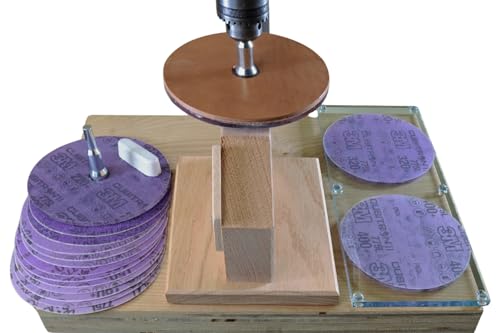
Revolutionize your sharpening process with our Drill Press Sharpening System. Say goodbye to dull chisels and inefficient sharpening methods. Engineered for precision and speed, this system is the most cost-effective solution for restoring razor-sharp edges to your woodworking tools.
Top Mistakes to Avoid When Converting Your Plane
So, you’re thinking about converting your plane? That’s exciting, but let’s chat about some common slip-ups that can really throw a wrench in your plans.
First off, you’ve got to clean and disassemble your plane completely. Seriously, leftover grime can mess with how well it performs. And when it comes to cambering the blade, don’t go overboard. A gentle curve will handle thick shavings nicely while still giving you control.
Now, let’s talk about the throat. If you’re thinking about opening it up, just be careful. An opening that’s too big can make your plane chatter, which is definitely not what you want. Adjusting the blade angle is another biggie; bumping it up from the standard 25 degrees to about 30 degrees can really enhance durability.
Then there’s the sharpening technique. This part is crucial. If the blade edge gets nicked, it’ll mess with your scrubbing efficiency. Honestly, there are plenty of commercially available products that can help you get this just right. When you nail these adjustments, you set yourself up for a fully functional scrub plane. Using a whetstone sharpening tool designed with the correct grit can ensure a clean, sharp blade edge and prolong the tool’s life.
Best Practices for Using a Scrub Plane Effectively
Have you ever looked at a rough board and thought, “How am I going to tackle that?” Using a scrub plane can be a real lifesaver if you know how to wield it correctly. It all starts with understanding what sets this tool apart from the rest.
To get the best results, aim for a consistent angle of about 45 degrees to the wood grain. This angle helps reduce tear-out, which can really mess up your surface. Plus, if you start with a highly cambered blade, you can take thicker shavings off the bat—great for making quick work of those rough edges.
Here’s the trick: don’t forget to adjust the throat opening of your scrub plane. A wider throat allows bigger chips to pass through, which makes heavy stock removal much smoother. Regularly honing your blade is another must-do. Sharp edges can make all the difference in your cut.
After you’ve done your initial planing, consider switching to a smoother or a jack plane to refine that surface. This additional step can make a world of difference before you get into the finishing touches.
Choosing tools made from high-quality steel helps maintain blade sharpness and durability, ensuring better performance during rough stock removal.
Recommended Products

Comprehensive Coverage: Cleans .22 - .45 caliber pistols ensuring thorough maintenance for various firearm types.

Camp Shower | World’s most water- and power-efficient cleaning system connects to any standard water bottle, bucket, jerry can, or wide-mouth bottle for campers, backpackers, and their gear.
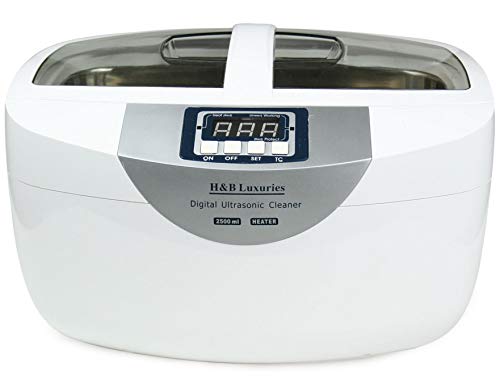
The ultrasonic cleaner with large & lengthened stainless steel tank -- Suitable for long and large items such as dental equipment and tube, gun parts and carburetor. Tank Capacity: 5.29 pints (2500 ml). Tank Size: 9.84" (L) x 5.90" (W) x 3.15" (H). 2.62" deep to max line (2100ml capacity to the Max mark). Strong plastic basket (material ABS 757) -- Better water-proof and drop-proof ability than metal.
Understanding Scrub Planes in the Context of Other Hand Planes
When you’re working with wood, especially if it’s rough and has seen better days, you might find yourself grappling with the challenge of smoothing it out. This is where the scrub plane comes in. These unique tools are built specifically for quickly taking off material. Thanks to their highly cambered iron, they can tackle thick shavings and even help flatten warped wood with ease.
Did you know that scrub planes typically measure around 14 inches long? They’re a bit shorter than some other hand planes, and their mouths are wider to accommodate those bigger shavings. This makes them perfect for the initial stages of woodworking. If you ever decide to convert a standard hand plane into a scrub plane, round that blade and widen the throat—this is crucial for aggressive stock removal.
So, what’s the real benefit of using a scrub plane? They shine at getting rid of sawmill marks and leave behind surfaces that are just waiting for smoothing planes or jack planes to do their magic. It’s all about getting your wood ready for the finer touches.
Honestly, if you’re serious about woodworking, knowing how to use scrub planes effectively can save you a lot of time and frustration. Just remember, they’re not meant for finishing work, but their role in preparing your wood is invaluable. Keep this powerful combination in mind on your next project! What’s your favorite woodworking tool?
Additionally, ensuring stability and precision while using tools like scrub planes is crucial, much like how drill press vises enhance accuracy in drilling tasks.
Frequently Asked Questions
What Is a Scrub Plane Used For?
A scrub plane’s used for quickly shaping rough boards, thanks to its cambered blade. We’ve found that mastering woodworking techniques and following plane maintenance tips enhances its benefits, allowing us to achieve smoother surfaces efficiently.
Which Hand Plane Should Be Used for Rapid Removal of Rough Sawn Boards?
When we’re tackling rough sawn boards, our hand plane options shine bright like stars in the night sky. Using effective planing techniques with a cambered blade, we transform those rough surfaces into smooth, ready-to-work wood.
What Is the Use of Katam Tool?
The katam tool’s curved blade excels in quickly shaping rough surfaces. Its comfortable grip enhances extended use, making it ideal for woodworking applications. We appreciate its ability to provide a finer finish and efficient material removal.
What Is a Carpenter’s Plane?
We can’t imagine woodworking without a carpenter’s plane, can we? It’s essential for various tasks—smoothing or shaping wood. Knowing types of planes and proper maintenance enriches our woodworking techniques, making our projects even more rewarding.


