As an Amazon Associate, we earn from qualifying purchases. Some links on this site are affiliate links at no extra cost to you. Our recommendations are based on thorough research and editorial judgment.


The Micro-Bevel: Why Adding a Secondary Bevel Saves Sharpening Time

Have you ever struggled with dull kitchen knives, spending way too much time trying to get that edge back?
You may be interested


Adding a micro-bevel to your knives might just be the solution you’ve been looking for. When you sharpen at around a 30° angle, it reinforces the cutting edge but keeps the metal loss to a minimum. This is especially helpful for harder steels, where a slightly raised angle can actually prevent chipping.
So, how does this really help in your day-to-day life? You’ll find that touch-ups are quicker, meaning you won’t have to deal with tedious sharpening sessions as often. Plus, your knives will stay dependable for a longer time. Who wouldn’t want to put in less effort for better results?
Here’s a simple trick: after your initial sharpening, focus on maintaining that micro-bevel.
This way, you’re not just sharpening; you’re preserving the knife’s integrity. When your knives require less frequent sharpening, they naturally stay in shape.
Truth is, taking the time to refine your sharpening technique can make a noticeable difference. If you’re eager to keep your blades in top condition, stick around! We’ve got more tips to help with your knife maintenance journey.
Key Takeaways
- Micro-bevels enhance edge retention, allowing for less frequent sharpenings and saving time during maintenance.
- They enable quick touch-ups without needing to rework the primary bevel, streamlining maintenance efforts.
- A micro-bevel’s elevated sharpening angle increases chip resistance, reducing the need for extensive re-sharpening sessions.
- Utilizing a micro-bevel minimizes the overall wear on primary edges, leading to prolonged knife lifespan and efficiency.
- Low-maintenance techniques like micro-beveling simplify upkeep, allowing cooks more time for food preparation rather than sharpening.
How to Create Micro-Bevels for Optimum Performance

Have you ever found yourself struggling with a dull knife in the kitchen? It’s frustrating, isn’t it? One solution that can really boost your knife game is creating micro-bevels. This little trick can enhance your knife’s performance without demanding a ton of your time or energy.
To get started, you should aim to sharpen the edge at a slightly higher angle than the primary bevel—about 30° is usually perfect for kitchen knives. This approach gives you a secondary bevel that reinforces the cutting edge. It’s not complicated, either! You can employ rotary knife sharpeners or some fine abrasives, like hard ceramics, to efficiently form that micro-bevel.
So, why is this important? Well, honing that micro-bevel with finer stones can significantly improve edge retention without taking off too much metal. This technique shines especially when working with hard steels, as it reduces the chances of chipping. Honestly, this can be a real lifesaver.
Knife makers and cooking enthusiasts will totally get this—sharpening your knife with a micro-bevel can make everyday meal prep feel like a breeze. You’ll find those pesky tasks become quicker and easier when your knife is up to the challenge!
Similarly, just like selecting the right hammer weight can make DIY tasks more efficient, choosing the right angle for your micro-bevel optimizes performance and ease of use.
Recommended Products

Ultra-Fine Ceramic Material: Made of high-alumina ceramic, providing an ultra-fine, ultra-smooth sharpening surface for precise sharpening of tools and blades.

International products have separate terms, are sold from abroad and may differ from local products, including fit, age ratings, and language of product, labeling or instructions

CERAMIC SHARPENING ROD- perfect for dull to moderately sharp knives. The ceramic surface ensures exceptional sharpening of the blade.
Key Benefits of Micro-Bevels for Knife Sharpness

Have you ever struggled to keep your knives sharp without spending hours at the sharpening stone? Micro-bevels might just be the solution you’re looking for. By placing a secondary bevel at a slightly higher angle, you can actually lessen the risk of chipping, especially when working with harder steels. This technique not only boosts edge durability but also saves you time and effort when you need a quick touch-up.
So, what’s the magic behind micro-bevels? They help maintain that fine edge on thicker blades, which often require a broader angle to keep them stable. Plus, the whole approach enhances edge retention, giving you a solid cutting edge that lasts longer. It’s like giving your knife a little extra insurance against wear.
Truth is, incorporating micro-bevels into your sharpening routine can make a world of difference. You get to refine your edge without removing too much material, preserving that sharpness for as long as possible. It’s a simple tip that may just change how you think about sharpening.
Why not give it a shot? Next time you’re working on your knives, consider adding a micro-bevel to your process. In the end, it can elevate your knife’s performance—making your cooking experience smoother and more enjoyable. Would you try this technique, or have you already?
Using a versatile sharpening system can further enhance the ease and consistency of adding micro-bevels.
Recommended Products

Precision-Engineered Performance - The Beveltech is the newest innovation in the Edge Pro lineup—featuring laser-engraved angle markings for exceptionally accurate, repeatable sharpening results. Designed for users who demand precision and control.

The JET JWS-10 features a completely enclosed motor to keep debris and water out along with precision sharpening at variable speeds from 90 to 150 RPM. It comes with a built-in drawer for convenient jig storage.
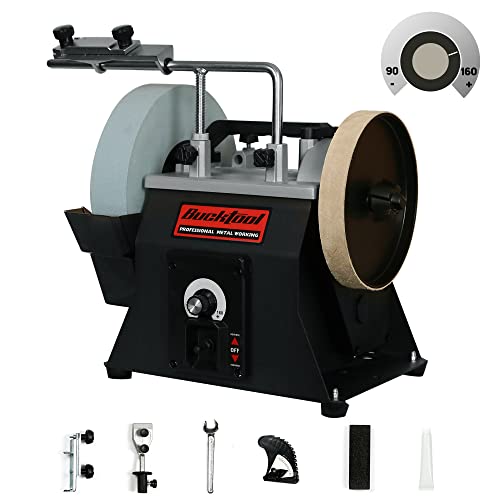
VARIABLE SPEED: Powerful 1/5 HP 1.2-amp motor, rotated with 90~160 RPM variable speed for maximum precision during sharpening, control it at your preferred speed
Choosing the Best Knife Steel for Micro-Bevels

Choosing the right knife steel for your micro-bevels can make a big difference in how your knives perform in the kitchen. Ever found yourself struggling to keep a knife sharp during heavy use? Modern powder steel high-speed steel (HSS) is a solid choice. It’s got a low chipping risk when sharpened at those gentler angles, which means you can keep your knives in top shape with less effort.
So, what’s the ideal micro-bevel angle? A round 30° is often your best bet. This gives you the durability you need to tackle tough ingredients without losing out on cutting efficiency. If you’re working with coarse carbide steels, consider adding a slight micro-bevel of just 1-2°. This tweak can really bump up edge retention, striking a balance between sharpness and stability.
Don’t overlook the hardness of the steel either. Aim for a hardness rating above 54-56 HRC. Steels with lower hardness tend to dull quickly, especially at those low angles. Frankly, nobody wants to spend all that time sharpening, only to end up with a blade that dulls in no time.
Lastly, take your time when sharpening. A well-finished bevel really impacts overall performance. Think about it—would you rather have a knife that glides smoothly through your ingredients or one that fights against you? The effort you put into sharpening pays off in the long run. Be sure to choose the right grit size when sharpening your micro-bevel to optimize the edge’s sharpness and longevity.
Recommended Products

【Application】:This grinding wheel is especially suitable for T7 and T8 grinders.

[Dual Pure Copper Motors] This fully automatic commercial meat slicer is powered by two 550W pure copper motors, boasting strong power and high speed. It can cut up to 300kg of meat per hour, which is equivalent to the daily cutting capacity of a manual semi-automatic slicer.

Upgraded Accessories: Our commercial meat slicer features an upgraded 12-inch carbon steel blade with a built-in sharpening stone to keep it sharp, making it easy to slice a variety of food textures, such as frozen meat, potatoes, ham, and bread.
The Ideal Micro-Bevel Angle for Different Types of Knives
Finding the right micro-bevel angle can make a real difference in how your knives perform in the kitchen. For most kitchen knives, aiming for a micro-bevel angle of around 30° is a solid choice. This angle offers a great balance by reinforcing the secondary edge while still keeping the blade sharp. If you’re dealing with harder steel, raising that angle by an extra 1-2° can help prevent chipping.
Japanese knives might surprise you with their micro-bevels often exceeding 45°. These are tailored for particular tasks, so they’re worth considering if you’re diving into more specialized cuts. Here’s the trick: setting your micro-bevel just slightly obtuse compared to the primary bevel can enhance edge retention and make touch-ups easier.
For those thicker knives in your collection, try reducing the angle from 20° down to 15°. This tweak can significantly boost performance without sacrificing the blade’s thin geometry. So, why does this matter? Well, experimenting with these angles lets you find the sweet spot for your cooking needs, improving not just the performance of your knives, but your overall experience in the kitchen.
Next time you grab your sharpener, keep these angles in mind. Who knows? You might find that your knives work better than ever! For optimal results, consider using a sharpening jig with adjustable angle settings to maintain precise and consistent bevels during sharpening.
Micro-Bevels vs. Step-Sharpening: What’s Best?
Have you ever struggled with dull knives and wondered what the best way to sharpen them is? You’re not alone! Many home cooks face this problem, but micro-bevels might just be the solution you’re looking for.
With micro-bevels, you can focus on honing just the secondary bevel instead of redoing the whole primary bevel. This saves time and effort. Typically, a micro-bevel angle is set 1-2 degrees more obtuse, which actually makes your knives more resistant to chips. This means less wear on those hard steel blades, making sure they stay sharp longer.
On the flip side, step-sharpening gives you distinct bevel angles, but it tends to wear down that primary edge a bit quicker. So, why does this matter to you? Simply put, micro-bevels provide a smoother gradient. This leads to better cutting performance and a longer lifespan for your knives.
Try this: Next time you’re thinking about sharpening, consider giving that micro-bevel technique a shot. You might find it’s a better balance of durability and low-maintenance. And honestly, who doesn’t want to spend less time working on knife upkeep?
In short, if you’re looking for an efficient sharpening method, micro-bevels are definitely worth considering. What will you try first in your knife care routine? Also, just as precision measurement tools improve woodworking, precise techniques like micro-beveling enhance knife maintenance efficiency.
Recommended Products
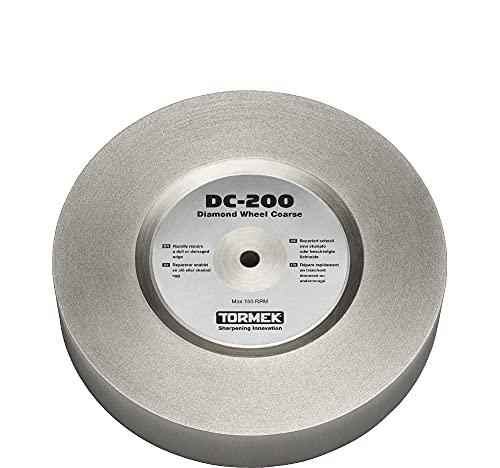
Fast steel removal for repairing or reshaping edges with a Tormek T-4, T-4 Bushcraft or T-3 machine
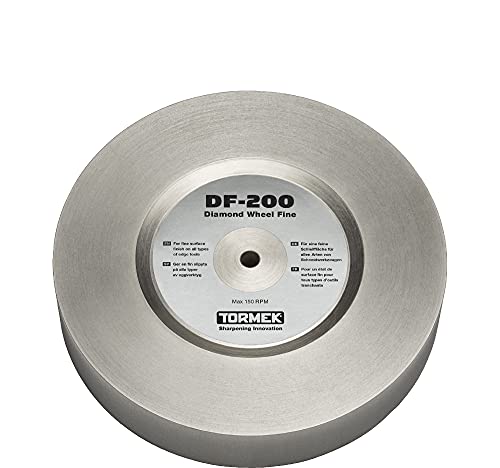
600 grit for effective steel removal combined with a smooth finish when using the Tormek T-4, T-4 Bushcraft or T-3 sharpening machines

1200 grit provides an extra smooth finish when sharpening with a Tormek T-4, T-4 Bushcraft, or T-3 sharpening machine
Essential Tools for Crafting Perfect Micro-Bevels
Crafting perfect micro-bevels can feel pretty daunting, right? You may be wondering how to get that razor-sharp edge on your knives without turning it into a huge ordeal. Honestly, it’s all about having the right tools at your side.
For those quick precision moments, rotary knife sharpeners like the K03 or Kadet Pro really shine. They let you create a secondary bevel easily, no matter what type of knife you’re working with. And let’s not forget traditional natural stones—they’re super valuable for making those fine adjustments to your cutting edge that can really make a difference.
When it comes to finishing touches, hard ceramic materials like ruby stones are fantastic. They offer both durability and help you achieve that polished edge you’re looking for. So, why does this matter? Well, adding just a slight micro-bevel—around 1 to 2 degrees—can significantly boost your edge stability, especially when you’re working with coarse carbide steels.
Using quality sharpening tools is essential; your micro-bevel’s success largely depends on the finishing abrasives you opt for. The best part is, once you get the hang of it, sharpening turns into a straightforward process. Remember, every knife deserves a little love with the right gear. Let’s get sharpening!
For woodworking and blade maintenance alike, having an ergonomic handle design can improve control and reduce fatigue during sharpening sessions.
Recommended Products

PROFESSIONAL KNIFE SHARPENING SYSTEM: A professional-level knife sharpener with metal construction that can be used for all knives at angles as low as 15 degrees and can even be used on small pen knives.
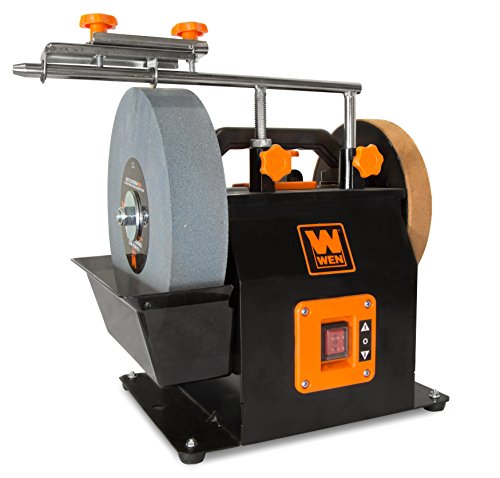
Features a 10-inch 220 grit sharpening stone and an 8-inch leather-stropping wheel

KEN ONION DESIGN: Designed and intended for edge enthusiasts who want precision, incredibly keen edges, and consistent results. Designed in partnership with knife-making legend Ken Onion.
Common Mistakes When Sharpening With Micro-Bevels
Many of us struggle with micro-bevel sharpening without even knowing it. Have you ever found yourself adding a micro-bevel and then questioning if you did it right? One big mistake is not getting the angles just right. Using the wrong angle can end up damaging the primary bevel, which isn’t what anyone wants.
Also, when you’re honing, if you’re not careful, you might remove too much metal, and that shortens your knife’s lifespan faster than you think. Don’t forget to deburr that edge after you sharpen it. Leaving burrs can mess with your cutting efficiency and lead to a subpar experience.
Here’s the trick: when sharpening, make sure you use finer grit stones instead of coarser ones. Using too rough a stone can leave you with an edge that just won’t perform the way you want. Regularly checking the micro-bevel angle is key, too; you don’t want to end up with errors adding up over time.
Frankly, staying attentive to each of these steps will help you achieve that sharp, durable edge we all strive for. It’s easier than it sounds, but it does take some practice. So, what’s your sharpening routine looking like these days? Keep in mind that consistent sharpening angles promote better cutting performance and tool longevity.
Frequently Asked Questions
What Is the Point of a Secondary Bevel?
A secondary bevel enhances our sharpening techniques, improving edge retention and simplifying tool maintenance. By adjusting sharpening angles, we optimize blade geometry, ensuring the edge stays strong and durable against wear and chipping during use.
What Is the Difference Between a Micro Bevel and a Secondary Bevel?
A micro bevel adds durability to the cutting edge with its narrow angle, while a secondary bevel focuses on ease of sharpening techniques. Together, they optimize blade geometry for quick cutting edge maintenance and enhanced performance.
What Are the Benefits of a Micro Bevel?
Micro bevel advantages include edge durability increase, sharpening time efficiency, and simplified tool maintenance. We’re also enhancing woodworking precision, allowing for better performance while extending the lifespan of our tools through this effective sharpening technique.
Is Double Bevel Better Than Single Bevel?
Yes, double bevels offer significant benefits. They enhance cutting efficiency and edge durability, make blade maintenance easier, and streamline sharpening techniques. We’ve found they truly outperform single bevels in various cutting scenarios, ensuring lasting performance.


