As an Amazon Associate, we earn from qualifying purchases. Some links on this site are affiliate links at no extra cost to you. Our recommendations are based on thorough research and editorial judgment.


Beyond the Tape: When to Use a Folding Rule vs. a Tape Measure

When you’re tackling a project that requires measuring, should you reach for a folding rule or a tape measure? It’s a good question and one that can really make a difference in your work.
You may be interested


If precision‘s your goal, especially for things like angles in carpentry or masonry, folding rules are pretty much essential. They’re rigid and give you that exact measurement you need.
But let’s not forget about tape measures! They’re fantastic for general construction because they retract quickly and are great for covering larger spaces.
Think about where you’ll be using it—are you navigating a big room or working on detailed trim? Each tool has its own advantages, and understanding when to grab which one can save you a lot of time and hassle.
So, here’s the trick: keep a folding rule on hand for when details matter. It’ll help you get those tight measurements spot on.
For everything else, especially when speed is key, a tape measure is your best friend.
Truth is, both of these tools are useful in their own right. Bringing the right one into your workflow makes your tasks smoother and more efficient.
In the end, it’s all about choosing the right tool for the task. Do you typically lean toward precision work, or are you more often caught up in larger construction tasks?
Key Takeaways
- Use a folding rule for precise measurements, especially in woodworking and detailed tasks, due to its stability and marked graduations.
- Opt for a tape measure for larger areas and quick estimates, benefiting from its lightweight design and easy retraction feature.
- Choose folding rules in tight spaces where their compact size allows for easy transport and accuracy without the complications of tape measure hooks.
- Trust tape measures for durability and high-quality materials, particularly in hazardous environments where resilience is crucial.
- Rely on personal preference and experience; beginners often adopt tools favored by mentors in their community for consistency.
Comparing Accuracy: Folding Rules vs. Tape Measures

Ever tried measuring something only to find your numbers all over the place? It’s super frustrating. When it comes down to choosing between folding rules and tape measures, a lot of people wonder which tool delivers better accuracy.
Here’s the truth: folding rules tend to be more precise. Their sturdy design means they won’t bend during use, giving you stable readings every single time. Tape measures can wear down after a while, leading to inaccuracies. With a folding rule, you can count on its solid construction to keep things right.
For smaller tasks or detailed work, folding rules are often the way to go. Using them against flat surfaces means you get a tight, secure fit, without the annoying buckling that can happen with a tape measure. Ever tried to check for squareness in woodworking? Folding rules make that job so much easier, providing reliable measurements every time, which can really make your projects stand out.
Additionally, just like a sturdy rolling miter stand supports precision cuts, the rigid structure of folding rules ensures consistent accuracy throughout your work, mimicking the importance of stability and durability in measurement tools.
Recommended Products
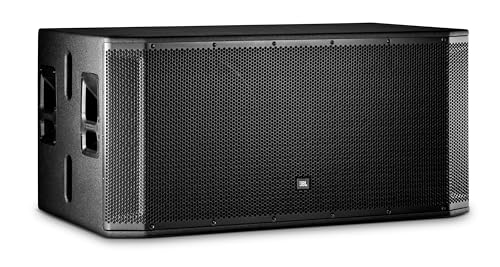
A max SPL of 141 dB, ensures music fills every corner of the venue. Frequency range of 29 Hz-150 Hz and frequency response of 35 Hz-120 Hz, deliver deep, rich bass. SRX828SP features advanced EQ capabilities with 20 parametric EQs, speaker delay, and 50 available slots for presets, allowing for precise customization. With Neutrik ¼ - XLR input and 2 Neutrik XLR outputs, plus a fully user-configurable DSP, this sub ensures seamless integration and optimal performance.

Dual walled design protects against heat distortion

OUR LOUDEST EXHAUST - Make your presence known with our loudest exhaust series. With its straight pipe-like sound they’re sure to hear you coming.
Key Advantages of Folding Rules

Have you ever struggled with a measuring tool that just doesn’t seem to cooperate? That’s where folding rules come in handy. One major perk is their precision—unlike tape measures, which can easily bend and throw off your measurements, folding rules stay nice and rigid. This means you can count on them for vertical measurements, making them a go-to for folks like masons and plumbers.
Durability is another big win with folding rules. The marked graduations are designed to resist wear and tear, so you won’t be losing accuracy over time. Plus, their compact design makes them easy to stash in your work apron or pocket, which is super helpful when you’re in tight spaces. And if you need to take inside measurements, these tools shine thanks to their slide-out extensions.
Still on the fence? Think about it this way: when you want to get accurate measurements without the fuss, folding rules have a lot to offer. Many woodworking professionals also rely on tools with ergonomic handle designs for comfort and precision.
Next time you’re in the toolbox, give folding rules a thought—they really can make a difference. What’s your go-to measuring tool?
Recommended Products

Double-Rail Design makes the rail stronger. Stronger pressure bearing capacity, no deformation, still accurate no matter how many years it is used.

Tool will bend metal up to 90 degrees
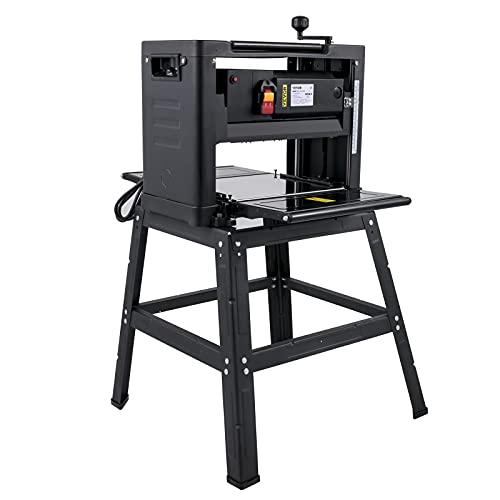
Powerful Thickness Planer: 15 AMP 1800W Motor; Blade speed: 8000rpm; Feeding speed: 236"/min (6 m/min). With 2pcs double cutter blades, this high-efficiency wood planer adopts the complicated honing process to ensure the cutting edge is sharp and straight. It is served as an essential tool and workhorse for a wide range of professional and DIY woodworking projects – specifically designed to repurpose wood (old, weathered, and worn wood) while giving it an extraordinarily smooth finish.
Why Tape Measures Are Essential for Woodworkers

For woodworkers, a tape measure is absolutely essential. Have you ever tried to complete a project only to realize you mismeasured something? It’s frustrating, right? That’s where a reliable tape measure steps in. These days, they’re built to last longer than the older models, which means less stress from accidental drops and that nice, reassuring click when you retract it.
It’s great that most of them come with clear markings in both metric and imperial units. That versatility lets you tackle all kinds of projects without second-guessing your measurements. When you’re knee-deep in a build—whether it’s a table or a chair—having a tape measure that’s easy to read makes all the difference. And the lightweight plastic casings? They’re designed so you don’t get fatigued during those long hours of work. You want to stay focused on your craft, after all.
Here’s the trick: look for models where the hook can hang over edges. This little feature allows you to measure both inside and outside dimensions effortlessly, saving you time and hassle. Honestly, who wants to struggle with getting an accurate reading? With the tape’s quick retraction, you can zip through measurements and keep your workflow smooth.
To wrap it up, a tape measure is really a must-have tool for any woodworking project. Have you thought about the last time a simple measurement saved you from a huge mistake? Keep it handy, and you’ll feel more confident tackling any project that comes your way! For enhanced durability and accuracy, consider tape measures with impact-resistant cases that withstand job site wear and tear.
Recommended Products

Durable - It is made to last with quality materials that withstand wear and pressure. It features a satin chrome finish. Graduations includes 32nds and 1/2mm on one side; 64ths and mm on reverse.

Tape Measure Displays"Es On One Side And Millimeters On The Other Side.

Verify Tape Measure Accuracy: The REEKON Accuracy Block lets you quickly check any tape measure to confirm proper hook alignment and initial print accuracy, and identify measurement errors down to 1/128 in (0.2mm)
When Should You Grab a Folding Rule?
Ever tried measuring in a spot so tight you couldn’t even fit a tape measure? That’s when a folding rule becomes your best friend. Its sturdy design gives you precise measurements where you need them. If you’re setting up cabinets or working with masonry, this wooden tool is a must for checking squareness.
Chances are, you’ve dealt with the frustration of sliding hooks on tape measures that just don’t cooperate. A folding rule dodges that problem entirely, letting you measure interior dimensions with ease. Plus, it’s compact enough to slip right into your work apron pocket, making it ideal for those quick projects on the go.
Frankly, there’s something to be said for the nostalgic feel of using a tool that’s been trusted for generations. Folding rules have been a staple in woodworking for years and are still favored by many tradespeople today. So, why does this matter? Because having the right tool for the job can make all the difference in your work.
Next time you find yourself in a cramped space, remember the folding rule. It’s a simple tool, but it can really help you out. Have you had an experience where you wished you had one on hand? Also, for ensuring your measurements are perfectly level, consider incorporating a circular bubble level alongside your folding rule for more accurate results.
Recommended Products

1/4-Inch (6mm) x 100-Feet (30m) Chrome Clad blade

✅ Rock-Solid & Built to Last:Stop wobbly space partitions! Reinforced honeycomb core + industrial-grade waterproof fabric withstands heavy use. Stays upright when bumped—no collapses! Holds its ground through endless adjustments. Outlasts chaotic homes/busy offices—engineered for decades, not seasons.

With duplex graduation
Key Use Cases for Tape Measures
Have you ever found yourself struggling to measure something in a tight spot? While folding rules are great for those situations, tape measures are my go-to for just about every measuring task. They’re super flexible and make life a lot easier, especially if you’re into woodworking or DIY projects.
When you carry a tape measure, you can just clip it onto your belt, leaving your hands free for other things. For most small projects, a six- to ten-foot tape measure usually does the trick. It’s handy to have clear markings in both metric and imperial units, so you can easily measure whatever you need. Some even come with a locking mechanism, so you don’t have to worry about the tape slipping while you’re trying to get an accurate measurement. Honestly, in the workshop or out on a job site, tape measures often beat wood rules for their practicality.
So, what makes tape measures so essential? They’re quick, easy to use, and you can grab them on the go without any hassle. You can measure, retract, and stow it away in a snap. Honestly, if you’re working on something that requires precision, a tape measure is probably the way to go. Many digital tape measures also offer measurement accuracy that reduces error margins, making them ideal for projects needing reliable results.
Recommended Products

Rugged, vinyl-covered steel case

Durable Toolkit & High Quality Tools. Assortment of necessary tools are in one tool box set, durable plastic case with internal molded compartments to keep each component protected and easily accessible. Made of high-quality steel and finished in heat treated chrome, the tools are durable and corrosion resistance.

Stanley FatMax Tape Measure 30ft. (Pack of 4)
Assessing Durability of Measuring Tools
Have you ever found yourself at a job site, struggling with a measuring tool that just can’t hold up? That’s where durability really counts. Take tape measures, for example. Modern versions are designed to take a beating—they’re made from high-quality materials that handle drops and rough treatment like a champ.
Folding rules are also sturdy, but let’s be honest, they just can’t compete when the conditions get extreme. Over time, both tools will show some wear, but tape measures are often easier and cheaper to replace. Now, one thing to consider is that folding rules don’t typically deal with bent hooks, which can really throw off the accuracy of tape measures.
So, why does this matter? If you’re working in a hazardous environment, long-term reliability is a must. Generally, you’ll find that tape measures are more dependable for rough jobs. In my experience, they tend to be the go-to option for tough situations. Additionally, materials like high carbon steel and fiberglass make certain tape measures especially durable and resistant to impact.
Benefits of Steel Rulers Alongside Tape Measures
Are you tired of struggling with measurements that just don’t seem right? If you want to improve your measuring skills, adding steel rulers to your toolkit is a smart move. Steel rulers give you that essential rigidity for those precise measurements, which is something tape measures can’t always offer. A handy 12-inch steel rule works wonders for quick woodworking tasks; it gives you clear start and stop points that can save you some headaches.
Let’s talk about durability. Steel rulers can handle tough conditions much better than folding rulers or standard tape measures. You won’t have to worry about them bending or breaking after a few uses; they can take a beating. Plus, their markings are crystal clear, making it easier to read measurements in those tricky spots.
So, why does this matter? When you combine steel rulers with tape measures, you create a way to double-check your measurements. This ensures consistency and accuracy throughout your project. The best part is, having both tools on hand can really save you time in the long run. For enhanced precision in woodworking, pairing these tools with a high-carbon steel blade ensures your cuts match your measurements perfectly.
Unique Applications of Folding Rules and Tape Measures
Have you ever found yourself struggling to measure something accurately? It can be pretty frustrating. Both folding rules and tape measures have their own strengths that can really help you nail those measurements.
For detailed work, a folding rule often comes in handy—especially when you’re dealing with tight spaces or you need to check angles in carpentry or masonry. They’re great for ensuring squareness because there’s no sliding hook to worry about, which means precision is the name of the game.
On the flip side, tape measures are perfect for general construction tasks. They’re super versatile and can handle quick, rough measurements over longer distances without breaking a sweat. The retractable feature means they’re easy to clip onto your belt, making them super accessible while you’re moving around on the job. But don’t underestimate the folding rule; in cramped areas, it might just outperform a tape measure thanks to its rigid structure. Just like choosing the right tool material, knowing when to use each measuring device ensures optimal accuracy and efficiency.
How Experience Shapes Tool Choices
Have you ever wondered why some folks swear by certain tools over others? It’s all about experience. Personal history shapes our tool choices more than we often realize. For instance, many woodworkers hold a special place in their hearts for folding rules. It’s not just about nostalgia; it’s the traditions handed down through generations. There’s something comforting about using a tool that has been part of your family’s history.
When it comes to accuracy, folding rules usually win out. They provide reliable measurements that don’t bend or twist like tape measures do. This reliability is crucial, especially if you’re striving for precision in your work. Plus, think about how most beginners pick up the habits of their mentors. If your teacher swears by a particular tool, it’s likely you’ll give it a whirl too. This cycle reinforces tool preferences within communities and helps shape what’s considered efficient in woodworking or any other craft.
Here’s the trick: look around your workshop or at the tools your friends use. What works for one person may not be what you need. The community plays a huge role too. Every craftsman brings their own stories and experiences, shaping the opinions about what’s “best.” As you interact with others and learn from them, you might find a new favorite tool or a method that fits you better.
Frankly, hands-on experiences with these tools are what guide our choices in the long run. For example, choosing tools with high precision levels can make all the difference in achieving perfect results. The next time you’re looking to buy a new tool, take a moment to reflect on what your own experiences have taught you. Are there specific tools you gravitate toward because of the memories tied to them?
In the end, it’s about finding what works for you, not what everyone else is using. What’s been your most trusted tool, and what stories does it hold?
Finding the Balance: Using Both Tools in Your Workflow
Finding the right balance between a folding rule and a tape measure can really boost your efficiency on the job. Ever find yourself fumbling through your tools, trying to decide which one to use? Here’s a tip: grab the tape measure for those larger areas or when you need a quick estimate. It’s flexible and saves you time. But when it comes to precision tasks, like checking squareness or measuring into tight spots, switch over to the folding rule. Its stiffness will keep your measurements spot on and helps a lot with those vertical checks where you don’t want any buckling.
Having both tools ready means you can adapt to whatever project you’re tackling. But here’s the trick: try to stick with one tool to keep your measurements consistent. Mixing things up can lead to confusion, and nobody wants that. Want to level up your measuring game? Consider logging in or registering for workshops that cover effective measuring techniques. This way, you’ll be armed with the knowledge of when to use one tool over the other. For enhanced precision, you might also want to explore combination squares which are designed for accurate angles and multiple measuring functions.
Frequently Asked Questions
Why Use a Folding Ruler Instead of a Tape Measure?
We’d choose a folding ruler over a tape measure any day! The folding ruler advantages, like stability for precise measurements and easy applications in tight spaces, simply make our projects easier and more enjoyable.
Why Use Folding Rule?
We love using a folding rule for its precision and stability. Its portability benefits are unbeatable—easy to carry and quick to access—making it ideal for detailed work and vertical measurements. It just feels reliable!
What Is the Difference Between a Tape Measure and a Tape Rule?
A tape measure benefits us with flexibility and speed, making quick measurements easy. Meanwhile, a folding rule features rigidity and accuracy, perfect for precise work in tight spaces. Each tool has its unique advantages we can appreciate.
Are Rulers or Tape Measures More Accurate?
When it comes to measurement reliability, we’ve found tape measures can struggle with accuracy over time. In our precision comparison, folding rules often reign supreme, offering consistent and dependable measurements we can always trust.


