As an Amazon Associate, we earn from qualifying purchases. Some links on this site are affiliate links at no extra cost to you. Our recommendations are based on thorough research and editorial judgment.


Tape Measure Mechanics: Understanding Tang Movement and Truing the Hook

Ever fumbled with your tape measure, only to find out you got the measurement all wrong? You’re not alone. Understanding tang movement and truing the hook is a big deal if you want to nail your projects.
You may be interested


First off, let’s talk about that little hook. It’s more flexible than you might think, allowing you to make small adjustments for a snug fit. If your hook is misaligned, it can lead to significant errors, which can be frustrating. A true hook is essential for getting reliable measurements, so checking it often can save you a lot of headaches.
Try measuring a few known lengths to see if it holds up. If the hook’s bent, don’t stress; you can carefully adjust it back into place.
Now, keeping your tape measure in good shape should be a priority. Simply cleaning it, storing it properly, and making sure to retract the tape fully after you’re done using it can go a long way. Honestly, it’s those little maintenance steps that ensure your tape measure lasts and works as it should.
So, why does this matter? If you’re working on something important—like building a shelf or laying out a floor—accurate measurements are everything. The best part is, with a working tape measure, you can tackle almost any project with confidence.
In short, paying attention to your tape measure’s tang movement and hook truing can make a real difference in your work’s accuracy. What’s your go-to tip for making sure you measure right?
Key Takeaways
- Tang flexibility ensures accurate measurements by accommodating internal and external fits, preventing cumulative errors over time.
- Regular checks of tang movement are essential for maintaining measurement accuracy and reliability.
- Misaligned hooks can cause significant discrepancies; regularly check and align hooks for trustworthy readings.
- Use tools like a square or level to verify hook alignment and ensure precise measurements.
- Clean, store, and maintain your tape measure properly to enhance its longevity and accuracy in measurement tasks.
Getting to Know Your Tape Measure’s Tang Movement

Have you ever ended up with a measurement that just doesn’t seem right? If you’re using a tape measure, the little tang, or hook, is super important for getting those numbers exactly right. It’s all about the tang flexibility. That little bit of give allows the hook to shift slightly—totally essential when you’re measuring edges.
When you’re measuring outside edges, that tang play compensates for its thickness, which can be around 1/16 inch. On the flip side, when you’re taking internal measurements, the hook will snug up tight against the surface, ensuring you’ve got the precision you need. So, why does this matter? Even tiny errors can stack up and lead to bigger issues down the road if you’re not careful.
Honestly, if your tape measure has a bent hook, you could be in for some nasty surprises. Take a moment to check on this movement; it can make a huge difference in how accurate your measurements are. If it’s off, don’t hesitate to adjust or replace it.
Knowing how your tape measure’s tang works can really help sharpen your skill set on any project. Next time you pull out that tape, give the hook a look before you start measuring. You got this!
Also, combining proper hook adjustment with a dual-locking system ensures that your measurements stay precise and the blade stays securely in place during use.
How Tang Movement Affects Tape Measure Accuracy

Have you ever measured something only to find out later that it didn’t fit? Getting accurate measurements can be tricky, but understanding how the tang on a tape measure works can save you a lot of headaches.
So, here’s the deal: the tang is that little metal piece at the end of the tape. It moves around, which is actually a good thing because it lets you take different types of measurements. When you’re measuring the outside of something, the tang can move slightly, allowing for its thickness. But when you’re doing an inside measurement, it should fit snugly against the surface for the best accuracy. If the tang isn’t moving freely—whether it’s stuck or damaged—you might end up with numbers that can lead to costly mistakes.
Try this: regularly check the tang of your tape measure to make sure it’s working properly. It’s a small habit that can make a huge difference. If you’re building something, crafting, or even just hanging a picture, a well-functioning tang can boost your measurement reliability.
To maintain measurement accuracy over time, it’s important to ensure the tang moves freely and is properly aligned, as this can prevent measurement errors caused by misalignment or wear.
Honestly, it’s all about those little details. So next time you pick up a tape measure, give that tang a little inspect. Are you ready to ensure your measurements are spot on?
Recommended Products

Arabella Glueless Wigs Human Hair Material: high quality Brazilian human hair, healthy and vibrant, comfortable against skin, ready to go glueless wigs human hair.

7x5 Glueless Wigs Human Hair: 100% Unprocessed Brazilian Virgin Human Hair Deep Wave Lace Front Wigs, All Hair Cut From Young Girl Head Directly. The Hair Is Soft, Natural Look, No Smell, No Shedding and No Tangle, Full and Health, Soft and Comfortable Against Skin, Can be dyed & bleached as your own hair, Smooth and Bouncy.

Burmese Curly Wig Human Hair with Spiral Curly Ends:This Burmese Curly Human Hair Wig features natural, luxurious spiral curly ends that enhance the bounce and texture of your look. Designed with unique spiral curls, this wig adds a stunning, voluminous effect that seamlessly blends with your natural hair for a more authentic and realistic appearance
Why Does Accurate Hook Truing Matter?

Accurate hook truing is one of those little details that can make a big difference when it comes to measurements. Have you ever measured something and felt like the numbers just didn’t add up? A misaligned hook can do that to you, and it can be frustrating. When you adjust your hook, every little tweak directly affects how precise your measurements will be.
Think about it: a well-trued hook ensures that your tape measure gives you trustworthy readings every single time, whether you’re measuring a small inside corner or extending it out over a large distance. If that hook’s off by just a tiny fraction—say, only 1/16 inch—it can create major discrepancies, especially on longer measurements. It’s a bit like setting the foundation for a house; if it’s not right from the start, everything else could be thrown off too.
So, what can you do to keep your hooks in check? Here are some simple tips:
- Check your hook regularly. It only takes a few moments but can save you a lot of hassle later.
- Use a square or a level to ensure the hook is aligned properly.
- Make adjustments as needed and always double-check before taking important measurements.
Maintaining the hook on your tape measure isn’t just about saving time—it’s about preventing those annoying mistakes that can derail your project. Honestly, there’s nothing worse than realizing halfway through that your measurements were off. Keep those tape measures in top shape, and you’ll notice the difference in your work.
In the end, remember that measuring accurately is essential, whether it’s for work or just a DIY project around the house. How often do you check your hook? Using tape measures with magnetic hooks can also improve accuracy by securing the tape firmly in place during measurements.
Recommended Products
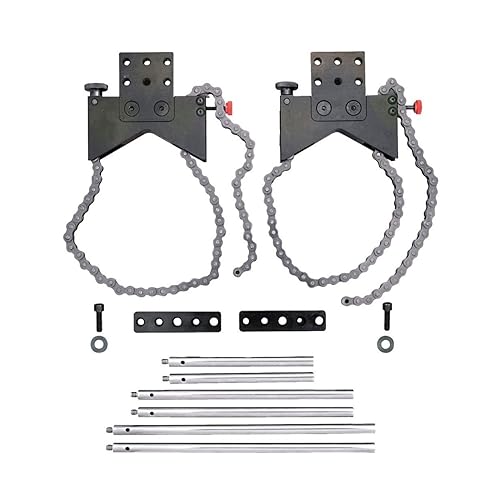
Accuracy You Can Count On - The Starrett Shaft Alignment Clamp enables quick and accurate alignment of motors, pumps, compressors, and more, saving you valuable time and effort.

5MP SUPER HD & STUNNING NIGHT VISION: Capture crystal clear videos day & night with 5MP super HD cameras. The 18pcs infrared LEDs allow you to get high-quality night vision up to 100ft, helping you to protect your property even at night. (Tip: For best results, enable "Clear" stream in settings.)

QUICK & EASY INSTALLATION - Most RVs are already prepped for the Vision S camera system, eliminating extensive drilling requirements. Installation is also quick and straightforward for non-prepped units. Not compatible with Vision S+ systems.
Truing Your Tape Measure: A Step-by-Step Guide
Getting an accurate hook is just the starting point for getting precise measurements with your tape measure. Ever find yourself in a bind, wondering why that measurement keeps coming up short? Let’s fix that!
First off, you’ll want to check the hook play. A good way to do this is by measuring something you know the exact length of. If that reading seems off, you’re going to need to make some adjustments. If the hook is bent, straighten it carefully. It’s not as daunting as it sounds.
Now, for the tang’s movement, grab some pliers and give it a little tweak. You don’t want it too loose or too tight—just enough to allow smooth movement. After each adjustment, take a moment to compare your inside and outside measurements. They should match up perfectly. If they still don’t, a replacement might be necessary. So, why does this matter? Because even tiny errors today can cause major headaches later on.
For the best accuracy, always ensure your tape measure has standardized graduation markings to help maintain precise measurements.
Recommended Products

Made to Withstand Off-Road Conditions

12-PIECE TOOL KIT for the professional

SURFACE RESISTIVITY: Resistance-to-Ground: 8 x 10e6-8 ohms & Point-to-Point Resistance: 2 x 10e6-8 ohms
Essential Tape Measure Features to Know
When you’re tackling a measuring task, have you ever thought about how the right features on your tape measure can really make a difference? You might not think about it often, but understanding the different types of tape measures can save you time and frustration. For example, some tape measures come with magnetic tips, which can be a lifesaver when you’re working alone. Others feature a locking mechanism, giving you that extra precision you might need.
Measurement units also play a role. Do you prefer imperial, metric, or both? Depending on the project, it can change how you approach your work. A handy case length printed on the back helps a lot, especially for those tricky corner measurements. And when you see Roman numerals on your tape measure, that’s actually indicating its accuracy class—a small detail that can make a big difference.
Here’s a neat trick: a flipped hook on the tape measure lets you easily measure from above. This feature means it can adapt to different scenarios, making a versatile tool in your toolkit. Truth is, knowing these essential features can transform how you measure, whether it’s a quick DIY project or a more elaborate task. The choice of locking mechanisms can also drastically impact the ease and accuracy of your measurements, with options like automatic locks, push-button locks, and slide locks enhancing usability.
Recommended Products

New and improved nylon coating on blade
New and improved nylon coating on blade

Common Tape Measure Problems and How to Fix Them
Ever been in the middle of a project and your tape measure just won’t cooperate? It’s frustrating, isn’t it? One of the more common culprits is a broken tape. When that happens, your tape might not retract properly or could even get stuck altogether. If you notice it’s damaged, it’s often best to just replace it.
Another issue to watch out for is an inaccurate measurement, which can come from a bent hook on the end of the tape. Take a moment to check that hook for any play. If it seems off, you can gently straighten it out. Remember, a hook that moves freely is crucial for accurate measurements. Also, regularly double-check your measurements against a reliable standard. It can save you from those annoying mistakes that pop up when you least expect them.
If you’re still facing problems after these fixes, it might be time to look into getting a new tape measure. You’ll want something that gives you reliable readings without fuss. Choosing a model with a durable metal case can also improve longevity and measurement accuracy.
Recommended Products

Rod measures 3/8 inch outside diameter

Combo Sewing & Embroidery Machine: Brother SE2000 5" x 7" Sewing & Embroidery Machine with Deluxe Accessory Kit Plus 40 High Quality Polyester Embroidery Threads - 500m Each, 50 Polyester Swing Thread Spools with Color Matching Bobbins, and 43 Bonus Spools of Polyester Sewing Threads
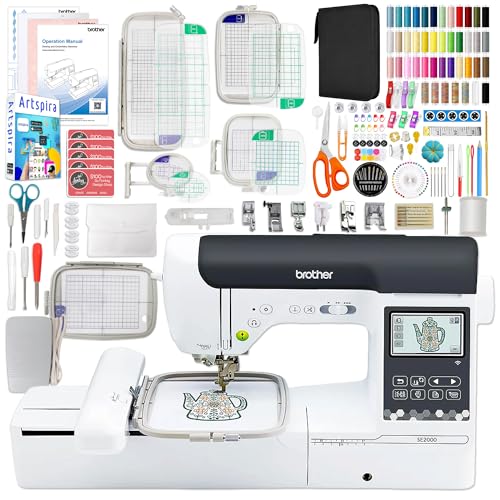
Combo Sewing & Embroidery Machine: Brother SE2000 5" x 7" Sewing & Embroidery Machine with 5pc Embroidery Hoop Set and 230+ Deluxe Accessory Kit
Tips for Maintaining Your Tape Measure for Longevity
Have you ever struggled with a tape measure that just isn’t what it used to be? It’s frustrating when the hook bends or the tape snaps right when you need it. Luckily, there are simple steps you can take to keep your tape measures in great condition for years to come.
For starters, making cleaning a regular habit can work wonders. Just wipe down the tape with a soft cloth to prevent dirt build-up. This dirt can mess with the performance, so don’t overlook it!
Now, let’s talk storage. Ideally, you want to stash your tape measure in a cool, dry spot. Extreme temperatures or moisture can wreak havoc on both the tape and locking mechanisms. So, think twice before tossing it in a damp garage or a hot car.
And here’s a neat little tip: always retract the tape fully after you’re done measuring. This practice helps keep the retraction spring in good shape and ensures it’s ready to go for the next time you need it. You wouldn’t want to pull out a tape measure that’s not ready for action, would you?
Regularly checking the accuracy and calibration of your tape measure will also help maintain reliable measurements over time.
In short, keeping your tape measure clean and stored properly can really extend its life. So, why not give these tips a shot? You might just find your measurements become a lot more reliable!
Frequently Asked Questions
How Do I Determine My Tape Measure’s Accuracy Class?
To determine our tape measurement accuracy class, we can check for Roman numerals on the back. These indicate its compliance with calibration standards, guiding us on precision levels for our projects and measurements.
Can I Use My Tape Measure Outdoors in Inclement Weather?
Yes, we can use our tape measure outdoors in inclement weather, but wet conditions may affect its durability. It’s wise to guarantee it’s designed for such environments to maintain accuracy and longevity in tough situations.
What Are the Most Common Tape Measure Sizes Available?
The most common tape measure sizes we often encounter are 25 feet and 30 feet in imperial measurements, while 5 meters and 8 meters are popular metric sizes. Both types serve diverse measuring needs effectively.
How Can I Clean My Tape Measure Safely?
Think of our tape measures as trusty ships steering through measurement seas. For safe cleaning, we can use soft cloths and mild soap, avoiding excess moisture. Regular maintenance tips can keep our vessels sailing smoothly for years.
Is It Possible to Recalibrate a Tape Measure?
Yes, we can recalibrate a tape measure using several techniques, ensuring precision. By adjusting the hook and verifying measurements against a known standard, we maintain accuracy without needing to replace the entire tool.


