As an Amazon Associate, we earn from qualifying purchases. Some links on this site are affiliate links at no extra cost to you. Our recommendations are based on thorough research and editorial judgment.


Cutting Jigs: How to Make and Use a Bench Hook for Sawing

Have you ever tried to cut wood without proper support? It can be tricky and unsafe, right? That’s where a bench hook comes in handy. Making one is simpler than you might think, and it can help you achieve better cuts while keeping your hands safe.
You may be interested


To get started, you’ll need some solid materials: grab a piece of plywood measuring 12″x8″ for your base and two 1″x1″ rods for the stops. Secure these with #8, 1″ wood screws—nothing too fancy, just a reliable setup. The best part is, once you attach everything, you’ll have a sturdy platform for sawing.
When you’re ready to use your bench hook, position the lower edge against your workbench. Place your workpiece against the upper stop. This keeps your hands well out of the way of the blade, reducing the chances of accidents. Honestly, that peace of mind is invaluable while you’re working with sharp tools.
So, why does this matter? A bench hook not only helps you make precise cuts, but it also streamlines your woodworking process. And trust me, who doesn’t want to make their workflow easier?
In summary, building a bench hook is a simple yet effective way to enhance your sawing experience. Why not give it a try? Your future projects will thank you for it!
Key Takeaways
- Construct a sturdy base using plywood or pine, complemented by square rods for stops to enhance stability during sawing.
- Ensure precise cuts by positioning the workpiece against the upper stop while using the non-dominant hand for better control.
- Extend the cut line beyond the board’s edge to provide clearance for the saw blade for clean cuts.
- Utilize multiple bench hooks for larger workpieces to evenly distribute weight and maintain stability throughout the cutting process.
- Regularly maintain the bench hook by checking for wear, cleaning debris, and storing it properly to prevent damage and warping.
Why You Need a Bench Hook: Benefits and Uses

Have you ever struggled to keep your workpiece in place while sawing? If so, you might want to consider adding a bench hook to your toolkit. This nifty little device can seriously up your woodworking game by providing the stability you need for accurate cuts.
When you position the lower hook against the edge of your workbench, your project stays put. This not only saves you from making costly mistakes but also keeps your hands safely away from the saw blade. The last thing you want is an errant slip when you’re trying to make a clean cut, right?
Here’s the trick: to keep everything running smoothly, make sure your stops are about 25mm shorter than the width of the board. It’s a simple adjustment that ensures you won’t accidentally mark your work surface while cutting.
Honestly, using a bench hook can make all the difference in achieving straight, precise cuts. You’ll find that your projects come together more efficiently, which is something every woodworker appreciates. A little investment now could save you time and frustration down the road.
For added convenience, consider pairing your bench hook with under desk sliding drawers to keep your tools organized and easily accessible.
Recommended Products

INCLUDES: (1) Portable Bench Tool Stand with Bamboo Table Top, and (4) Bench Dogs

Design for Small DIY Work: The mini bench vise is designed for small DIY work, woodwork and handcraft modifications at home. It has a maximum clamping width of 35mm(1.2") and a jaw width of 50mm(2"). It is small but strong enough to grip common items at home

Includes: 2 pieces of 8" bench hold-down clamps with a 4" reach—perfect for securing materials on your woodworking bench during cutting, planing, or sanding
Essential Materials for Your Bench Hook

Creating a sturdy bench hook can feel a bit daunting at first, but when you break it down, it’s pretty straightforward. The main thing you need to focus on is picking the right materials. To get started, grab a hardwood board—something like a 12″x8″ piece of plywood or a common 1″x12″ pine board will do just fine for the base.
Next, you’ll want to gather two 1″x1″ square rods or some 1″x2″ furring strips, about 12″ long, which will serve as the fence components. These strips are where the real action happens, so make sure they’re sturdy. Use #8, 1″ wood screws to secure everything together—trust me, these screws make a solid assembly much easier.
When you’re choosing wood for the sliding stops, go for a straight-grained hardwood. It’ll stand the test of time and keep your bench hook functioning well. Honestly, one of the best parts about building your bench hook is that you really don’t need to worry about any finishes or protective coatings. Keeping it simple is key; this way, you can focus on making precise cuts without the distraction of overcomplicated components.
So, why does this matter? When you get the design right, you’re setting yourself up for a much smoother workflow. It’s all about function over form here—your goal is accuracy, and that means prioritizing reliability in your materials and design. Using tools with accurate measurements can significantly improve your sawing precision and overall results.
Recommended Products
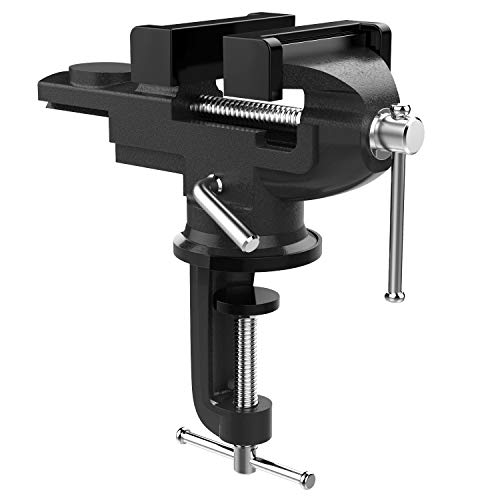
Universal Table Vise: With jaw width of 2.75 inch / 70 mm, the maximum opening of this jaw is up to 3 inch / 77.5 mm, which makes this bench clamp can fit most workbench and tables.

【Package Contents】:1 woodworking vise, 6 fixing screws, 2 hole openers, 1 hex wrench, 1 socket wrench.

This item is Pony 26545 4-1/2-Inch x 6-1/2-Inch Light Duty Woodworker's Vise
Step-by-Step Guide to Building a Bench Hook

Building a bench hook might just be one of the simplest yet most rewarding projects in your woodworking journey. Have you ever struggled to make precise cuts? A bench hook can really help with that. Let’s dive into how you can create one.
First off, think about the materials. A solid base is essential. You could go for a piece of plywood measuring around 12″x8″ or grab some 1″x12″ common pine. For the stops – which help hold your wood in place – two 1″x1″ square rods or 1″x2″ furring strips should do the trick. The key is to make sure they fit snugly while still allowing for easy sawing.
When it comes to cutting your materials, keep this in mind: your upper stop should be about 25mm shorter than the width of your board. This little adjustment goes a long way. It’s also important to secure everything well. Using #8 1″ wood screws will help keep your bench hook sturdy and reliable.
Here’s a pro tip: offset the stops toward your non-dominant hand during assembly. This simple adjustment can improve your handling and make the whole process smoother. Which brings us to customization—there’s real joy in tailoring this bench hook to exactly what you need.
In short, making a bench hook isn’t overly complicated, but it sure can boost your woodworking precision. Choosing a design that offers compatibility with workbenches ensures your bench hook integrates seamlessly into your workspace. Why not give it a shot? You might find it becomes one of your favorite tools in the shop.
Setting Up Your Bench Hook for Effective Sawing
You ever find yourself struggling to keep your workpiece steady while sawing? Setting up a bench hook can be your solution to that problem. First things first, get that lower hook to grip firmly against the workbench edge. Proper positioning is key here.
When you’re ready to align your workpiece, press it against the upper stop with your non-dominant hand. This simple setup allows gravity to help keep everything stable. And don’t forget to let that cut line extend just beyond the board’s edge; you need a little room for the blade to clear. If you’re tackling larger boards, consider using multiple bench hooks spaced out. It helps distribute the weight evenly and gives you more control. Using a stable work surface is essential to ensure precision and safety during cutting tasks.
Recommended Products

Keep your lino work steady

【PROFESSIONAL JEWELER'S ESSENTIAL】- Designed for precision and control, our high quality wood bench pin provides a stable and forgiving surface for sawing, filing, sanding, and finishing metal, wood, and resin projects. The central V-slot is perfect for securing rings and other circular items.

📐𝗣𝗿𝗲𝗺𝗶𝘂𝗺 𝗦𝗼𝗹𝗶𝗱 𝗕𝗲𝗲𝗰𝗵 𝗪𝗼𝗼𝗱 𝗖𝗼𝗻𝘀𝘁𝗿𝘂𝗰𝘁𝗶𝗼𝗻 — Crafted from high-quality, impact-resistant solid beech wood with an eco-friendly, non-toxic finish. The natural grain adds visual appeal while the wooden clamping surface protects your workpieces from scratches or damage unlike metal vises.
Mastering Sawing Techniques With Your Bench Hook
Mastering sawing techniques with your bench hook can seriously change the game when it comes to tackling your projects. You want to make sure your cuts are clean and precise, and a reliable bench hook is your best friend in achieving that.
Here’s a tip: when you’re sawing across the grain, grab a cross-cut backsaw for the best results. The angle of your saw can make all the difference, so don’t hesitate to adjust it based on the material you’re working with. It’s also crucial to position your workpiece just right. Make sure the cut line is at the edge of the board for clear blade clearance.
Using the raised stops on your bench hook is a smart move too. This keeps your material stable, meaning you won’t have to mess with additional clamps while you’re working. So, why does this matter? Stability leads to accuracy, making your cut more reliable.
As you get more comfortable sawing, it’s worth experimenting with different saw types. Each one might require slight angle adjustments, but that’s part of the fun of perfecting your technique. Truth is, there’s always room for improvement, and trying new tools can open up a whole new world of possibilities.
Choosing the right saw also involves considering factors like blade material and tooth design to enhance cutting efficiency and longevity.
Happy sawing! Have you tried any new techniques with your bench hook lately?
Applications: Planing and Chopping With Your Bench Hook
How often do you find yourself struggling to hold a workpiece steady while you’re planing or chopping? A bench hook can really make a difference here. It’s not just for sawing; it’s a handy tool that can tackle various tasks in your workshop.
For planing, one solid technique is to position your workpiece so that the full-width stop is slightly proud of the edge. This setup works wonders when you’re using a jack plane for those smoother cuts we all aim for. Plus, your bench hook can pull double duty as a shooting board. Want to square up those board ends? This makes it much easier.
Now, let’s talk about chopping. Ever tried to cut small parts while juggling clamps? Here’s the trick: use the opposing hook edge as both a stop and an edge guide. It keeps everything stable without any extra fuss. If you’re working with longer boards, consider using multiple narrow hooks to hold them down. This will greatly minimize movement, allowing you to focus on your cuts.
So, why does this matter? The bench hook is not just a one-trick pony; it proves to be a versatile tool worth having in your arsenal. When paired with adjustable sawhorses, it can create a highly stable and ergonomic workstation tailored to your project needs.
In the end, whether you’re planing or chopping, a bench hook can simplify your workflow and improve your results. What other tools do you rely on in your workshop?
Maintenance Tips for Your Bench Hook
As you dive into projects with your bench hooks, keeping them in good shape should be a top priority if you want them to last. Have you noticed wear from saw blades on the surface? It’s a common issue, and if you’ve got those worn inserts in the dovetailed housing, swapping them out is an easy fix that can give your tool a whole new lease on life.
It’s also important to keep the edges smooth. A few pieces of debris can lead to snags during a project, and nobody likes a rough start. If the primary side gets damaged, don’t stress—just flip that bench hook over and use the other side. Remember, using dense hardwoods like rosewood for the stops can really help boost durability, too.
And don’t forget about storage! Properly storing your bench hook when it’s not in use can prevent it from warping or getting damaged. Honestly, it’s the little things that make all the difference. Regular maintenance using a wire brush to clean debris and avoiding moisture can significantly extend the life of your tools and prevent rust and wear.
Frequently Asked Questions
Can I Use Any Type of Wood for a Bench Hook?
We can’t just use any wood types for a bench hook. Durable materials like hardwood guarantee stability and longevity. Plywood and common pine are also reliable bench hook materials that provide effective performance in our woodworking projects.
How Do I Choose the Right Size for My Workpiece?
When choosing the right size for our workpiece, we must consider the workpiece dimensions and material thickness. If we measure carefully, we’ll guarantee a snug fit, preventing any surprises during our sawing process.
Is There a Preferred Method for Securing My Workpiece?
When securing our workpieces, we prefer comparing clamps for stability, while exploring adhesives for added support. It’s all about finding the right balance between ease and effectiveness to enhance our woodworking experience.
Can I Modify the Design for Specialized Projects?
Absolutely, we can modify the design for specialized projects! Just think of it as shaping clay—our custom design allows for project adaptation, ensuring our bench hook meets specific needs while enhancing efficiency and accuracy.
What Are Signs That My Bench Hook Needs Replacement?
We should look for bench hook wear indicators like deep scratches, cracks, or warping. If our cuts start misaligning or the hook’s gripping strength decreases, it’s time for a replacement. Let’s maintain our tools!


