As an Amazon Associate, we earn from qualifying purchases. Some links on this site are affiliate links at no extra cost to you. Our recommendations are based on thorough research and editorial judgment.


Restoring a Vintage Disston: How to Clean and Retension a Saw Plate

Restoring a vintage Disston saw can be a rewarding project, but it often starts with a challenge: how do you bring that old beauty back to life?
You may be interested


If you’ve got surface rust on the saw plate, don’t worry. A gentle cleaning with WD-40 and a nylon pad usually does the trick. If the rust is stubborn, a little soak in white vinegar can really help out.
Once the saw plate looks better, it’s time to think about retensioning the blade. You’ll need to check for straightness and make sure the teeth are aligned properly. It’s important to use brass or nickel-plated saw nuts during this process.
Don’t go overboard tightening them up, though; you want a snug fit, not a vice grip.
Regular maintenance is key to keeping your saw in great shape. A light coat of oil every now and then will keep things running smoothly.
So, why does this matter? A bit of care can go a long way in preserving your tool for years to come.
Remember, restoring a vintage saw is as much about the process as it is about the end result.
What’s your favorite tool restoration tip?
Key Takeaways
- Start by carefully disassembling the saw, removing the tote and inspecting the saw plate for rust or damage.
- Use WD-40 to dissolve gunk and rust; let it sit for ten minutes before wiping it clean with a nylon pad.
- Perform a citric acid bath for safe rust removal, monitoring soak time to protect engravings and etchings.
- Retension the saw plate by aligning it well with the handle and using appropriate screws, avoiding overtightening to prevent warping.
- After reassembling, ensure the saw is balanced and straight; regularly hone teeth for improved cutting performance.
Understanding the Value of Vintage Disston Saws

When it comes to vintage Disston saws, have you ever thought about their true value? They’re not just tools you use in the workshop; they’re a slice of history. Saws made before the 1950s, in particular, are a testament to craftsmanship that many modern tools can’t quite match. Popular models like the Disston D-8 and D-7 can be worth a pretty penny, especially if they’re in good condition or have a unique story behind them.
One thing that really sets Disston saws apart are the unique etchings and medallions. These details not only add character but also help you date them, which is crucial if you’re into restoring vintage tools. Honestly, there’s something special about holding a tool that’s been around for decades and still cuts like a dream. They’re both practical and a little slice of nostalgia for any woodworker.
Wondering how to dive deeper into their worth? The Disstonian Institute is a fantastic resource. They’ve got loads of information that can help you appreciate and learn more about these vintage saws. Proper maintenance, including cleaning and retensioning, is key to preserving their longevity and ensuring optimal performance, much like maintaining workbench shelves effectively enhances workspace efficiency.
Essential Tools You’ll Need for Saw Restoration

Restoring a vintage Disston saw can be a bit of a challenge if you don’t have the right tools on hand. You don’t want to dive in without being equipped, right? So let’s break down what you’ll need to make this restoration go smoothly.
First off, a good saw sharpening file is a must. This tool is key for renewing the cutting edge of the saw teeth, helping you get that perfect points per inch (PPI) configuration. You want each tooth to be sharp, after all! Next, grab a sanding block along with some sandpaper starting at 220 grit. This is great for cleaning the saw plate while keeping those old etchings intact.
And let’s not overlook safety. You’re going to need some safety goggles and gloves to protect your eyes and hands while you work. Nobody wants an accident during a fun hobby! A drill with bits is super helpful for removing old screws, along with a reliable screwdriver set that allows for easy disassembly and reassembly of your saw.
Finally, don’t forget to have some multi-purpose oil or protective wax available. It’ll help preserve your freshly restored saw and keep it in great shape. So, what’s the takeaway? With the right tools, you can bring that saw back to life and enjoy restoring a piece of history. What vintage tool are you thinking about restoring next? Using a precision sharpening jig can also enhance the sharpness and lifespan of your saw’s teeth during maintenance.
Recommended Products
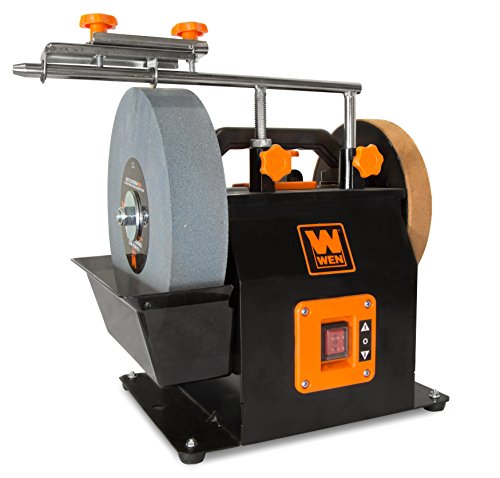
Features a 10-inch 220 grit sharpening stone and an 8-inch leather-stropping wheel

Efficient, Powerful Sharpening: Powered by a 370W strong motor running at 3590RPM high speed, this VEVOR circular saw blade sharpener grinder features a 5-inch grinding wheel to efficiently restore dull and worn blades for sharper and more precise cuts

KIT INCLUDES: 300/1000 Grit Diamond Bench Stone, Trend Lapping Fluid, Premium Leather Strop, Honing Mirror Paste, Bench Stone Pouch, Non-Slip Mat, Cleaning Block & Diamond Sharpening Solutions Guide. All in a durable storage case.
Step-by-Step Disassembly of Your Disston Saw

Let’s dig into disassembling your vintage Disston saw. Have you ever struggled to remove a handle? Start by carefully taking off the tote. You’ll need a screwdriver for this; gently unscrew the saw nuts that hold the handle to the saw plate. Just be careful – you don’t want to strip the threads or mangle the nuts.
Once the handle’s off, take a look at the saw plate for any signs of rust or pitting. If your saw has a removable back, now’s a good time to unscrew it. This makes accessing the blade much easier. Remember to snap a few photos as you go; they really help when you’re putting everything back together later.
Keeping track of all the screws and hardware is important to maintain the original look and functionality of your saw. So, why does this matter? Properly documenting your disassembly means you won’t end up with leftover parts or a handle that doesn’t quite fit when you’re done.
Truth is, taking the time to do this right pays off. After all, you’re restoring a piece of history, and it’s important to preserve its character. In short, make sure you’re careful and pay attention to detail. For precision restoration, understanding the accuracy requirements of your tools can greatly improve outcomes. What vintage treasures are you thinking of restoring next?
Recommended Products

QuickCore’s patented technology provide up to 10X FASTER CORE EJECTION through the unique open-ended design

QuickCore’s patented technology provide up to 10X FASTER CORE EJECTION through the unique open-ended design this means less time spent clearing out debris and more time getting the job done

Genuine, OEM Replacement Part
How to Clean Your Saw While Preserving Markings
Got a vintage Disston saw that’s seen better days? You probably want to clean it up without losing those important markings. Here’s some real-life advice on how to keep your saw shining while keeping its history intact.
Start by grabbing some WD-40. Spray it on and let it sit for about 10 minutes to break down any gunk. After that, gently wipe it off with a microfiber cloth. This simple step can do wonders, but watch out for those markings!
If you’re dealing with surface rust, skip the sandpaper around the etchings. Instead, try nylon scouring pads or a razor-blade scraper. They’re less risky and won’t mess up those details that make your saw special.
Thinking of using a polishing compound like Autosol? That’s a good call! Pair it with aluminum foil wads for a gentle scrub that won’t erase your saw’s etchings. It’s all about being careful while you clean.
Vinegar or citric acid baths can work too. Just remember, it’s crucial not to let the blade soak for long. Submerging it for a short time can effectively remove rust without harming those treasured markings.
Before diving into any cleaning, take a moment to assess the condition of your saw’s markings. The truth is, sometimes less is more when it comes to restoration.
For lasting results, ensure your tools are properly maintained with regular cleaning and lubrication of moving parts to prevent future rust buildup.
Recommended Products

Sufficient Pads Set: you will receive 150 pcs of red abrasive pads, and they are extremely fine 300 mesh, easy to grind; The sufficient quantity and comprehensive package of scouring pads can be applied for a long time, eliminates the need of purchasing separate ones, at the same time adapted to the industrial and domestic use

Sufficient Pads Set: you will receive 50 pcs of grey abrasive pads, and they are extremely fine 300 mesh, easy to grind. The sufficient quantity and comprehensive package of scouring pads can be applied for a long time, eliminates the need of purchasing separate ones, at the same time adapted to the industrial and domestic use

Large Size and Durable Material: large general purpose scuff pads size is 30 ft x 6 in, high performance maroon surface finish pad that provides very fine alumina abrasive cuts, performing exceptionally well on flat, curved, or hard-to-reach surfaces; Designed specifically for fine grinding and surface pre treatment
Safe Rust Removal Techniques
When you’re facing rust on your vintage Disston saws, picking the right removal method is key. You don’t want to use aggressive tools like sandpaper; they can damage those beautiful etchings that define your saw’s character. So, what’s a good alternative? Nylon scouring pads are your friend here. They offer a gentle scrub that won’t harm the surface.
For those pesky surface rust spots, try this: spray WD-40 on the affected areas and let it work its magic for about ten minutes. After that, just wipe it dry with a microfiber cloth. Easy, right? If the rust is more stubborn, consider soaking the blade in a white vinegar bath. Just keep an eye on the time to protect any markings. And don’t forget about citric acid baths—they can also do the trick, but use them with caution.
So, why does this matter? It’s all about preserving the integrity of your tools. Always double-check those markings before you get too aggressive with your cleaning methods. Apply heavier cleaning techniques only where you’re sure it’s safe.
In short, keep things gentle to maintain the beauty of your vintage saws. Have you tried any of these methods before? Or perhaps you’ve got your own secret technique? Using natural stones for gentle polishing after rust removal can help maintain a smooth, sharp edge without damaging the saw plate.
Recommended Products

TIME-SAVING PERFORMANCE: Aggressive, durable pad is an excellent choice for your heaviest cleaning, finishing and light deburring applications

Nothing-else-like-it, triple-layer-strong glass plates and bowls highly resist chips and cracks

Chip, Break, Stain and Scratch resistant for carefree durability
Polishing and Retensioning the Blade
Polishing and retensioning the blade of your vintage Disston saw can be a bit daunting, but it’s totally doable! Keeping your saw in top shape isn’t just about function; it’s about preserving that beautiful vintage look too.
To get started with polishing, grab some polishing compound like Autosol and a piece of aluminum foil. This combo works wonders for getting rid of light rust without messing up those delicate etchings on the blade. Just apply the compound, and then gently rub it with a wad of foil. You’ll be amazed at how quickly the shine comes back!
When it comes to retensioning, pay attention to the bend in your saw blade. It’s crucial to apply light bending pressure to the spine while making sure to support the blade properly. This will help you avoid any permanent damage. Remember to keep the pressure even so that the blade stays nice and straight.
And let’s not forget about protection! A light coat of multi-purpose oil will keep moisture at bay and help maintain that polished look. Honestly, a little upkeep goes a long way. Using appropriate sharpening tools like ceramic sharpening stones can further enhance the blade’s edge and longevity.
Recommended Products

PROFESSIONAL CUTTING COMPOUND: Sonax Ultimate Cut removes marks of P1000 grit or finer, including paint defects, scratches, dust inclusions, and severely scratched or oxidized paint work without damaging the clear coat

Engineered for Stainless: Designed to handle the high heat and sensitivity of stainless surfaces, this polishing cleaner kit includes pro-grade buffs and a dedicated stainless steel polishing compound for a flawless, mirror-quality finish

[ Complete Three-Step Kit ] - Includes three airway buffing wheels (Red, Pink, Soft) and matching compound bars (Black, Green, Purple) for a full polishing system.
Preserving the Tote and Hardware: Care Tips
You’ve just polished the blade of your vintage Disston saw, but what about the tote and hardware? Preserving those elements is just as important if you want to keep that classic look intact. The first step? Disassemble the saw carefully. This will help you avoid any accidental damage while cleaning.
Now, when it comes to sanding, you’ll want to take it slow. Start with 100 or 120 grit sandpaper and gradually move to finer grits. This approach helps prevent deep scratches while keeping the beautiful natural wood grain visible. After cleaning, go ahead and apply multiple coats of Watco Danish Oil to really bring out the finish and give the wood some needed protection.
And let’s not forget about the metal hardware. You don’t want to lose those original markings while cleaning, so gently polish it with a good metal polish. A little extra care here goes a long way. To keep everything looking sharp, remember to regularly apply a light coat of oil. It’ll help prevent rust and keep your saw shining bright.
For best results, consider using tools with ergonomic handle designs to maintain comfort and precision during the restoration process.
Assembling Your Restored Disston Saw
Ready to put your restored Disston saw back together? Let’s make sure every piece, from the handle to the hardware, is spotless and gleaming before we get started. A clean surface helps everything come together smoothly.
Aligning the saw plate with the handle is next on the list. Use those brass or nickel-plated saw nuts that match the original design. As you secure them, remember—don’t overtighten. You don’t want to risk warping the blade or causing issues with the tote. It’s all about finding that sweet spot for just the right tension.
After you’ve got everything put together, take a moment to check the saw plate’s tension. If it’s wonky or not straight, a gentle bend can work wonders. This part’s crucial because a straight blade leads to cleaner cuts.
And don’t skip the final steps—test it for balance and functionality. Are those teeth aligned? This will make all the difference when you’re ready to start cutting. Honestly, that’s where the magic happens, and it’s a great feeling knowing your hard work is about to pay off. So, what are you waiting for? Let’s dive into your next project with this trusty tool! Using a locking mechanism can help maintain the saw plate’s tension during storage or transport.
Using Your Restored Disston Saw Effectively
Using Your Restored Disston Saw Effectively
Have you ever struggled with making clean cuts? It can be frustrating, especially if your tools aren’t up to par. When working with your restored Disston saw, starting with a sharp blade is essential. A sharp edge isn’t just a nice touch; it gives you the ability to cut through wood smoothly without the extra muscle.
When you’re cutting, try to maintain a steady motion. A smooth, consistent pace helps prevent the blade from binding, particularly when you’re tackling thicker materials. And don’t forget about honing the teeth regularly; it not only keeps your saw performing well but also extends its life.
What type of wood are you cutting? For crosscutting, hardwood works like a charm, while softer woods are better for ripping. This approach really plays to the strengths of the saw’s design, allowing you to get the best results in your projects.
After you’re done for the day, think about how you’re storing your saw. Keeping it in a dry spot is key—hanging it up or putting it in a protective case can shield it from moisture and wear. Using tools with durable metal cases and proper maintenance can ensure a longer lifespan and better performance of your equipment.
Frequently Asked Questions
How to Straighten a Saw Plate?
To straighten a saw plate, we gently apply pressure on the bent area while supporting the opposite side. Let’s check for proper saw plate alignment and avoid excessive force to prevent permanent damage.
How to Clean an Antique Saw?
Did you know that over 70% of antique saws can still be restored? For proper saw maintenance, we should gently clean with WD-40, use a nylon pad for rust, and protect with wax after.
Can You Use WD-40 on Saw Blades?
Yes, we can definitely use WD-40 on saw blades for effective blade maintenance. It cleans grime and rust without damaging etchings. Just spray it on, let it sit, and wipe it off gently.
How to Recondition a Table Saw?
When we recondition our table saw, it’s like tuning a cherished instrument. We inspect, clean, align, and lubricate all parts for smooth operation. Regular table saw maintenance guarantees precision and longevity, keeping our projects on track.


