As an Amazon Associate, we earn from qualifying purchases. Some links on this site are affiliate links at no extra cost to you. Our recommendations are based on thorough research and editorial judgment.


Shooting Board Design: Building a Jig for Precision Miter Trimming

Are you tired of messy miter cuts ruining your projects? A shooting board could be just what you need for precision miter trimming. To get started, grab some stable upper base material—½ inch plywood or MDF works great.
You may be interested


The lower base can be made from ⅛ to ¼ inch plywood, and sizing it around 12×16 inches will give you a good working area.
Next, you’ll want to add a dense hardwood fence along the upper base. It’s important to secure the key for stability but leave the fence unglued so you can make adjustments later if needed. This flexibility is key to achieving those tight miter joints.
As you assemble your shooting board, use a tablesaw for the initial cuts and finish with a handplane to refine the edges. Make sure to check for flatness and alignment throughout the process—nobody wants to deal with uneven cuts later on.
So, why does this matter? A well-built shooting board can make your projects smoother and more enjoyable, letting you focus on the creative side instead of battling with misaligned cuts.
To wrap things up, constructing a shooting board is a practical approach to enhancing your miter trimming. Are you ready to give this a try and elevate your woodworking skills?
Key Takeaways
- Design the shooting board with a flat upper base to ensure accurate miter cuts and avoid misalignments during trimming.
- Use dense hardwood for the fence to provide stable support and enhanced durability during precision miter trimming tasks.
- Ensure the fence is adjustable and left unglued for fine-tuning alignment to achieve perfect mitered edges.
- Regularly check flatness and squareness during setup to prevent gaps in joints and maintain clean cutting results.
- Maintain a sharp plane iron to create clean shavings and prevent tear-out when trimming mitered edges on your workpieces.
Understand the Basics of a Shooting Board

A shooting board is a must-have for anyone serious about woodworking. Have you ever struggled to get clean, precise cuts on your projects? A shooting board is here to help you shave down wood right to your marking line, making your projects come out just how you envisioned.
This handy tool consists of five main parts: an upper base, a lower base, a key, a fence, and a bench hook. Setting it up correctly can ensure you get consistent results, whether you’re tackling a 90° crosscut or a 45° miter. The trick is to achieve flat surfaces on both the upper and lower bases; that’s where the magic happens.
Building a shooting board is surprisingly straightforward. You can whip one up in just an afternoon, using materials like plywood or MDF that are easy to work with. The best part? Once it’s built, you’ll wonder how you managed without it.
So, why does this matter? Having a shooting board can really elevate your woodworking. You’ll find that it helps with accuracy and makes your work more enjoyable. To ensure precise cuts, it’s helpful to use a bulls eye bubble level to verify your shooting board is perfectly level before use.
Essential Tools for Your Shooting Board Build

Building a shooting board can seem daunting, but with the right tools, it becomes a rewarding project. Ever tried to cut a perfect edge only to realize your tools make it challenging? Start with a tablesaw to get those base components cut down to size. It’s all about ensuring those edges are clean for a smooth operation down the line.
A quality combination square is a must-have! You’ll want to check the angle of your mitered face and ensure the fence is at a perfect 90° to the runway. Trust me, a minor misalignment here can throw off everything you’re trying to do. Also, don’t underestimate the value of a handplane. It’s great for refining those edges and making them just right.
And speaking of the assembly process, woodworking clamps are essential for keeping everything steady while you put it together. You’re not going to want your pieces sliding around. Wood glue is your best friend for creating a strong bond between components, but here’s the trick: consider using both CA glue and regular wood glue. This combo really helps in ensuring everything stays in place as it dries.
Finally, think about the materials. Investing in dense hardwood, like cherry or maple, means you’re building something durable that’ll last for years. It’s worth the extra effort for longevity, don’t you think? For precision measurements during your build, using a 12-inch digital caliper can greatly improve accuracy and fit.
Recommended Products

High Accuracy and Precision - Groove Calipers are excellent tools in providing accurate markings to maintain exact measurements and hardened stainless steel construction. One lithium battery for over one year of normal usage.

High Accuracy and Precision - Starrett calipers are excellent tools in providing accurate markings to maintain exact measurements from various work applications.
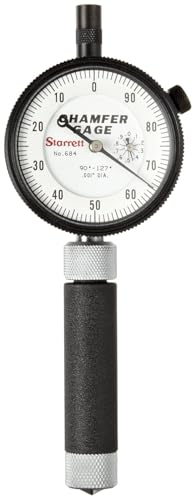
No Setting Needed - When the Three-Blade Plunger is pressed against a flat surface, the gage should read the set number stamped on the back of the indicator. This means you'll save time and hassle when taking measurements.
Build Your Shooting Board Step-by-Step

Building a shooting board might seem a bit daunting at first, but it’s really about getting that stable base right. Start off with a piece of ½ inch plywood or MDF for the upper base—this will give you the sturdiness you need. For the lower base, go with ⅛ to ¼ inch plywood and aim for a size around 12×16 inches.
Next up, you’ll want to mill a dense hardwood fence. This fence should run the full length of your upper base, giving you that solid edge to work against. It’s key to cut square grooves at 90° to the reference edge in both the upper base and the fence. Why does this matter? A snug fit is crucial for accuracy in your cuts, so double check that everything aligns perfectly.
When you attach the key to the board, make sure it’s secure, but here’s the trick: don’t glue the fence down. Leaving it unglued allows for adjustments down the track, which is super handy for keeping everything functional.
Throughout the process, keep checking for flatness. If something looks off, adjust the fence to ensure you’re squared up. Remember, every little detail counts when you’re trying to get peak performance out of your shooting board.
For this kind of precision woodworking, having accurate measurement tools like a marking gauge is essential to ensure consistent and precise results.
Using Your Shooting Board: Effective Techniques
Using your shooting board effectively means getting a good grip on that workpiece. Hold the piece against the stop block with one hand while pushing or pulling the plane with the other. This gives you better control and accuracy. It’s crucial for the plane to press firmly against the workpiece at the stop block if you want reliable mitering.
What’s worse than a messy cut? To avoid tear-out, keep the plane iron sharp and take fine shavings, especially on those outside miters where precision really matters. Check the alignment regularly. You want to ensure that cutting edge follows the miter line perfectly. Adjusting the blade depth is also key—aim for full-length shavings but avoid too much resistance.
Do these things, and you’ll nail your cuts every time. Remember, woodworking is about enjoying the process as much as the result. So, what’s your go-to trick when you’re working on miter cuts?
Also, maintaining your cutting tools with proper sharpening guides ensures precision and longevity during detailed tasks.
Recommended Products

Sharpen chisels, gouges, bowl gouges, spindle gouges, carving tools, wood turning scrapers, parting tools, block plane irons and more with the PRO GRIND Sharpening System! With 3 primary methods of sharpening, you’ll be able to precisely hone each tool to your exacting specifications regardless of the tool you are sharpening. The PRO GRIND Sharpening System includes a vast collection of unique setup tools, jigs and accessories that most sharpening systems force you to purchase separately

TRANSFORM YOUR SHARPENING EXPERIENCE - Achieve razor-sharp edges and finely finished bevels effortlessly with this lathe tool sharpener. Transform sharpening from a challenging task into a simple, repeatable process, saving you time and ensuring consistent results.

Designed to fit JET JWBS-14 Bandsaw
How to Tackle Common Shooting Board Problems?
Getting clean, precise cuts with a shooting board can feel like a real challenge sometimes, can’t it? One struggle I’ve noticed is during those first few passes; if the depth setting is off, you’re left with trenches instead of smooth cuts. And if the fence isn’t square, those gaps in your joints can really mess with the overall project.
To avoid these headaches, make sure your fence is exactly 90° to the runway. Before jumping into your main project, it’s smart to run a few test joints. This can save you from a lot of frustration down the line. And speaking of saving trouble—regular maintenance is crucial. Keeping your plane irons sharp and frequently re-squaring your fence can really tackle many of the issues you might come across.
So, why does this matter? Because by paying attention to your setup and making minor adjustments early on, you can ensure those mitered edges come out looking perfect without any gaps.
Honestly, it’s all about the little details. Keep an eye on what you’re doing, and don’t hesitate to tweak things as needed. Happy shooting!
Frequently Asked Questions
How to Make a Miter Joint Jig?
To make a miter joint jig, we should focus on precise jig assembly processes, ensuring stability and accuracy. Using precision cutting tools and miter joint techniques, we can achieve flawless joints every time.
What Is a Woodworking Shooting Board?
A woodworking shooting board’s an essential tool for precision trimming. By using various shooting board materials, we can enhance our woodworking techniques, ensuring clean, accurate cuts and seamless joins that elevate our craftsmanship to new heights.
What Tool Is Used to Cut a Mitre Joint?
We understand miter saws are our go-to for creating those precise bevel cuts, ensuring flawless joint alignment. Picture us crafting beautiful frames, each corner fitting together perfectly, thanks to these essential tools that make our projects shine.
How to Miter Two Pieces of Wood Together?
To miter two pieces of wood together, we should explore miter joint advantages, utilize precise miter cut techniques, and adjust miter angles carefully for perfect alignment, ensuring our projects look professional and fit seamlessly.


